
The paradigm shift toward a decentralized healthcare model is currently redefining the boundaries between clinical facilities and patient living spaces through the pervasive application of the Internet of Things. Modern medicine is no longer confined to the four walls of a hospital or the periodic check-up in a physician’s office; instead, it is evolving into a continuous, data-rich ecosystem where patient status is monitored in real time. This “Connected Healthcare” framework utilizes an array of medical-grade sensors and advanced communication protocols to ensure that physiological data flows seamlessly from the individual to the care provider. By transforming connectivity from a technical convenience into a fundamental clinical requirement, the industry is managing to close the massive gaps that once existed between discrete medical appointments. This persistent stream of information allows for a much more nuanced understanding of patient health, effectively turning the vast amounts of raw data into a narrative that clinicians can use to make more informed and timely decisions.
This transition toward a data-driven model fundamentally changes the objective of medical care from treating acute symptoms to managing long-term health outcomes through proactive intervention. Traditionally, the healthcare system functioned on a reactive basis, where patients sought help only after symptoms became unmanageable or life-threatening. The current integration of connected devices allows for a longitudinal view of a person’s well-being, providing a baseline of health that makes even the slightest deviations instantly recognizable. When a heart rate fluctuates or blood glucose levels spike unexpectedly, the system triggers an alert long before the patient might feel any physical discomfort. This shift toward preventative and predictive management is not merely an improvement in efficiency; it represents a philosophical change in how society approaches longevity and wellness. By focusing on the continuous care environment, providers are successfully reducing the burden on emergency services while simultaneously improving the quality of life for millions of individuals living with chronic conditions.
The Technical Architecture of Medical Connectivity
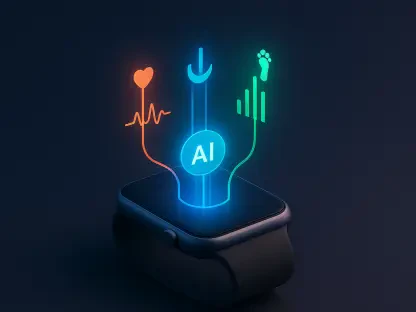
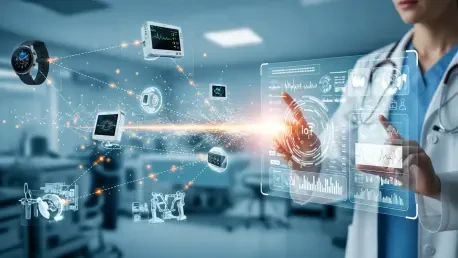
The foundational infrastructure of this medical revolution is built upon a sophisticated, multi-layered architecture that begins at the sensing layer. This layer consists of high-precision hardware, ranging from non-invasive wearables that track sleep patterns and activity levels to specialized implantable devices that monitor cardiac rhythms or distribute insulin. These devices are increasingly equipped with embedded intelligence, allowing for “edge computing” where data is processed locally on the device itself. By filtering out background noise and performing initial analysis at the source, these systems reduce the sheer volume of information that needs to be transmitted, which in turn preserves battery life and ensures that only relevant, actionable data reaches the clinician. This local processing capability is crucial in high-stakes medical environments where immediate feedback can be the difference between a routine adjustment and a medical emergency, providing a level of responsiveness that was previously impossible.
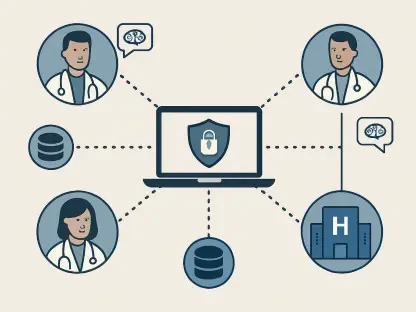
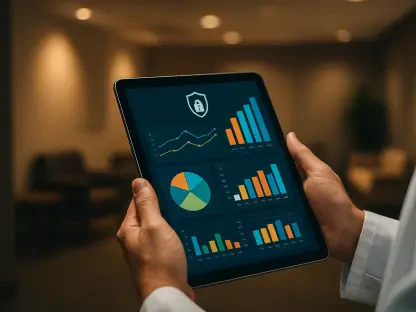
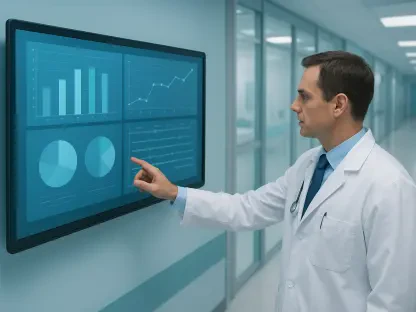
Once the data is refined at the edge, it moves through a robust transmission layer that utilizes a variety of specialized network protocols designed for reliability and low power consumption. Depending on the specific use case, these systems may rely on short-range communication like Bluetooth Low Energy for personal health devices or wide-area technologies like LTE-M and NB-IoT for remote monitoring across vast distances. This connectivity ensures that data remains secure and consistent as it travels to centralized cloud platforms. In these cloud environments, sophisticated algorithms aggregate information from multiple sources, integrating it directly into Electronic Health Records. This high-level orchestration allows healthcare systems to automate administrative workflows and provide medical staff with comprehensive dashboards. Consequently, the transition from raw physiological signals to clear, clinical insights becomes an automated process that supports the decision-making of doctors, nurses, and specialists without adding unnecessary complexity to their daily routines.
Bridging Systems with Standardization and Security
A persistent challenge in the evolution of connected healthcare has been the lack of interoperability between different hardware manufacturers and software platforms. Historically, medical device companies operated within closed ecosystems, utilizing proprietary data formats that created “data silos” where information from a glucose monitor could not easily be compared with data from a cardiac sensor. To address this fragmentation, the industry has widely adopted global communication standards such as Fast Healthcare Interoperability Resources and Health Level Seven. These frameworks provide a universal language that allows disparate machines to communicate effectively, ensuring that data flows freely between different parts of the medical infrastructure. This standardization is vital for creating a holistic view of the patient, as it allows a hospital’s central management software to ingest and interpret data from a wide variety of third-party devices, regardless of the brand or the specific technology used for data capture.
As the volume of sensitive medical data transmitted across networks continues to grow, the security and privacy of this information have become paramount concerns for providers and regulators alike. Because health records are highly valuable on the black market and represent the most private aspects of an individual’s life, connected healthcare systems must employ rigorous end-to-end encryption and multi-factor device authentication. These security measures are not just about protecting privacy; they are about maintaining the integrity of the medical data itself. If a data stream were to be intercepted or tampered with, the resulting clinical decisions could be based on false information, leading to potentially dangerous outcomes for the patient. Therefore, robust cybersecurity protocols are integrated into the very fabric of the IoT architecture, ensuring that every piece of information is verified and protected from the moment of acquisition to the point of final clinical review. This commitment to security builds the necessary trust for both patients and clinicians to fully embrace the benefits of a connected medical environment.
Expanding the Scope of Care Delivery
Remote Patient Monitoring has emerged as the most transformative application of these connected technologies, fundamentally changing the landscape for those living with chronic diseases. By utilizing connected scales, blood pressure cuffs, and pulse oximeters, patients with conditions such as congestive heart failure or chronic obstructive pulmonary disease can remain in the comfort of their homes while receiving a level of oversight previously only available in a clinical setting. This remote approach significantly reduces the need for frequent hospital visits and readmissions, which are both costly for the healthcare system and stressful for the patient. Moreover, it empowers individuals to take a more active role in their own health management, as they can see the real-time impact of their lifestyle choices and medication adherence on their physiological metrics. This democratization of data fosters a collaborative relationship between patients and their care teams, leading to better outcomes and higher levels of patient satisfaction.
Beyond direct patient care, the integration of IoT technologies is significantly improving the operational efficiency of modern hospitals through advanced asset and inventory management. Real-time Location Systems allow medical facilities to track thousands of pieces of mobile equipment, such as infusion pumps, wheelchairs, and portable X-ray machines, ensuring that they are cleaned, maintained, and available exactly when a clinician needs them. This reduces the time staff spend searching for equipment and helps prevent the over-purchasing of assets that are simply underutilized or lost. Additionally, these systems are proving invaluable in the pharmaceutical sector, where they facilitate decentralized clinical trials by allowing researchers to collect accurate, real-world data from participants in their natural environments. This leads to more diverse and representative data sets and higher retention rates, as participants are no longer required to travel long distances to specialized research centers, thereby accelerating the development of new and life-saving treatments.
Navigating Adoption Barriers and Future Innovations
The widespread adoption of connected healthcare still faces significant hurdles, particularly regarding technical reliability and the phenomenon of “alert fatigue” among clinical staff. For IoT systems to be truly integrated into life-critical workflows, they must offer “always-on” connectivity and exceptional battery life, especially for implantable devices where replacement requires surgery. Furthermore, as the number of connected devices grows, the sheer volume of notifications sent to doctors and nurses can become overwhelming. If a system generates too many false positives or low-priority alerts, there is a very real risk that clinicians will begin to ignore them, potentially missing a critical warning signal. Therefore, the development of intelligent filtering systems that can distinguish between a minor fluctuation and a genuine emergency is essential for the long-term viability of these technologies, ensuring that the human element of healthcare remains focused and effective.
Looking toward the immediate future, the continued maturation of 5G networks and Artificial Intelligence will likely provide the next major leap in the capabilities of connected healthcare systems. The ultra-low latency of 5G connectivity is already making high-definition telemedicine and remote-assisted surgery more practical by eliminating the lag that once hindered real-time digital interactions. Simultaneously, AI is evolving from a tool for data organization into a powerhouse for predictive analytics. Future systems will not just report on current health status but will be able to forecast potential medical events hours or even days before they occur by identifying subtle patterns in vast, standardized data sets. The implementation of “digital twins”—virtual models of individual patients or hospital ecosystems—will further allow clinicians to simulate the effects of different treatments or identify bottlenecks in facility operations. These advancements suggested that the focus of the industry moved beyond the simple act of connecting devices and toward the generation of profound, life-saving insights that were once entirely out of reach.
The evolution of connected healthcare was defined by a commitment to bridging the gap between technological potential and clinical reality. Organizations identified the need for a more resilient infrastructure that prioritized both data integrity and the well-being of the medical workforce. By investing in standardized communication protocols and robust security frameworks, the industry created a foundation that supported the rapid scaling of remote monitoring and automated operations. Stakeholders recognized that the ultimate success of these systems depended on their ability to integrate seamlessly into the existing workflows of doctors and nurses while providing patients with a sense of security and autonomy. This strategic focus on the human-centric application of connectivity transformed the healthcare landscape into a more responsive and efficient system. Future developments will continue to build on these successes, ensuring that the insights gained from connected devices translate directly into improved human health outcomes.