
The Retail Giant’s Strategic Pivot into Specialized Weight Management
The rapid transformation of the American pharmaceutical landscape has seen retail titans move beyond simple medication dispensing to become comprehensive hubs for metabolic health and chronic disease management. Walmart is fundamentally reshaping the landscape of American healthcare by leveraging its massive retail footprint to dominate the GLP-1 (glucagon-like peptide-1) weight loss market. Through its newly expanded “Better Care Services” digital platform, the company is positioning itself as a central hub for patients seeking high-demand medications like Zepbound and Mounjaro. This analysis explores how Walmart is integrating telehealth, pharmaceutical fulfillment, and retail cross-selling to create a comprehensive ecosystem for weight management. By examining the shift from physical clinics to digital partnerships, the strategy demonstrates how Walmart captures a significant share of this rapidly growing multi-billion-dollar sector.
The emergence of these medications has created a unique intersection between clinical care and consumer convenience. Walmart has recognized that the traditional healthcare model often creates barriers for patients, including long wait times for specialists and complex insurance navigation. By embedding these services within a familiar retail environment, the company has lowered the barrier to entry for millions of Americans. This transition is not merely a service expansion; it is a fundamental reimagining of the retail pharmacy’s role in the national health infrastructure.
From Pharmacy Counters to Digital Health Ecosystems
The path to Walmart’s current market dominance began with its long-standing role as a community pharmacy, but the recent explosion in demand for obesity treatments has accelerated its evolution. Historically, weight loss medications were handled through specialized metabolic clinics or primary care offices. However, as approximately one in eight U.S. adults have now used GLP-1 drugs, the sheer volume of patients has moved the needle toward retail accessibility. After the closure of its capital-intensive “Walmart Health” physical centers in early 2024, the company shifted toward a “capital-light” model. This history is crucial because it explains why Walmart is no longer trying to be a doctor’s office, but rather the essential digital and logistical infrastructure that connects patients to care and medication.
This pivot allowed the company to remain agile in a market where medication supply and patient demand fluctuate rapidly. By moving away from the overhead of physical clinics, the retailer redirected its resources toward digital integration and supply chain optimization. This shift ensured that the company could focus on what it does best: logistics, scale, and customer reach. The transition reflects a broader industry trend where health outcomes are increasingly tied to the ease of medication access and the digital tools that support the patient journey.
The Synergy of Telehealth Partnerships and Pharmaceutical Logistics
A Capital-Light Model for Medical Consultations
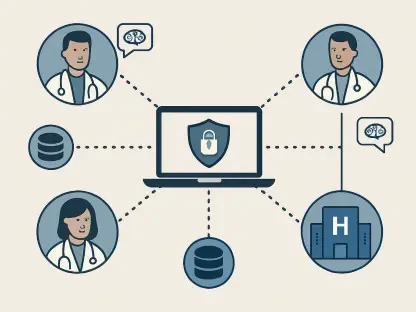
A critical component of Walmart’s dominance is its role as a digital intermediary. Rather than employing clinicians directly, which carries high overhead and regulatory complexity, the Better Care Services platform connects customers to five key third-party providers: Aaptiv, Berry Street, Curai Health, MyCare by Twin Health, and Wheel. These partners handle the heavy lifting of clinical evaluation and prescribing. This approach allows Walmart to facilitate the medical journey without the financial risks of traditional healthcare providers. By vetting these partners, the retailer ensures that its customers have a direct path to a prescription, which then flows naturally into its own fulfillment system.
Enhancing Patient Adherence Through Wraparound Services
Walmart recognizes that the GLP-1 market is often affected by high discontinuation rates due to side effects and high costs. To address this, the retailer has integrated “wraparound” services that go beyond the pill. Through its digital partners, customers gain access to nutritional therapy, exercise coaching, and chronic condition management. By providing these supplementary services, Walmart aims to increase patient adherence. For the business, higher adherence means more consistent monthly prescription refills. This holistic approach transforms a simple transaction into a long-term relationship, securing a steady revenue stream for the pharmacy division while improving health outcomes for the consumer.
Leveraging Infrastructure for One-Stop-Shop Convenience
With over 5,000 pharmacy locations and the launch of same-day prescription delivery, Walmart offers a level of physical convenience that digital-only startups cannot replicate. The “Better Care Services” hub acts as a digital destination where medical care meets retail. On the same platform where a patient manages their GLP-1 prescription, they are also prompted to purchase vitamins, supplements, and healthy food. This “retailization” of healthcare turns a medical necessity into a comprehensive shopping experience. While competitors like CVS and Walgreens are closing physical locations, Walmart is doubling down on its ability to provide a “one-stop-shop” for everything from telehealth to grocery-stable health foods.
Future Trends in the Retailization of Specialized Care
The future of the GLP-1 market at Walmart will likely be defined by deeper integration and technological innovation. The company continues to refine its supply chain partnerships, such as its current collaboration with LillyDirect, to ensure medication availability during national shortages. Furthermore, as GLP-1 medications are approved for a wider range of conditions—including sleep apnea and cardiovascular health—Walmart is poised to expand its digital hub to cover these new indications. The shift toward personalized, data-driven metabolic health management will likely see the retailer incorporating wearable device data and AI-driven nutritional advice into its platform, cementing its role as a lifelong health partner for its customers.
Moreover, the data generated from these digital health interactions provides a wealth of insight into consumer behavior. Walmart can use this information to personalize retail offerings, ensuring that patients receive recommendations for protein-rich foods or specific supplements that mitigate the common side effects of weight loss drugs. This level of personalization creates a virtuous cycle of loyalty, where the patient feels supported not just by a medication provider, but by a comprehensive health ally.
Navigating the New Era of Weight Management Retail
For consumers and healthcare professionals, Walmart’s strategy offers several key takeaways. The integration of clinical care with retail fulfillment simplifies the patient journey, making high-end medical treatments more accessible to the general public. Businesses can learn from the “capital-light” pivot, which prioritizes digital infrastructure and strategic partnerships over high-overhead physical assets. For the consumer, the availability of nutritional support and coaching alongside medication is a best practice that should be utilized to ensure long-term success. As the market evolves, those who leverage this integrated ecosystem will likely find a more streamlined and supported path to weight management than those navigating fragmented traditional systems.
Looking forward, the success of this model will depend on the ability to maintain a consistent supply of medication and the quality of the third-party clinical interactions. Professionals should observe how Walmart manages these partnerships, as they represent a new standard for retail-clinical collaborations. The emphasis on holistic care—combining medicine with lifestyle support—is a strategy that other retailers will likely attempt to emulate as they vie for a share of the burgeoning metabolic health market.
The Long-Term Impact of Walmart’s Healthcare Evolution
Walmart’s dominance in the GLP-1 market was not merely a result of its size, but of its ability to adapt its business model to meet shifting consumer needs. By moving away from costly physical clinics and embracing a partner-driven digital platform, the company successfully minimized risk while maximizing its reach. This evolution proved that retail environments could serve as primary access points for complex, high-cost therapies. The strategy effectively lowered the barrier to entry for patients who previously faced logistical hurdles in traditional clinical settings. Consequently, the convergence of digital health and physical retail emerged as a blueprint for the wider healthcare industry, demonstrating that scalability and patient support were the primary drivers of success in modern metabolic care. This shift also highlighted the growing importance of the “wraparound” economy, where ancillary products and services became just as valuable as the core pharmaceutical offering. Ultimately, the integration of technology and physical retail established a new paradigm for how specialty medicine was consumed and managed across the nation.