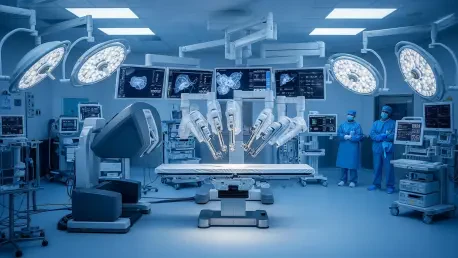

The atmosphere within the sterile surgical suites of Surrey Memorial Hospital shifted dramatically this week as a specialized medical team successfully completed the facility’s inaugural robotic-assisted procedure, marking a monumental leap in the regional healthcare infrastructure’s capability to deliver minimally invasive care to the growing population. The introduction of the Da Vinci surgical system into the hospital’s operating rooms allows for a level of precision that was previously unattainable with conventional laparoscopic techniques. By utilizing tiny, wristed instruments that can rotate far beyond the capabilities of the human hand, surgeons are now able to navigate complex anatomical structures with unprecedented accuracy. This advancement is particularly crucial for the Fraser Health region, as it addresses the increasing demand for specialized surgical services within a rapidly expanding urban center. The successful implementation of this technology ensures that patients can receive world-class treatment without traveling to distant centers, effectively decentralizing high-acuity care.
Advancing Precision: The Mechanics of Modern Surgery
The core of this robotic-assisted surgical platform lies in its immersive 3D high-definition vision system, which provides the operating surgeon with a magnified view of the surgical site. This visual clarity allows for the identification of delicate nerves and blood vessels that might be difficult to discern during traditional surgery, thereby reducing the risk of intraoperative complications. Furthermore, the system incorporates motion-scaling and tremor-reduction technology, translating the surgeon’s hand movements into precise micro-movements inside the patient’s body. These features are not designed to replace the surgeon’s expertise but rather to augment their physical capabilities through a sophisticated interface. The integration of such high-fidelity hardware requires a significant overhaul of standard operating room protocols, necessitating a collaborative effort between nursing staff and technicians to manage the complex setup of the robotic arms and sterile drapes that ensure a safe operative environment.
Beyond the technical specifications of the instruments, the robotic console offers an ergonomic environment that mitigates the physical strain often experienced by surgeons during lengthy procedures. In traditional laparoscopy, surgeons must often maintain awkward standing positions for hours, which can lead to fatigue and potentially impact performance over time. The robotic workstation allows the operator to remain seated in an optimized position, using master controllers to guide the instruments with natural hand and wrist movements. This improvement in ergonomics is expected to extend the careers of highly skilled surgical specialists by reducing the occupational hazards of repetitive strain and musculoskeletal issues. Additionally, the digital nature of the system facilitates the recording and analysis of surgical data, which can be utilized for ongoing education and the refinement of surgical techniques. This data-driven approach to surgery fosters a culture of continuous improvement, where every procedure contributes to a larger body of knowledge.
Enhancing Patient Recovery: Clinical and Operational Benefits
One of the most significant advantages of adopting robotic-assisted surgery at Surrey Memorial Hospital is the substantial reduction in postoperative recovery times for the patient population. Because the robot utilizes much smaller incisions than open surgery, patients typically experience significantly less blood loss during the procedure and require fewer painkillers during their hospital stay. These factors contribute to a faster return to daily activities and a reduced likelihood of surgical site infections, which are common complications in more invasive operations. From a logistical perspective, shorter hospital stays mean that beds become available more quickly for other patients, thereby improving the overall throughput of the hospital and reducing the burden on the emergency department. The shift toward minimally invasive robotic procedures aligns with the broader goals of modern healthcare systems to provide high-quality care that is clinically effective and economically sustainable by minimizing the long-term costs of recovery.
The successful launch of the robotic program at Surrey Memorial Hospital demonstrated that local healthcare facilities could effectively integrate cutting-edge surgical tools to enhance the quality of patient care. Hospital administrators recognized the necessity of establishing a specialized robotic training center to maintain a pipeline of skilled professionals who could operate the system safely. This initiative involved developing partnerships with medical technology firms to provide continuous updates to the existing software and hardware throughout the period from 2026 to 2028. Furthermore, the clinical team initiated a comprehensive data collection protocol to track long-term patient outcomes, ensuring that every procedure contributed to the global understanding of robotic efficacy. By prioritizing these next steps, the institution ensured that the technology remained a sustainable part of the hospital’s strategy. The commitment to these advancements provided a clear roadmap for other regional hospitals looking to modernize their own surgical departments.