
For millions of stroke survivors worldwide, the journey toward reclaiming independence is often stalled by a persistent gap between physical capability and the brain’s sensory recognition of its own limbs. While standard physical therapy focuses heavily on regaining muscle control through repetitive motion, it frequently ignores the sensory deficits and distorted body awareness that many patients experience after a neurological event. This gap in treatment can cause recovery to stall prematurely, as traditional methods fail to address the complex way the brain perceives and interacts with the physical body. Traditional protocols prioritize motor repetition, yet without accurate sensory input, the neural pathways responsible for coordinated movement remain fractured. This creates a ceiling for recovery that many struggle to break through. To solve these problems, researchers developed MultiSensy, a platform that combines immersive virtual reality with targeted nerve stimulation to help the brain reconnect.
A Multimodal Approach: Integrating Vision and Touch
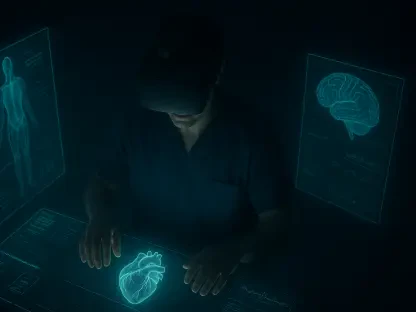
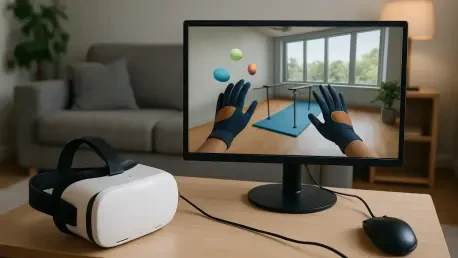
The MultiSensy platform operates by immersing the patient in a virtual environment where they perform daily tasks like grasping and reaching. While the patient moves in the virtual space, surface electrodes send real-time electrical signals to their nerves, allowing them to feel virtual objects as if they were physically present. This multisensory feedback mimics real-world interaction and stimulates the brain to rewire itself more effectively than traditional, movement-only exercises. By synchronizing visual input with tactile sensation, the system bridges the disconnect between what the eyes see and what the limbs feel. This integration is crucial because stroke damage often disrupts the brain’s internal map of the body. When a patient sees a virtual hand touch a cup and simultaneously feels a corresponding electrical pulse on their skin, the brain receives a coherent set of signals. This reinforces the neural pathways associated with that specific action, encouraging neuroplasticity.
Beyond the mechanical execution of movement, the platform addresses the psychological and neurological phenomenon of learned non-use and body neglect. Many stroke survivors develop a distorted sense of their affected limbs, which leads to a subconscious reliance on their healthy side even when the affected side is physically capable of moving. MultiSensy targets this by forcing the brain to acknowledge the existence and position of the weakened limb through intense, multisensory stimulation. The use of virtual reality provides a safe, controlled environment where the difficulty of tasks can be adjusted dynamically based on the user’s immediate performance. This adaptability ensures that the patient remains in a state of flow, where the challenges are neither too easy to be boring nor too difficult to be discouraging. The immersion provided by modern VR headsets eliminates external distractions, allowing the patient to focus entirely on the sensory-motor loop being rehabilitated.
Clinical Validation: Measuring Functional Improvements
The effectiveness of the system was tested in a rigorous study involving thirty-four chronic-stroke patients compared against a group receiving standard therapy. Both groups completed twelve intensive sessions over a period of three weeks, with researchers using standardized clinical assessments to track their progress. This methodology allowed the team to objectively measure how well the technology improved both physical movement and sensory perception across a diverse patient demographic. By focusing on the chronic stage of recovery, the researchers targeted individuals who had typically reached a plateau in their rehabilitation journey. The clinical setting provided a controlled environment to ensure that the only significant variable was the use of the MultiSensy platform versus conventional methods. Each session was monitored to ensure that the electrical stimulation remained within therapeutic ranges while still providing enough feedback to be noticeable to the patient during their movement.
The results of the clinical trial showed that MultiSensy users achieved nearly double the motor improvement compared to those in the control group. Beyond physical gains, participants experienced a significant boost in their sense of touch and proprioception, which allowed for better balance and coordination in daily activities. This improvement was supported by the platform’s ability to track precise digital data, providing an objective look at recovery that allowed for exercises to be customized to each individual’s needs. As the system proved effective, the development team successfully established a framework for home-based neurorehabilitation, addressing the logistical barriers that often prevented survivors from receiving intensive therapy. Stakeholders in the healthcare industry recognized that investing in such platforms reduced the long-term economic burden of disability, empowering patients to take an active part in their recovery. This transition transformed the landscape of stroke care into a more inclusive field.