
The shift from traditional pharmacy fulfillment to hyper-personalized, data-driven health management is no longer a distant goal but a current reality redefining how chronic conditions are treated. Specialty pharmacies navigate a landscape where medication costs are soaring and patient needs are complex. By integrating predictive modeling, these systems move beyond distribution to become active participants in the clinical journey. Historically, managing chronic disease involved manual oversight, often resulting in fragmented care. Intelligent systems address these gaps by synthesizing clinical data to provide a unified patient view. This transition toward data-centric management ensures that high-cost therapies are optimized for maximum efficacy.
Core Technological Components and Operational Drivers
Predictive Analytics for Medication Adherence
The success of specialty therapy hinges on adherence, yet long-term compliance is difficult for patients with life-altering diagnoses. Advanced AI models analyze patient behavior and clinical markers to pinpoint when a person might miss a dose. By identifying risks early, pharmacies implement interventions that push adherence rates significantly higher than the 80% industry benchmark.
AI-Enabled Administrative Automation
Administrative burdens drain resources that should be dedicated to direct patient interaction. Modern algorithms reduce clinical documentation by roughly 40%, automating the tedious aspects of prior authorization. This shift allows clinicians to focus on high-touch care, transforming the operational backbone of the pharmacy from a cost center into a strategic value driver.
Personalized Digital Care Pathways
Integrating AI into the patient journey creates a seamless interface between digital tools and human expertise. Automated scheduling and the identification of copayment assistance programs ensure that logistical barriers do not prevent access to care. These pathways are essential for managing the intricate requirements of specialty medications, offering a more responsive experience.
Latest Developments and Industry Trends
Recent initiatives like the “Pharmacy Forward” model highlight a shift in capital allocation, with investments reaching $100 million through 2028. This funding focuses on embedding AI throughout the network to foster a responsive ecosystem. Real-time clinical insights allow care teams to adapt to a patient’s changing condition with unprecedented speed and precision.
Real-World Applications and Sector Impact
Large-scale deployments in entities like Accredo demonstrate tangible benefits for patients with rare diseases. By optimizing logistics, some pharmacies cut prescription delivery times in half. This speed is critical when dealing with life-sustaining medications where minor delays lead to severe complications. AI ensures that the right medication reaches the right patient at the optimal time.
Technical Challenges and Implementation Obstacles
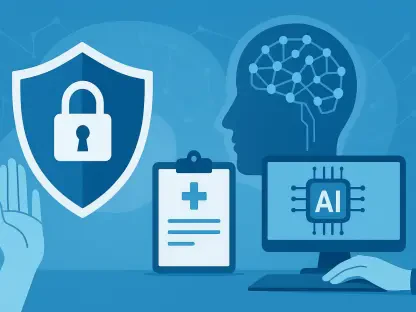
Despite the promise, the road to integration faces hurdles regarding data privacy and fragmented health records. Ensuring clinical accuracy while maintaining a human element requires responsible AI usage. Developers work to bridge these gaps by creating unified data environments that can safely handle sensitive patient information while maintaining trust.
Future Outlook for Proactive Care Models
The goal is to generate hundreds of millions in economic value by focusing on health outcomes rather than transaction volume. Potential breakthroughs in predictive diagnostics could soon allow pharmacies to anticipate side effects before they manifest. This evolution leads to a healthcare environment that is both more resilient and intuitive for the end user.
Summary and Final Assessment
The transition toward intelligent specialty systems proved that advanced analytics were essential for modern healthcare. This evolution moved the industry beyond medication dispensing, establishing a foundation for an integrated patient journey. Success depended on prioritizing interoperability to ensure AI tools communicated across hospital systems. The next phase involved expanding these models to include genomic data for tailored treatments.