
The widespread transformation of healthcare delivery has reached a critical milestone where digital consultations are no longer viewed as a temporary emergency measure but as an essential and preferred method for routine medical interactions. Market data currently indicates that telehealth usage

James Maitland stands at the forefront of medical technology integration, specializing in how robotics and automated systems can modernize the delivery of care. As an expert in IoT applications, he is uniquely positioned to dissect the brewing storm in Washington over the WISeR pilot program, which
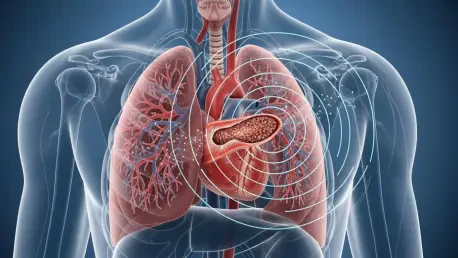
The rapid evolution of diagnostic imaging often outpaces the development of standardized communication protocols, leaving clinicians to navigate a complex landscape of varying terminology and interpretive nuances during life-threatening emergencies. Acute pulmonary embolism remains one of the most

The sudden onset of a global health crisis often reveals the highest levels of human altruism, yet it also provides a dark shadow where opportunistic entities exploit fear for financial gain. In a significant legal resolution that highlights this disturbing trend, a Dallas-based laboratory has
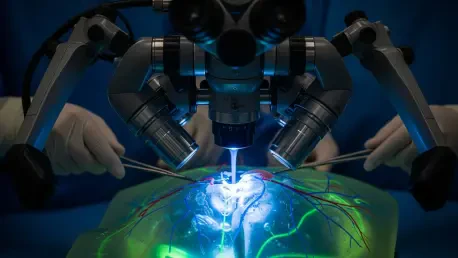
The ability of a surgeon to navigate the intricate landscape of the human body often rests on the clarity provided by near-infrared fluorescence imaging, a technology that has relied on Indocyanine Green for over sixty years. While this traditional dye has served as the gold standard for

The current federal scrutiny of the American Medical Association’s exclusive grip on medical coding represents a pivotal moment for a healthcare system that has long struggled with rising administrative costs and bureaucratic complexity. As the Centers for Medicare and Medicaid Services launches a

James Maitland has spent his career at the intersection of mechanical precision and digital intelligence, pioneering the use of robotics and the Internet of Things to solve the most pressing challenges in modern medicine. His work is fueled by a belief that technology should not just exist
Technological advancements in 2026 have effectively removed the traditional barriers that once kept medical imaging strictly within the confines of hospital emergency rooms and specialist clinics. For many individuals reaching significant life milestones, such as qualifying for Medicare or
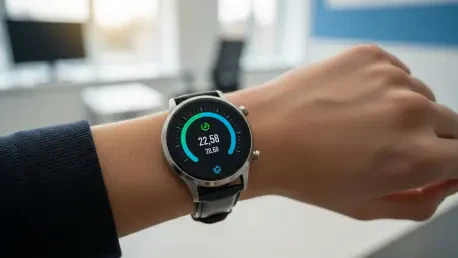
The promise of modern wearable technology was rooted in the idea that more data would lead to better health outcomes, yet many users now find themselves trapped in a cycle of digital anxiety. As wrist-worn sensors become more sophisticated, tracking everything from blood oxygen levels to autonomic
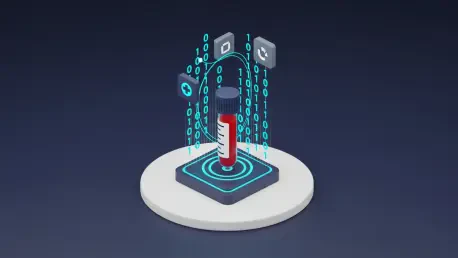
The diagnostic landscape for women’s health is undergoing a seismic shift as medical technology firms work to replace invasive procedures with streamlined, high-accuracy screening protocols that can detect malignant activity long before symptoms manifest. For decades, ovarian cancer has remained


