

James Maitland is a visionary in the fusion of robotics and health technology, having spent the last decade refining how automated systems interact with the human experience of care. With a background that spans both the technical architecture of Internet of Things (IoT) applications and a

The intricate dance between a clinician’s hand and a complex medical interface has become the primary focus of regulatory scrutiny as the Food and Drug Administration fundamentally reshapes the path toward device approval. For decades, many medical technology manufacturers treated usability as a
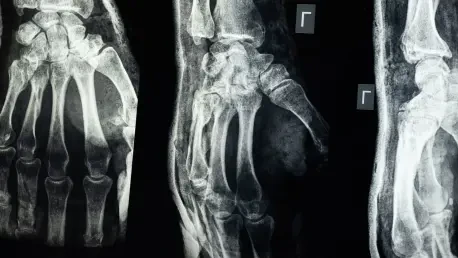
The diagnostic precision of modern oncology often rests on the ability to detect skeletal metastases before they become visible on standard x-rays, yet the visual complexity of bone scintigraphy has long remained a barrier to automated interpretation. Standard artificial intelligence models trained

A significant 7.3% increase in national telehealth usage across the United States in early 2023 underscores the urgent need for AI-driven data interpretation tools. This surge shifted the healthcare industry from a reliance on manual oversight to a foundational dependence on artificial intelligence

The heavy oak doors of the Hart Senate Office Building swung open on September 16, 2026, revealing a high-stakes arena where the future of American public health hung precariously in the balance. This was not merely another routine administrative hearing; it was a defining moment for a nation
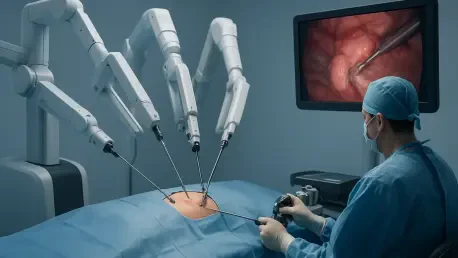
James Maitland is a pioneer at the intersection of medical robotics and the Internet of Things, dedicating his career to bridging the gap between cutting-edge technology and patient accessibility. With the successful execution of the world’s first telerobotic neurosurgery and the increasing global

The economic cost of diabetes-related complications in the United States exceeds four hundred billion dollars annually, requiring targeted outreach that is only possible with precise demographic insight. The United States is currently navigating a complex transition in administrative policy as

A New Era in Interventional Cardiology: The Arrival of Selution SLR The landscape of cardiovascular medicine witnessed a monumental shift this week as the U.S. Food and Drug Administration officially authorized the clinical use of a pioneering sirolimus-coated balloon for the treatment of coronary

Traditional federal regulatory structures are poorly equipped to handle dynamic technologies that continue to learn and evolve after they have been deployed into clinical settings. This gap is becoming increasingly apparent as the American healthcare landscape undergoes a radical transformation,

A mid-study hardware or software upgrade at a clinical site can silently rewrite longitudinal data by increasing the contrast-to-noise ratio, potentially masking or mimicking a drug effect. This technical volatility represents one of the most significant yet underappreciated risks in modern drug


