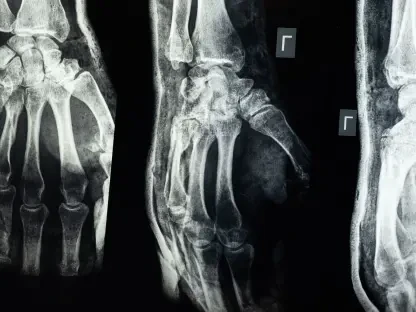

A trauma surgeon standing in a high-stakes operating room relies on real-time imaging data that suddenly vanishes when a ransomware attack locks down the entire hospital network. This scenario is no longer a localized IT problem but a direct threat to the physical well-being of the patient on the table. In 2026, the traditional boundaries that once separated digital privacy from clinical operations have completely dissolved. Healthcare organizations are recognizing that a breach of their systems is equivalent to a failure of their medical equipment. While early discussions around cybersecurity focused almost exclusively on the theft of financial records or patient identities, the current landscape demands a shift toward preserving the continuity of life-saving services. As hospitals become increasingly reliant on cloud-based analytics and automated medication delivery systems, the potential for digital disruption to cause physical harm has reached a critical threshold. Maintaining a secure network is now as essential to modern medicine as sterile surgical tools.
The Digital Landscape: Connectivity and Medical Risk
Analyzing Connectivity and Infrastructure Vulnerabilities
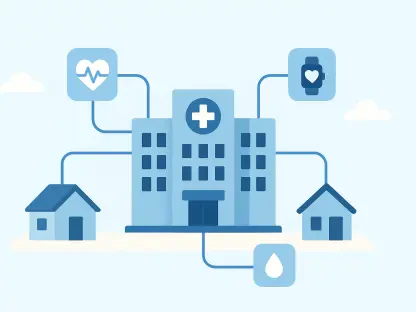
Modern medical devices are no longer standalone tools; they are deeply integrated into a vast ecosystem of electronic health records, medication platforms, and real-time monitoring systems. This high level of interconnectivity means that a single point of failure can trigger a ripple effect across an entire hospital’s workflow. When a network is compromised, clinicians may lose access to vital patient histories or diagnostic tools, which can delay urgent treatments and cloud clinical judgment during critical moments. The reliance on the Internet of Medical Things (IoMT) has created a landscape where a vulnerability in a smart infusion pump or a networked ventilator can be exploited to move laterally through the hospital’s infrastructure. Consequently, the speed of modern medicine is dictated by the uptime of the underlying network. Ensuring that these systems remain isolated from unauthorized traffic while remaining accessible to practitioners is a complex balancing act that requires constant technical vigilance.
Evaluating the Ripple Effects of System Interdependence
The integration of disparate technologies into a unified clinical environment has amplified the consequences of even minor technical glitches. When an automated pharmacy dispensing system loses connectivity, the delay in medication delivery can lead to adverse events for patients in the intensive care unit who require precise dosing intervals. These interdependencies mean that cybersecurity professionals must look beyond data encryption and focus on the availability and integrity of the data stream. If an attacker alters the information coming from a laboratory information system, a physician might make a diagnosis based on fraudulent results, leading to unnecessary procedures or the withholding of necessary care. The risks are no longer theoretical; they are operational realities that demand a robust defense-in-depth strategy. Protecting the integrity of the clinical data pipeline is now recognized as a fundamental component of the healthcare mission, ensuring that every piece of information used by a caregiver is both accurate and available when it is most needed.
Addressing the Persistent Challenges of Legacy Systems
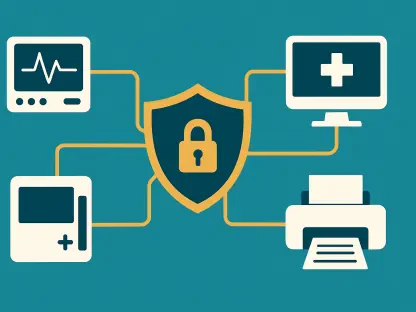
The prevalence of legacy technology in healthcare facilities poses a unique challenge to maintaining a secure environment. Many essential medical devices, such as older MRI machines or specialized diagnostic workstations, were not designed with modern threats in mind, making them difficult to patch or update without disrupting their core functions. This technological debt, combined with the lack of clear accountability among various equipment vendors, often leaves healthcare providers with blind spots that attackers are eager to exploit. Because these systems often run on outdated operating systems that no longer receive security updates, they represent a permanent entry point for malicious actors. Replacing this equipment is often cost-prohibitive, leading many organizations to attempt to wall off these devices using virtual local area networks or hardware firewalls. However, these solutions are often imperfect and can be bypassed by sophisticated malware that is designed to traverse even segregated environments.
Balancing Security With Clinical Reality
Understanding Human Workarounds and Operational Friction
When cybersecurity measures or system outages interfere with the speed of care, dedicated medical professionals often resort to manual workarounds to ensure their patients stay safe. While these efforts are a testament to clinical resilience, reverting to paper records or sharing login credentials introduces a new set of risks, such as transcription errors and documentation gaps. In high-stress environments where the cognitive load is already extreme, the loss of automated safety checks can lead to preventable medication errors or communication failures. For instance, if a nurse cannot quickly access a patient’s allergy profile due to a locked account, the immediate need to administer medication might outweigh the protocol to wait for an IT reset. These behavioral adaptations are logical in the moment but create long-term systemic vulnerabilities. Security experts must acknowledge that the human factor is not a flaw to be corrected but a vital component of the care delivery system that requires intuitive protocols.
Designing Invisible Security for Seamless Clinical Workflows
Effective healthcare security must be designed to work in harmony with clinical workflows rather than creating unnecessary friction for the user. If a security protocol adds even a few seconds of delay during a life-saving procedure, there is a strong incentive for staff to bypass it entirely. The goal for modern healthcare IT is to implement robust protections that are virtually invisible to the clinician, ensuring that their primary focus remains on the patient rather than on navigating a complex digital interface. This can be achieved through the implementation of proximity-based authentication, biometric scanners, and single sign-on solutions that allow for rapid transitions between different workstations. By reducing the number of manual hurdles, hospitals can increase compliance with security policies while simultaneously improving the efficiency of the medical staff. When technology supports rather than hinders the physician, the overall safety of the patient is enhanced because the risk of errors is mitigated.
Strengthening Institutional Defenses and Resilience
Integrating Cyber Readiness into Patient Safety Protocols
Building true organizational resilience requires a transition from simple data recovery plans to comprehensive simulations that involve the entire medical staff. Traditional downtime drills often fail to capture the complexity of a total medical device failure across multiple departments. By conducting multidisciplinary exercises that mimic real-world cyberattacks, hospitals can help their teams develop the muscle memory needed to maintain patient safety when digital systems go dark. These simulations should include scenarios where electronic health records are unavailable and diagnostic imaging is unreachable. This preparation allows staff to practice transitioning to paper-based systems or manual monitoring without the panic that usually accompanies a live breach. Furthermore, these drills identify gaps in communication and resource allocation that might not be apparent during normal operations. A culture of readiness ensures that the hospital remains functional even when its primary digital tools are compromised.
Forging Partnerships Between Technical and Clinical Leaders
A successful defense strategy depends on close collaboration between cybersecurity experts, biomedical engineers, and frontline clinical leadership. These groups must work together to identify which systems are most critical to patient survival and establish pre-vetted manual processes for use during a crisis. When these diverse departments operate in unison, the organization can more effectively bridge the gap between technical security and clinical continuity. The emergence of the Chief Medical Information Officer as a bridge between the IT department and the medical staff has been instrumental in this effort. By treating cyber hygiene as a shared clinical responsibility, hospitals can ensure that security investments are prioritized based on their direct impact on patient outcomes. This integrated approach fosters a sense of ownership among clinical staff, who come to see digital safety not as an external mandate but as a fundamental part of their duty to provide high-quality care.
Developing Strategic Foundations for Long-Term Network Integrity
The industry finally moved toward a model where cybersecurity was treated as a fundamental pillar of patient safety rather than a back-office administrative concern. This shift required healthcare leaders to invest in resilient infrastructures that prioritized clinical uptime over simple data encryption. Organizations that succeeded in this transition implemented robust internal auditing processes and replaced unpatchable legacy hardware with modern, secure-by-design alternatives. They also fostered an environment where clinical staff were actively involved in the design of security workflows, ensuring that protocols remained practical in emergency settings. Moving forward, the focus shifted to the creation of automated incident response systems that could isolate infected segments of a network without shutting down the entire facility. These advancements ensured that medical professionals could continue to rely on their digital tools even under the pressure of a targeted attack. By integrating security into the clinical core, hospitals fulfilled their mission to protect patients.