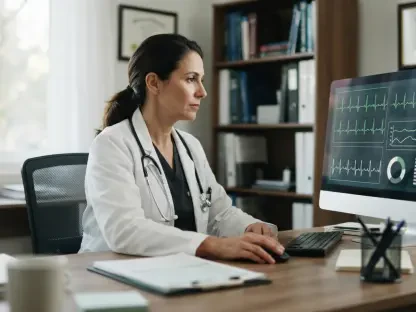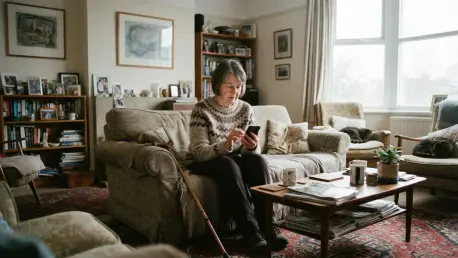

By leveraging ubiquitous communication tools like WhatsApp and Telegram, healthcare providers can create multilayered support systems that encourage consistent peer engagement. This strategic use of mobile technology has proven particularly effective in the recent clinical trials conducted at Alexandria Main University Hospital, where researchers addressed the persistent gap in chronic disease management for individuals living with multiple sclerosis (MS). In regions where structured behavioral protocols have historically been underutilized, the shift toward a digital-first approach allows patients to bypass the physical, geographic, and financial hurdles that typically impede access to comprehensive rehabilitative care. This study, which reached its primary milestones during the first half of 2026, demonstrated that telehealth is not merely a backup option but a transformative tool for patient empowerment. By providing a structured, remotely delivered educational intervention, the medical community is finding new ways to foster resilience and autonomy in a population that frequently faces mobility-related isolation. As neurological care evolves, the integration of these accessible communication platforms ensures that high-quality guidance reaches patients regardless of their proximity to specialized medical centers. This transition represents a significant leap forward in the mission to provide equitable care, specifically targeting the functional needs of those navigating the complexities of immune-mediated neurological challenges in an increasingly digital world.
Understanding the Clinical Impact of Multiple Sclerosis
Multiple sclerosis represents a sophisticated and often unpredictable immune-mediated challenge to the central nervous system, characterized by an inflammatory process that targets the protective myelin sheaths and underlying axonal fibers. This neurodegenerative pathology makes MS one of the primary causes of nontraumatic neurological disability among young adults, with initial diagnoses typically occurring during the most productive years of life, between the ages of 20 and 40. Because the disease strikes during this critical window of professional and personal development, its long-term implications extend far beyond physical health, impacting career stability, financial independence, and social integration. The complexity of the disease lies in its ability to disrupt the electrical signals within the brain and spinal cord, leading to a diverse array of symptoms that vary significantly from one individual to another. This variability necessitates a highly personalized approach to care, as the damage to the myelin can result in permanent scarring or sclerosis, which progressively impairs the nervous system’s ability to communicate effectively with the rest of the body.
The symptomatic profile of MS is notoriously debilitating and often manifests as a synergistic cluster of physical and psychological challenges that can fluctuate without warning. Patients frequently contend with profound physical fatigue, cognitive impairments such as memory lapses or concentration difficulties, and affective disorders including clinical depression and anxiety. These issues are often accompanied by chronic pain, spasticity, and sensory disturbances that create a persistent psychological strain on the individual. Because these symptoms shift between acute relapses and periods of remission, they foster an environment of constant uncertainty, leading to high rates of social isolation and economic instability. Global data indicates that unemployment rates among this population can reach staggering levels, sometimes as high as 80 percent, highlighting the urgent need for comprehensive management strategies that go beyond biological treatment. Effective intervention must therefore address the totality of the patient experience, focusing on how these fluctuating symptoms impact daily functioning and the long-term ability to maintain a baseline quality of life within a society that often lacks the necessary accommodations for neurological disabilities.
Defining the Five Pillars of Self-Management
While pharmacological disease-modifying therapies are essential for managing the biological progression of multiple sclerosis, they are frequently insufficient for addressing the nuanced and practical challenges of daily living. Consequently, self-management has emerged as a vital clinical pillar that empowers patients to take an active and informed role in their own health outcomes. This dynamic process requires individuals to develop and execute practical competencies across five core dimensions: treatment adherence, knowledge acquisition, routine regulation, medical collaboration, and psychosocial mitigation. By mastering these areas, patients can move from being passive recipients of medical care to becoming active participants who can navigate the complexities of their condition with confidence. Treatment adherence involves overcoming the logistical and psychological barriers to consistent medication use, while knowledge acquisition ensures that the patient understands the underlying pathology and progression of their disease. Routine regulation involves the daily management of health habits and lifestyle adjustments, whereas medical collaboration focuses on constructive shared decision-making with healthcare providers to ensure that treatment plans align with personal goals and physical realities.
Despite the proven efficacy of structured self-management strategies in other chronic conditions like diabetes or heart failure, these programs have remained largely inaccessible for many individuals living with multiple sclerosis. Significant barriers such as geographic distance from specialized clinics, the high cost of frequent hospital visits, and physical mobility limitations often prevent patients from receiving the behavioral training they need. Telehealth provides a unique and scalable solution to these challenges by delivering expert guidance directly into the patient’s home environment. By removing the physical requirement of hospital-based education, digital platforms allow for a more consistent and inclusive approach to care. This shift is particularly important for patients in the early stages of the disease, where establishing healthy self-management habits can significantly slow the functional decline and improve long-term prognosis. The integration of mobile health tools into the standard of care represents a necessary evolution in neurology, ensuring that the five pillars of self-management are accessible to everyone, regardless of their physical or economic circumstances, thereby bridging the gap between clinical treatment and everyday wellness.
Implementing a Structured Telehealth Curriculum
The research team at Alexandria Main University Hospital developed a targeted and highly structured four-week telehealth curriculum specifically designed for patients who possess basic digital literacy and access to an internet-enabled smartphone. This program was organized into small cohorts of participants to facilitate a more personalized learning experience while fostering a sense of community among those living with similar challenges. The pedagogical structure utilized a combination of prerecorded audiovisual lectures delivered via WhatsApp and interactive audio conferences hosted on Telegram. This multilayered architecture was chosen for its ubiquity and ease of use, ensuring that participants could engage with the material at their own pace without the need for specialized or expensive software. To maintain high levels of engagement, the curriculum was supplemented by private telephone check-ins, allowing healthcare providers to address individual concerns and reinforce the core concepts of the weekly modules. This hybrid approach created a robust support system that balanced standardized education with the flexibility required by patients who may be experiencing fluctuating levels of fatigue or cognitive strain during the intervention period.
The curriculum itself was strategically organized into thematic weekly modules that guided participants through a logical progression of skills and knowledge. During the first week, the focus remained on expanding comprehensive disease knowledge, helping patients understand the biological mechanisms of MS and the rationale behind various treatment options. The second week shifted toward daily health habits and specific techniques for managing the synergistic symptom of fatigue, which is often cited as the most disabling aspect of the disease. In the third week, the program addressed psychological coping mechanisms and methods for mitigating the daily stress and anxiety that often accompany chronic neurological conditions. Finally, the fourth week was dedicated to training participants in problem-solving and effective communication principles, ensuring they could articulate their needs clearly during medical consultations. By breaking the education down into manageable, weekly segments, the program prevented cognitive overload and allowed for the gradual integration of new behaviors into the patient’s existing lifestyle. This systematic approach ensured that the knowledge gained was not just theoretical but could be applied immediately to improve the patient’s functional autonomy.
Evaluating Significant Gains in Self-Management
The quantitative evaluation of the telehealth program revealed a significant and sustained upward trajectory in the self-management capabilities of the participants over a three-month observation period. Data collected through the Multiple Sclerosis Self-Management Scale-Revised indicated that total scores rose steadily from the initial baseline, showing marked improvements immediately following the four-week intervention and continuing to climb at the three-month follow-up. This trend is particularly noteworthy as it suggests that the digital curriculum did not merely provide a temporary boost in motivation but successfully fostered a long-term behavioral shift. Participants became significantly more informed about their condition, more diligent in their adherence to prescribed medical regimens, and more capable of maintaining healthy daily routines. These findings underscore the potential for remotely delivered education to create lasting changes in how patients interact with their disease, proving that the digital medium is a highly effective vehicle for delivering complex health information and behavioral training that translates into real-world improvements.
However, while the study documented significant gains in individual health habits and knowledge, it also highlighted specific areas where digital education may have limitations. Interestingly, the scores related to healthcare provider communication and perceptions of social support did not show the same dramatic improvements as the other dimensions of self-management. This suggests that while a didactic telehealth program is excellent for individual empowerment and personal habit formation, it may be less effective at reshaping the external social environment or the entrenched power dynamics of the doctor-patient relationship. Improving these interpersonal domains may require more specialized, experiential training or perhaps the involvement of medical staff in the educational process itself. Furthermore, the data indicated that patients with a lower initial symptom burden had higher baseline self-management scores, reinforcing the idea that early intervention is critical. As the symptom burden increases, the ability to self-manage becomes more difficult, making it essential to provide these digital tools as soon as possible after diagnosis to build a strong foundation of health literacy and resilience before the disease progresses further.
Analyzing Long-Term Quality of Life Outcomes
The improvements in self-management were closely mirrored by substantial gains in the global quality of life for the study participants, as measured by the Multiple Sclerosis International Quality of Life scale. Over the course of the intervention and the subsequent follow-up period, patients reported a significant reduction in psychological distress and a better ability to regulate their emotions. This shift was accompanied by a more positive perception of their physical symptoms; even though the underlying disease remained present, the participants felt more capable of managing its impact on their daily lives. One of the most insightful findings was the observed “delayed benefit” regarding activities of daily living. While functional scores showed little change immediately after the four-week program, they improved significantly by the three-month mark. This suggests that the practical application of behavioral strategies, such as energy conservation or cognitive pacing, requires a gestation period where patients practice and integrate these skills into their unique household contexts before the benefits manifest as tangible functional improvements.
Ultimately, the results of the 2026 clinical trial established that a structured telehealth program was a powerful tool for helping patients achieve higher levels of functional autonomy and psychological resilience. While the program successfully addressed individual behaviors and mental well-being, the researchers identified that domains such as family dynamics and sentimental relationships remained largely unchanged, pointing toward the need for more inclusive, family-centered educational models in the future. By the end of the study, it was clear that incorporating domestic partners and relatives into the educational process could help mitigate the interpersonal friction that often arises from the role redistribution caused by neurological disability. The Alexandria trial concluded that the future of MS care must involve a blend of pharmacological excellence and digital behavioral support. It was determined that providing patients with the practical competencies to manage their own health leads to a more fulfilling life and reduces the overall burden on the healthcare system. Moving forward, the medical community should focus on expanding these digital interventions to include broader social support networks, ensuring that the progress made in individual self-management is sustained within a supportive and informed home environment.