
The shift toward outpatient administration of bispecific antibodies represents a significant milestone in modern oncology, offering patients greater flexibility while demanding rigorous safety protocols to manage potential complications. Cytokine release syndrome (CRS), a systemic inflammatory response characterized by fever and hypotension, remains a primary concern for clinicians transitioning these potent therapies from the hospital to the community setting. Successful management hinges on a robust infrastructure that bridges the gap between the clinical office and the patient’s home, ensuring that any deviation from normal physiological parameters is detected and addressed immediately. This transition requires a meticulous blend of patient education, caregiver empowerment, and real-time data collection to maintain the delicate balance between therapeutic efficacy and patient safety. By establishing clear guidelines for monitoring and intervention, healthcare providers can mitigate the risks associated with T-cell-engaging therapies, ultimately expanding access to these life-saving treatments for a broader population of cancer patients regardless of their location.
1. Essential Tools for Home Monitoring
Equipping caregivers with the right medical instruments is the first line of defense in identifying early indicators of cytokine release syndrome before they escalate into life-threatening emergencies. Every patient enrolled in an outpatient bispecific antibody program is provided with a kit containing a digital thermometer, a blood pressure cuff, and a pulse oximeter, which serve as the fundamental components of the monitoring protocol. These tools allow for the objective measurement of vital signs that are often the first indicators of trouble, such as a sudden spike in temperature or a subtle drop in blood oxygen saturation levels. Caregivers are trained to use these devices accurately and are required to record readings at scheduled intervals, providing a continuous stream of data that informs the clinical team’s decision-making process. Having these instruments readily available eliminates the ambiguity of subjective reporting, allowing for a more precise assessment of the patient’s condition during the critical days following a step-up dose or maintenance infusion.
2. Prophylactic Medications and Rescue Kits
Prophylactic intervention has emerged as a cornerstone of outpatient bispecific antibody therapy, significantly reducing the incidence and severity of cytokine release syndrome in diverse patient populations. Clinicians frequently utilize dexamethasone as a preventive measure, administering it either before the infusion or as a scheduled dose in the days following treatment to dampen the initial immune surge. For patients receiving therapies for multiple myeloma, where the risk of CRS can be more pronounced, the use of prophylactic tocilizumab has become an increasingly standard practice to block interleukin-6 receptors before a crisis occurs. By preemptively addressing inflammatory pathways, medical teams can often keep adverse events confined to Grade 1, which typically manifests as a manageable fever rather than more severe systemic instability. This proactive stance not only enhances patient comfort but also minimizes the likelihood of emergency room visits or unplanned hospital admissions, making the outpatient model more sustainable for clinical use.
3. Clinical Step-Up Dosing Protocols
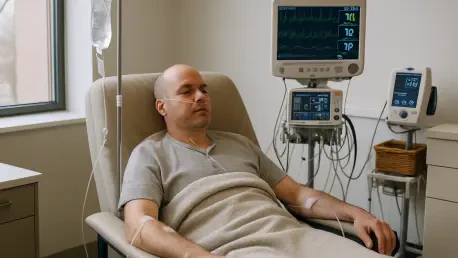
The clinical workflow following a step-up dose of bispecific therapy is designed to provide multiple layers of surveillance during the highest-risk windows for adverse reactions. On the day immediately following treatment, patients return to the clinic for a comprehensive evaluation, which often includes the administration of intravenous fluids and supplemental steroids to maintain physiological stability. During this visit, oncology nurses and physicians monitor the patient for several hours, observing for any subtle changes in neurologic status or physical well-being that might not be captured by home monitoring alone. After this period of observation, the patient is discharged back to their home, but the connection to the medical team remains active through a scheduled telehealth review later that same evening. These virtual check-ins, typically conducted by an advanced practice provider, allow the team to confirm that the patient has transitioned safely and to address concerns that may have arisen since leaving the office.
4. Grade-Based Management of Adverse Events
The response to cytokine release syndrome is determined by the severity of the symptoms, with the primary goal of managing mild cases at home or in the office to avoid unnecessary hospitalizations. If a patient develops a fever of 100.4 °F or higher, the team attempts to manage this Grade 1 event at home first; however, if it persists for more than twenty-four hours, the patient is brought in for tocilizumab. Grade 2 symptoms, such as low oxygen saturation or dropping blood pressure, trigger an immediate office visit for intensive management with fluids and low-flow oxygen. Should these measures fail to stabilize the patient by the end of the day, or if the severity progresses toward Grade 3, hospital admission is mandated to ensure safety. This tiered response ensures that patients receive the appropriate level of care based on specific symptom severity. Questions regarding hospitalization are answered by these clear clinical thresholds, ensuring that only those with progressing Grade 2 or Grade 3 symptoms require inpatient care.
5. Innovative Remote Surveillance Technologies
The implementation of these structured management protocols successfully allowed clinicians to navigate the complexities of outpatient therapy while maintaining a high standard of safety. Advancements in wearable technology, such as arm patches that transmit continuous temperature data to a digital portal, revolutionized the ability to track patient health in real time. These tools were supplemented by remote nursing programs providing twenty-four-hour monitoring by professionals experienced in T-cell therapies who interpreted subtle shifts in vitals. This strategic approach ensured that hospital resources were reserved for the most critical cases, while patients benefited from the convenience of a less restrictive setting. Looking ahead, the refinement of these protocols should focus on the deeper integration of predictive analytics to identify high-risk patients before therapy begins. Clinicians emphasized the importance of ongoing caregiver education and the standardization of monitoring tools to ensure consistency across different care settings. The transition to this model demonstrated that delivery became truly scalable.