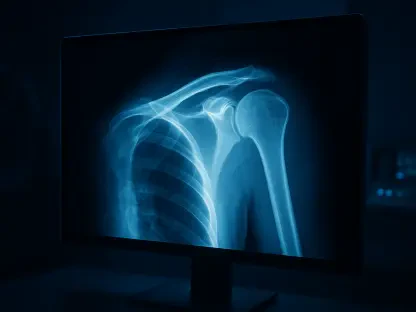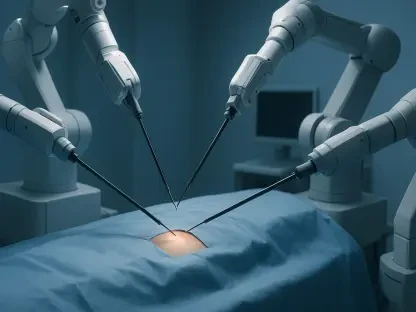
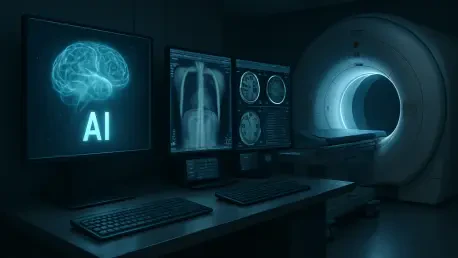
Artificial intelligence (AI) is rapidly reshaping the landscape of radiology, bringing transformative changes to diagnostic imaging and the professionals who drive this critical field of medicine, while enhancing patient care and streamlining complex workflows. With the power to improve diagnostic
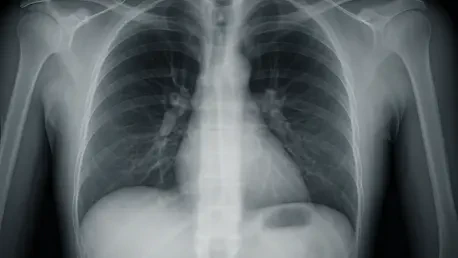
Imagine a world where diagnosing critical lung conditions like pulmonary embolism or chronic obstructive pulmonary disease (COPD) no longer requires exposure to radioactive tracers or lengthy, multi-step procedures, and this vision is becoming a reality thanks to a pioneering advancement in
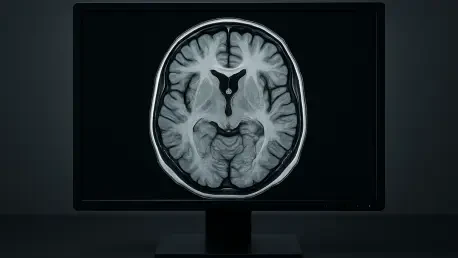
Brain MRI stands as a cornerstone in diagnosing neurological disorders, ranging from acute strokes to insidious tumors, yet it grapples with a fundamental challenge that has persisted for decades: striking a perfect balance among acquisition time, image resolution, and signal-to-noise ratio (SNR),
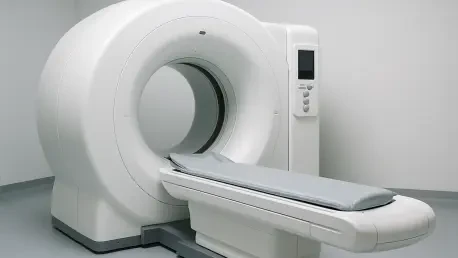
Imagine a world where neurodegenerative diseases are detected at their earliest stages, long before symptoms become debilitating, allowing for interventions that can dramatically alter a patient’s life trajectory. This vision is inching closer to reality with a groundbreaking advancement in medical
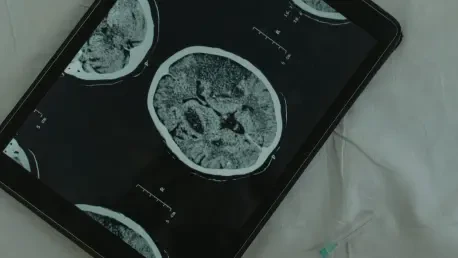
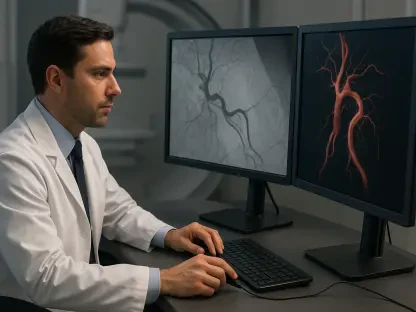
The human eye has often been regarded as a portal to deeper insights about overall health, but recent technological strides are elevating this notion to an unprecedented level with remarkable implications for medical diagnostics. Retinal fundus imaging, a method long used to diagnose eye

In a world where skin cancer remains one of the most prevalent forms of cancer, a groundbreaking development in diagnostic technology is poised to transform the landscape of early detection and treatment, offering hope to millions. Basal cell carcinoma (BCC), the most common type, often requires