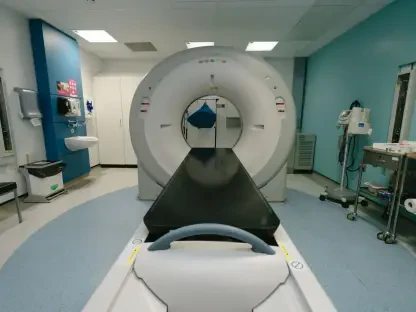
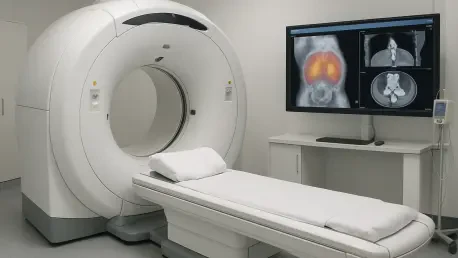
In Malaysia, a silent health crisis looms as prostate cancer often goes undetected until it reaches critical stages, leaving many men with limited options for effective treatment, and statistics reveal a grim reality: nearly 75% of Malaysian men are diagnosed only after the disease has spread to
Imagine a scenario where a routine eye exam could detect a potentially blinding condition long before any symptoms appear, preserving a patient’s vision through timely intervention. A remarkable advancement from the University of Waterloo is turning this possibility into reality with a cutting-edge
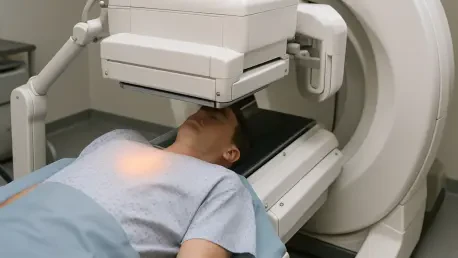
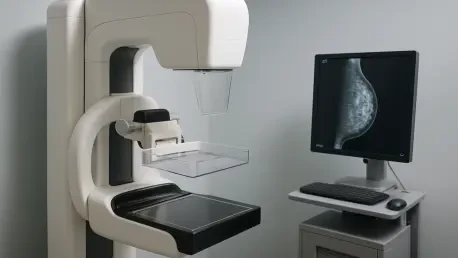
Imagine a scenario where surgeons can peer into the molecular landscape of breast cancer during an operation, pinpointing malignant cells with unprecedented accuracy, a reality now unfolding through radionuclide imaging. This transformative technology enhances breast-conserving surgery (BCS),
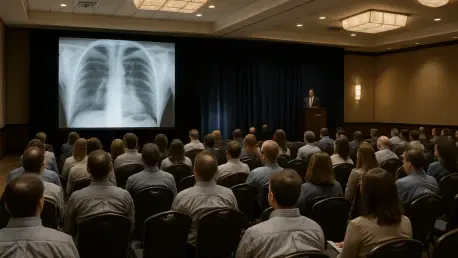
In a world where medical imaging technology advances at a breathtaking pace, the opportunity for students to engage with global experts and present cutting-edge research is invaluable, and two fourth-year Radiography students from the Central University of Technology, Free State (CUT) in South

In an era where data drives innovation in health care, a groundbreaking initiative has emerged to empower researchers with the tools and funding needed to tackle some of the most pressing challenges in the field, and Rutgers Health, through the Rutgers Institute for Health, Health Care Policy and
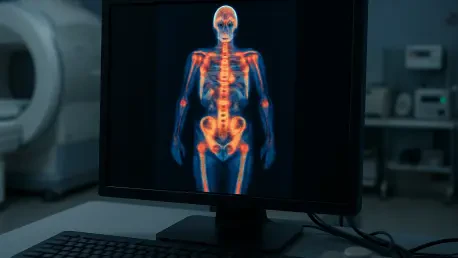
Imagine a future where robots, initially designed to navigate the perilous environments of nuclear facilities, are seamlessly integrated into hospital wards, assisting with surgeries, transporting medical supplies, and ensuring patient safety in ways previously thought impossible. This scenario is