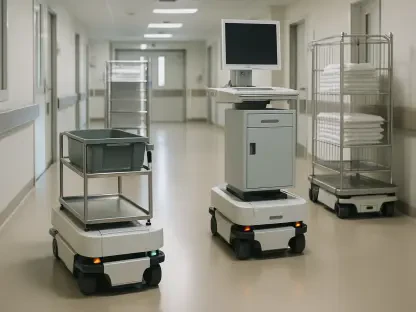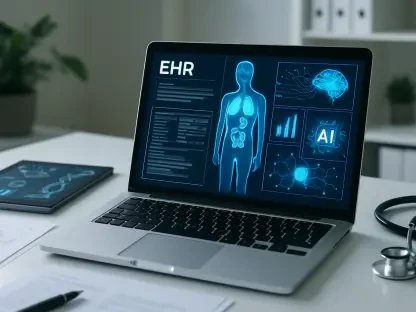

A hospital that prepares exclusively for cyber scenarios remains dangerously vulnerable to broader operational collapses that require comprehensive business continuity planning. In the modern healthcare landscape, the integration of digital systems into clinical workflows has created a significant

Governor Patrick Morrisey signed House Bill 4965 into law to eliminate the administrative cycles that frequently delay critical medical care for state employees. This legislative intervention arrived as a necessary correction to a system that often prioritized bureaucratic checklists over the

The deployment of programmatically matched clinical documentation against medical necessity guidelines at the point of care effectively eliminates traditional administrative delays for providers. For decades, the healthcare industry has struggled with the burdensome reality of manual oversight,

The rising prevalence of multimorbidity among aging populations is forcing healthcare organizations to implement sophisticated risk-stratification tools for resource allocation. This shift represents a broader transformation within the global clinical risk grouping market, which is now operating at
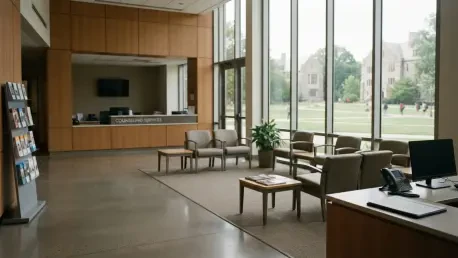
Faculty representatives maintain that the 300% to 400% price increase associated with TimelyCare is not justified by its features when other vendors have been denied the opportunity to bid. This assessment forms the foundation of a growing resistance within the California State University system,
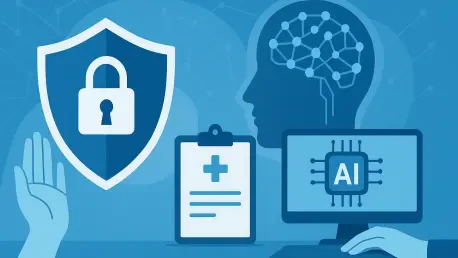
The evolution of the Law Department to handle a full mandate of enterprise risk reflects a maturation phase for companies transitioning from startups to global infrastructure providers. WELL Health Technologies Corp. has institutionalized this transition by appointing Samara Starkman as the Chief
1 2 3 4 5 6 7 8 9 10 11 12 13 14 15 16 17 18 19 20 21 22 23 24 25 26 27 28 29 30 31 32 33 34 35 36 37 38 39 40 41 42 43 44 45 46 47 48 49 50 51 52 53 54 55 56 57 58 59 60 61