
Targeted radiopharmaceutical therapies ensure that radioactive agents are delivered directly to malignant cells while minimizing collateral damage to healthy tissue. The appointment of Dr. Amir Iravani as the Director of the Theranostics Program and Vice Chair of Clinical Research at UCLA Health marks a transformative moment for the institution. By establishing an independent Department of Nuclear Medicine and Theranostics, UCLA is positioning itself at the absolute forefront of precision oncology. Dr. Iravani brings a unique blend of clinical expertise and research acumen to this dual role, which is designed to accelerate the development of next-generation cancer treatments. This organizational change reflects a growing recognition that molecular imaging and targeted therapy are no longer peripheral tools but central pillars of oncology. His leadership is expected to catalyze collaboration, ensuring that UCLA remains a premier destination for those seeking advanced therapeutic options. The integration of these services under one specialized department facilitates a cohesive approach to patient management, ultimately driving better outcomes through science-driven innovation.
Advancing Precision Medicine: The Integration of Theranostics
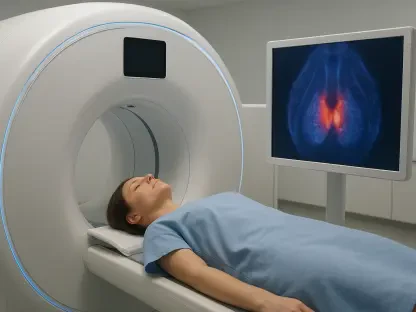
Dr. Iravani’s arrival heralds a new era where the distinction between diagnosis and treatment becomes increasingly blurred, a concept known as theranostics. This field leverages specific biological targets to visualize disease via PET scans and subsequently treat it using the same or similar molecules labeled with therapeutic radioisotopes. Within the David Geffen School of Medicine and the UCLA Health Jonsson Comprehensive Cancer Center, Dr. Iravani will focus on embedding these sophisticated protocols into routine clinical practice. The goal is to move beyond conventional, broader treatment modalities and instead develop highly individualized pathways for every patient. This is particularly crucial for individuals with refractory cancers who have exhausted standard options like chemotherapy or radiation. By fostering deep collaborations within the precision health ecosystem, the program aims to create a robust framework where molecular insights directly inform therapeutic decisions for each patient. Through this integrated approach, the healthcare system can offer more hope to those with the most complex and difficult-to-treat oncological cases.
Moreover, the depth of experience Dr. Iravani brings to Los Angeles is rooted in a career spent at some of the world’s most prestigious institutions. His foundational training at the Peter MacCallum Cancer Centre in Melbourne provided him with early exposure to a pioneering environment for radiopharmaceutical therapy. This international perspective was further refined during his tenure as the theranostics clinical director at the Fred Hutchinson Cancer Center and his associate professorship at the University of Washington School of Medicine. Throughout his career, he has focused on utilizing molecular imaging to revolutionize the management of neuroendocrine tumors, prostate cancer, and thyroid malignancies. By identifying specific imaging biomarkers, he has consistently demonstrated how targeted treatments can be optimized for maximum efficacy. His background allows him to bridge the gap between complex physics and clinical medicine, providing a balanced perspective for leading a multidisciplinary team. This transition to UCLA represents a strategic move to combine global best practices with the unique research capabilities available within the University of California system.
Strategic Innovation: Molecular Imaging and Patient Care
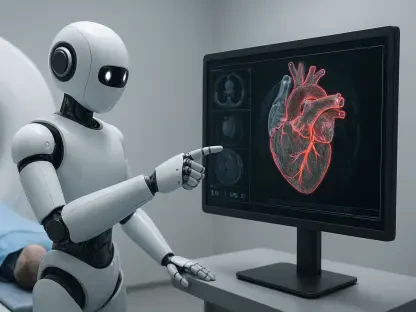
Building on this focus on clinical integration, a fundamental component of the new leadership strategy involves the rigorous use of quantitative data to drive decision-making. Dr. Iravani advocates for a shift away from one-size-fits-all medicine toward a model of personalized precision that relies on objective metrics from imaging studies and liquid biopsies. For instance, the implementation of PSMA PET imaging for prostate cancer has changed the landscape of the disease by allowing physicians to visualize the exact distribution of cancer cells throughout the body. By applying these quantitative tools, the clinical team can precisely calibrate the dosage of radioactive agents, ensuring that the maximum therapeutic effect is achieved at the site of the tumor while sparing healthy organs. This level of precision requires a sophisticated infrastructure that combines high-resolution imaging with advanced computational analysis. Under Dr. Iravani’s guidance, the program will continue to refine these methodologies, integrating real-time data to monitor treatment response and adjust therapies dynamically as the disease evolves.
The strategic appointment of Dr. Amir Iravani successfully consolidated UCLA Health’s position as a dominant force in the rapidly evolving field of precision oncology. Through his leadership, the institution moved beyond traditional silos, fostering an environment where molecular imaging and targeted therapy became fundamental components of the patient journey. To ensure long-term success, the program established specific protocols for integrating artificial intelligence into image interpretation, which drastically reduced the time required for treatment planning. The team also formalized a cross-disciplinary fellowship program to train the next generation of theranostics specialists, securing a talent pipeline for the coming years. By prioritizing the expansion into solid tumor research beyond prostate cancer, the department successfully identified three new radiopharmaceutical targets that entered clinical testing. Ultimately, these practical solutions addressed the complex biological challenges of refractory disease, ensuring that the promise of theranostics translated into better outcomes. The framework provided a clear roadmap for other institutions seeking to implement comprehensive radiopharmaceutical programs.