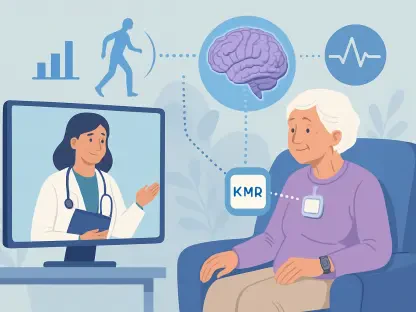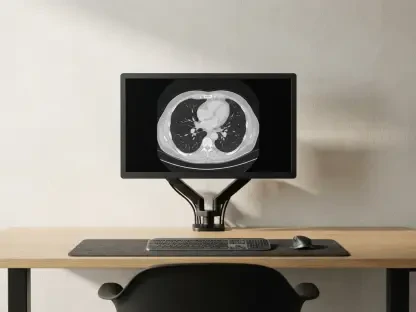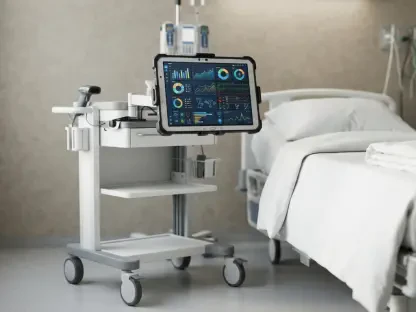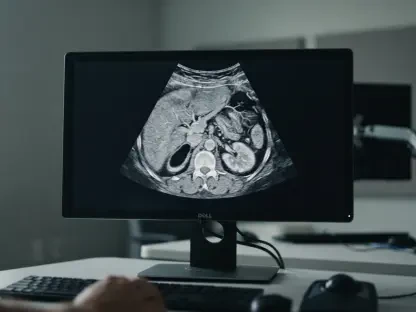

In an era where healthcare professionals face mounting pressures to deliver swift and accurate care amidst rising patient volumes and complex cases, the integration of artificial intelligence (AI) into clinical decision-making has emerged as a game-changer. Wolters Kluwer Health has taken a bold

In a world where mental health challenges are increasingly recognized as a global concern, understanding the factors that influence treatment decisions becomes paramount, especially when cultural differences play such a pivotal role in shaping perspectives. A groundbreaking study from the

Imagine a scenario where an astronaut on a mission to Mars faces a sudden medical emergency, with no possibility of real-time guidance from Earth due to communication delays of up to 20 minutes each way. This stark reality of deep-space exploration has prompted an unprecedented collaboration
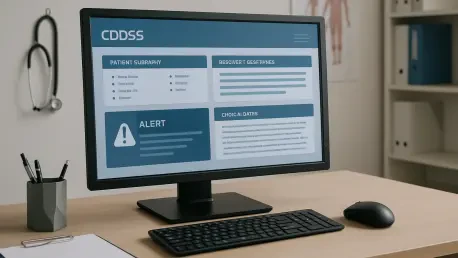
The U.S. Clinical Decision Support Systems (CDSS) market stands at a pivotal moment, with projections indicating a remarkable surge from a valuation of $2.18 billion in 2024 to an astounding $4.84 billion by 2034, driven by a steady compound annual growth rate (CAGR) of 8.3%. This growth trajectory

In the fast-evolving landscape of healthcare, artificial intelligence (AI) has emerged as a potential game-changer, particularly in the high-stakes realm of emergency medicine. Picture a scenario where a patient arrives at an emergency department (ED) with chest pain, and within seconds, an AI tool

In a groundbreaking stride toward global health technology improvement, Seoul National University Bundang Hospital (SNUBH) is actively exporting its advanced hospital information system, BestCARE. Launched in 2008, BestCARE underpins SNUBH's digital transformation agenda, elevating it to a notable