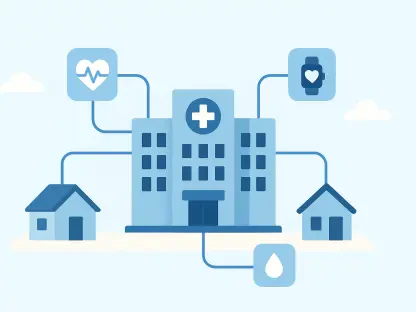

The traditional path to bringing a new medical device to market involves navigating a labyrinthine landscape of regulatory requirements, technical validation, and software engineering complexities that can stall even the most promising clinical innovations. For many healthcare technology firms, the challenge is not just the development of a unique clinical algorithm or hardware sensor, but the immense burden of building the surrounding digital infrastructure that ensures patient safety and data security. Without a standardized approach to these foundational elements, development cycles often stretch into years, consuming capital and delaying life-saving treatments for patients who need them most. Modern medical engineering requires a shift away from bespoke, ground-up software builds toward integrated platforms that offer pre-validated components and a clear roadmap for certification. This systemic efficiency is essential in an era where software-as-a-medical-device and connected health solutions are becoming the primary drivers of patient outcomes and hospital operational efficiency worldwide.
Strategic Foundations: Digital Medical Engineering
Modular Frameworks: Compliance and Integration
One of the primary ways to expedite development is through the utilization of modular software frameworks that provide a high degree of flexibility without compromising the rigorous standards required by global health authorities. By offering a library of pre-built modules for tasks such as user authentication, data encryption, and device connectivity, engineering teams can bypass the initial stages of platform development that often take six to twelve months to complete. These modules are specifically engineered to satisfy ISO 13485 and IEC 62304 standards, providing a level of confidence that is typically absent in generic software development environments. When a company adopts a platform like Camgenium, they are essentially plugging into a refined ecosystem where the structural integrity of the software has already been verified against common failure modes. This allows the internal engineering team to concentrate their efforts on the core proprietary features of the device, such as advanced diagnostics or therapy delivery, rather than reinventing the baseline security and connectivity protocols that are now standard.
Cloud Connectivity: Scalability and Data Security
Beyond the initial code base, the integration of cloud-native services designed for healthcare data processing represents a significant leap forward in reducing the time to market for connected medical devices. These cloud architectures are built to handle the ingestion and storage of vast amounts of sensitive patient data while ensuring compliance with regional privacy laws such as GDPR and HIPAA. By implementing a standardized data schema and secure API gateways, the platform ensures that information flows seamlessly from the edge device to the backend for analysis and then back to the clinician’s dashboard. This robust connectivity is not just about moving data; it is about creating a scalable infrastructure that can grow alongside the user base without requiring a complete system overhaul as demand increases. Furthermore, the use of automated deployment pipelines within this controlled environment minimizes the risk of human error during updates, ensuring that every software iteration remains within the strict parameters defined during the initial regulatory submission.
Market Readiness: Compliance and Scalability
Regulatory Efficiency: Documentation and Safety
Navigating the complex documentation requirements for FDA or CE mark approval is often the most significant hurdle for innovators, yet it is an area where automated systems can provide substantial relief. A specialized development platform integrates the creation of design history files and risk management documentation directly into the engineering workflow, ensuring that every change is tracked and justified in real-time. This proactive approach to regulatory documentation prevents the common bottleneck that occurs at the end of a project when engineers are forced to reconstruct their design decisions from memory or disparate notes. By maintaining a continuous state of audit-readiness, companies can significantly reduce the lead time for regulatory submissions and respond more effectively to inquiries from notified bodies. Moreover, the platform’s built-in support for human factors engineering and usability testing ensures that the final product meets the high standards of safety and effectiveness required by clinicians.
Clinical Transformation: Systemic Impact and Resilience
The integration of advanced development platforms successfully transformed the landscape of medical device engineering by shifting the focus from infrastructure to clinical application. Companies that utilized these specialized tools experienced a notable reduction in their total development costs while simultaneously improving the reliability of their digital health solutions. The strategy proved that the traditional, siloed approach to software and hardware development was no longer the most effective way to address the complexities of modern healthcare. Industry leaders recognized that pre-validated systems provided a safer and faster route to commercialization, allowing them to deliver innovative treatments to the market with greater precision. As these platforms matured, they became the cornerstone of a new era in medtech characterized by rapid iteration and robust safety protocols. Stakeholders who adopted this methodology found themselves better positioned to adapt to changing regulatory demands, eventually establishing a blueprint for a more resilient ecosystem.