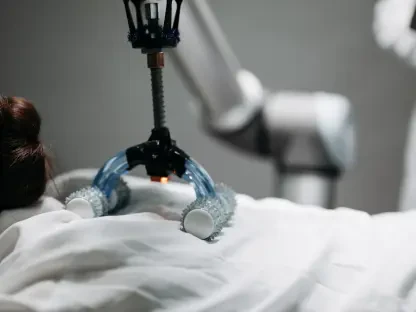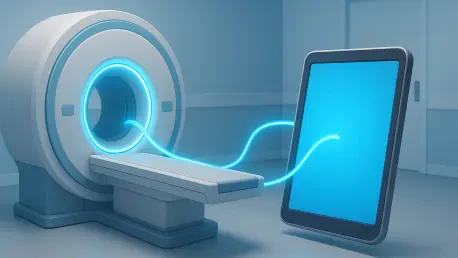

Integrating security features into the initial design phase of medical devices is now more effective than attempting to add protections after deployment. The rise of the Internet of Medical Things (IoMT) represents a fundamental shift in healthcare, blending artificial intelligence and wireless connectivity with traditional medical hardware. This evolution moves medicine away from isolated hospital visits toward a continuous, data-driven ecosystem of patient care. By integrating devices ranging from large-scale MRI machines to life-sustaining internal pacemakers, the medical field is fostering a new era of transparency and precision. This digital transformation is not just a technical upgrade; it is a complete reimagining of how providers and patients interact across the globe. As these devices become more ubiquitous, the need for a standardized approach to their connectivity and protection becomes paramount to ensuring the continuity of care without compromising personal privacy or physical safety. The infrastructure supporting these connections must be as resilient as the medical treatments themselves are effective.
Enhancing Clinical Outcomes: The Global Connectivity Shift
The primary advantage of the IoMT is its ability to extend the reach of healthcare providers far beyond the walls of a clinic. Remote Patient Monitoring (RPM) has become a vital tool for managing chronic conditions, allowing clinicians to track vitals and physiological changes through wearable technology in real-time. This constant stream of data ensures that medical professionals can maintain a pulse on patient health regardless of geographical distance, effectively “super-charging” the capabilities of modern telemedicine. Furthermore, the granular level of data collected allows for personalized treatment plans that were previously impossible under the traditional episodic care model. Patients now have the autonomy to manage their health from the comfort of their homes, while physicians receive automated alerts when biometric thresholds are exceeded. This shift not only improves the quality of life for the patient but also optimizes the resource allocation within clinical settings by reducing the need for unnecessary in-person consultations.
Beyond routine monitoring, connected medical devices are revolutionizing emergency response and logistics. Advanced location tracking and optimized routing for ambulances ensure that high-risk patients receive critical care within the “golden hour” of an emergency. Furthermore, automated systems for medication tracking significantly reduce the risk of human error and non-compliance. These innovations collectively create a more responsive healthcare environment that prioritizes immediate intervention and long-term wellness. In high-stakes environments like intensive care units, synchronized device networks allow for the seamless transfer of patient data across multiple life-support systems. This reduces the cognitive load on nursing staff and minimizes the potential for data entry errors. The integration of logistics into the medical ecosystem ensures that life-saving supplies, such as blood or transplant organs, are tracked with pinpoint accuracy through the entire supply chain, saving precious minutes during complex surgical procedures where every second is vital for success.
Strategic Mandates: Navigating Responsibility and Digital Safety
While the clinical benefits of connected devices are vast, their rapid deployment has introduced significant cybersecurity risks that are often overlooked during the development phase. Engineering teams frequently prioritize medical efficacy and patient outcomes over the security of the device’s wireless interface. This imbalance leaves life-critical infrastructure exposed to potential hacks that could compromise sensitive patient data or, more alarmingly, interfere with the physical functionality of the device itself. The pressure to bring products to market quickly often results in the use of legacy code or third-party libraries that have not been properly audited for modern security threats. When a device is viewed primarily through a clinical lens, the potential for it to serve as a gateway into the broader hospital network is often ignored. This systemic failure to account for the adversarial nature of the digital landscape creates a fragile foundation for the next generation of healthcare, requiring a paradigm shift in how we approach product safety.
The challenge of securing the IoMT is particularly acute in regions where medical innovation often outpaces the development of digital infrastructure. There is a documented lack of confidence in regional cyber-readiness, with many firms expressing doubt in their ability to mitigate digital threats. This disparity between the demand for advanced medical technology and the security of the networks that support them creates a high-stakes environment for both providers and patients. Despite these infrastructure gaps, the market is responding with a massive surge in cybersecurity investment. Spending on healthcare data protection is projected to grow exponentially as stakeholders recognize that current systems are insufficient. From 2026 to 2033, the healthcare cybersecurity market is expected to grow significantly, reflecting a broader consensus that protecting the burgeoning IoMT sector is both a social necessity and an economic priority. This influx of capital is driving the adoption of sophisticated encryption standards and the employment of specialized security personnel.
The industry ultimately moved toward a framework where security was recognized as a fundamental pillar of patient care. Stakeholders realized that the only way to safeguard the future of medical connectivity was to adopt a zero-trust architecture across all clinical networks. Manufacturers and healthcare providers established more rigorous standards for interoperability that mandated end-to-end encryption for all patient data transfers. This collaborative effort effectively closed the gap between clinical efficacy and digital safety. Leaders within the medtech space prioritized the creation of dedicated security response teams that worked in tandem with clinical engineers to monitor device fleets in real-time. These proactive steps ensured that the benefits of the IoMT could be realized without the constant threat of catastrophic failure. The transition to a secure ecosystem was achieved through a combination of regulatory pressure and a market-driven demand for self-securing devices that offered resilient and reliable technology for patients everywhere.