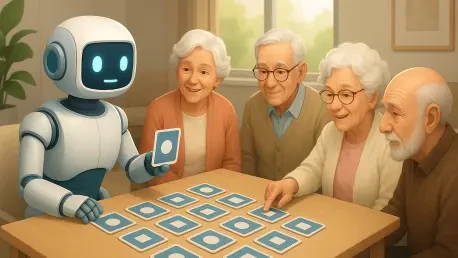

While Miroki functions as a specialized conversational partner, many patients still express a clear preference for the emotional depth of traditional human contact. This juxtaposition defines the current landscape of geriatric care in 2026, where the integration of advanced robotics is no longer a futuristic concept but a daily reality in specialized facilities. At Paris’ Broca Hospital, the implementation of these technologies highlights a critical shift toward non-pharmacological interventions for dementia. The challenge lies in balancing the efficiency of automated systems with the nuanced needs of individuals whose memories are fading. As clinicians observe varying levels of acceptance among residents, the focus remains on how these tools can bridge the gap between medical necessity and emotional comfort. Rather than seeking a total replacement for human staff, researchers are investigating how digital entities can alleviate the crushing workload of caregivers while providing consistent engagement.
Interactive Modalities in Clinical Settings
Cognitive Stimulation Systems
At the forefront of cognitive therapy, the NAO robot has become a staple in clinical settings for its ability to lead residents through complex verbal exercises. By engaging patients in the completion of familiar proverbs or simple memory games, this machine provides a level of patience that human staff may struggle to maintain during repetitive shifts. This specialized form of interaction targets specific neural pathways involved in language and recall, offering a structured environment for psychomotor rehabilitation. Beyond simple responses, these systems are designed to detect hesitation and adjust the difficulty of tasks in real-time, ensuring that the patient feels challenged but not overwhelmed. The goal of using such technology in 2026 is to supplement traditional speech and physiotherapy, allowing for more frequent sessions than a purely human-led schedule could accommodate. These interactions serve as a vital facilitator for maintaining neural plasticity.
Sensory and Tactile Engagement
In contrast to the verbal focus of humanoid units, bio-inspired devices like the Paro robotic seal offer a different therapeutic avenue centered on sensory and emotional grounding. Equipped with an array of sophisticated touch sensors, Paro responds to petting, hugging, and voice commands, mimicking the behavior of a living animal without the logistical difficulties of bringing real pets into a sterile medical environment. For many patients experiencing late-stage Alzheimer’s, the ability to nurture or hold a responsive entity can significantly reduce levels of cortisol and visible signs of distress. This tactile feedback loop provides a sense of companionship that transcends verbal communication, making it particularly effective for those who have lost the ability to speak clearly. By prioritizing the calming effects of physical contact, these robots function as emotional anchors in environments that can otherwise feel clinical and alienating to the residents.
Strategic Implementation and Personalization
Data-Driven Behavioral Management
At the La Septfontoise care home, the introduction of the Livana AI system represents a sophisticated shift toward hyper-personalized care through the use of resident history. Unlike general-purpose robots, this system utilizes specific biographical information—including childhood memories, favorite hobbies, and significant life events—to generate vocal interactions that are uniquely meaningful to each resident. When a patient experiences a period of acute agitation or sundowning, the AI can interject with familiar stories or soothing music tailored to their specific past, often de-escalating tense situations without the need for sedative medication. This data-driven approach allows the technology to act as an extension of the patient’s own identity, providing a continuity of self that is often lost in traditional care settings. By integrating these life stories into the daily routine, healthcare providers are finding that residents remain grounded.
Future Integration of Hybrid Care
The integration of these advanced technologies into dementia care reached a critical turning point as facilities recognized the necessity of a hybrid staffing model. Moving forward from 2026, healthcare administrators adopted strategies that leveraged AI for repetitive cognitive tasks, which successfully freed human nurses to focus on complex emotional counseling. This strategic shift ensured that technology remained a tool for empowerment rather than a source of isolation for the elderly. Clinicians recommended that future implementations prioritize ethical transparency and patient consent, ensuring that the use of data-driven systems remained respectful of individual privacy. Furthermore, institutions established ongoing training programs for staff to manage these robotic partners effectively, viewing them as teammates in a broader therapeutic strategy. By focusing on the unique strengths of both silicon and soul, the overall patient care outcomes were improved.