
A patient residing in a remote rural area who experiences a sudden and severe cardiac arrhythmia relies on a medical alert system that must function flawlessly within seconds to ensure a life-saving response. As global healthcare systems struggle with increasing patient loads and escalating operational costs, the transition toward decentralized care has made digital infrastructure as vital as the physical instruments used by surgeons. Today, connectivity is no longer viewed as a luxury feature for convenience; it has become a mission-critical component of medical device engineering. This fundamental shift ensures that continuous data streams provide clinicians with the real-time insights necessary to manage chronic conditions and prevent acute emergencies. When a device loses its link to the cloud, the consequences extend far beyond a technical glitch, potentially resulting in delayed treatments. Consequently, the industry has prioritized stable networks to safeguard patient health.
Ensuring Reliability Through Design
In the medical sector, the margin for error is incredibly small compared to standard consumer electronics, necessitating a higher standard for network uptime. For devices such as pacemakers and automated defibrillators, a reliable connection has been shown to reduce mortality rates by as much as sixty percent by allowing doctors to act immediately during cardiac events. Because these tools are now a core part of the treatment pathway, the network must be designed with the same rigor as the hardware. If a critical alert is delayed by a weak signal, the window for life-saving intervention could close, making high uptime a non-negotiable requirement. Manufacturers are currently integrating multiple layers of redundancy to ensure that even in areas with poor coverage, the most vital packets of data reach their destination. This engineering focus ensures that the device remains a dependable partner in patient care, maintaining the clinical efficacy of the hardware through every stage of use.
Risks of Tethered Connections
Engineers and manufacturers are increasingly recognizing the inherent risks associated with tethered connectivity models that rely on consumer-grade hardware like smartphones or home routers. In these older configurations, a medical device typically connects via Bluetooth to a patient’s mobile phone, which then transmits data to a central server through a standard cellular or Wi-Fi network. However, this multi-step process introduces numerous points of failure, such as the patient forgetting to charge their phone, disabling Bluetooth, or failing to install critical updates. Furthermore, home Wi-Fi networks are often unstable or lack the sophisticated security protocols required for handling sensitive biological data. These vulnerabilities create significant hurdles for healthcare providers who need consistent monitoring to make informed clinical decisions. By identifying these weaknesses, the industry has moved toward robust, independent connectivity solutions that bypass the unpredictability of patient networking.
Benefits of Embedded Cellular
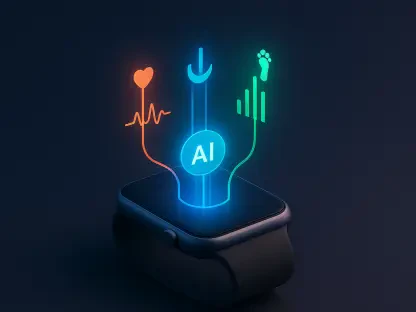
The adoption of embedded cellular technology directly within the hardware represents a significant leap forward in ensuring that medical equipment remains online regardless of the local environment. By integrating specialized modules such as LTE-M or NB-IoT, manufacturers allow devices to connect directly to cellular towers without any intervention from the end user. This autonomous design ensures that life-critical information, such as glucose levels or heart rhythms, is transmitted instantly to the cloud where advanced algorithms can detect anomalies. In high-stakes scenarios, these reliable links have been instrumental in reducing mortality rates by allowing for immediate medical intervention. Building connectivity into the core architecture of the device eliminates the variability of home networks and ensures a high level of uptime that meets the rigorous standards of the healthcare sector. This evolution ensures the technical link remains as resilient as the hardware itself, providing peace of mind to both patients and doctors.
Safeguarding Privacy and Global Care
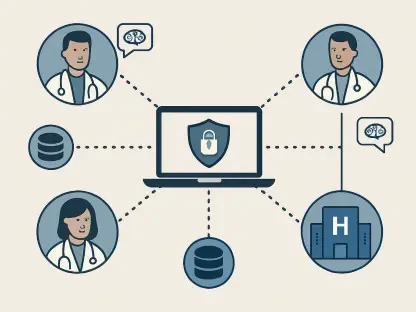
Building on the need for physical reliability, the discussion naturally shifts toward protecting the sensitive information being transmitted across digital networks. With the proliferation of interconnected medical devices, the potential attack surface for malicious cyber activity has expanded, necessitating a sophisticated approach to data protection. Safeguarding patient confidentiality is not only an ethical obligation but also a strict regulatory requirement under frameworks like HIPAA and the GDPR. To mitigate these risks, leading manufacturers are moving away from the public internet in favor of private network paths and custom Access Point Names. By utilizing these isolated tunnels, biometric data is kept separate from general web traffic, significantly reducing the likelihood of unauthorized access. End-to-end encryption serves as an additional layer of defense, ensuring that even if data is captured, it remains unreadable. This comprehensive strategy builds the trust necessary for patients.
Challenges of International Roaming
While local security is paramount, the global nature of modern travel introduces a second layer of logistical complexity for maintaining a consistent standard of medical care. Managing international healthcare delivery requires a connectivity strategy that maintains performance standards across different geographic regions and regulatory environments. Patients are mobile, and a life-saving wearable must function with the same precision in London as it does in New York. Utilizing eUICC technology, which allows for remote SIM provisioning, enables devices to switch between local network carriers automatically without needing physical card replacements. This flexibility is essential for maintaining a continuous stream of data for clinical monitoring programs that serve a global population. Furthermore, navigating diverse regional roaming agreements is a significant hurdle that requires technical expertise and strategic partnerships with global network operators to ensure the uninterrupted data needed for care.
Strategic Pathways for Innovation
This evolution toward global, secure connectivity ultimately redefined the strategic goals of the medical sector, shifting focus from hardware sales to integrated health outcomes. The healthcare industry moved toward a paradigm where the digital integrity of a device carried the same weight as its mechanical reliability. Strategic investments in robust cellular infrastructure and private network architectures addressed the critical gaps in patient safety that once hindered remote care. Stakeholders prioritized the integration of multi-path connectivity to ensure redundancy and prevented single points of failure in high-risk clinical applications. Manufacturers that standardized their global deployments through eUICC technology successfully minimized operational complexities while expanding their reach. It became evident that the success of medicine resided in the seamless fusion of hardware and real-time data analytics. By embracing these advancements, leaders ensured that medical devices remained reliable tools.