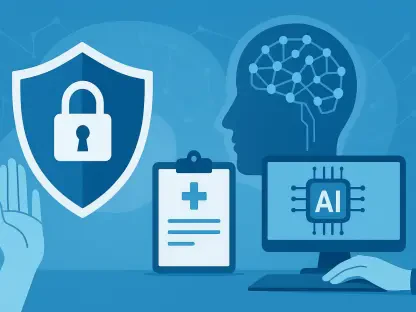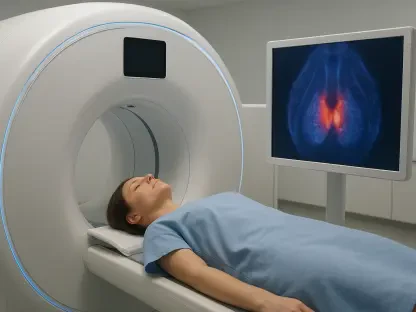

Modern healthcare systems are currently navigating a monumental shift where the sheer volume of patient data generated every second has surpassed the capacity of human cognition to process it effectively without sophisticated digital assistance. The transition from reactive treatment models to predictive health outcomes depends heavily on the ability of medical institutions to leverage historical and real-time information. By focusing on standardized, holistic health records, the industry is creating a foundation that allows for more streamlined operations and better management of public health emergencies. This evolution represents a departure from the fragmented legacy systems of the past, moving instead toward a unified architecture where every data point contributes to a clearer picture of patient wellness. Advanced analytics now serves as the primary engine driving these improvements, ensuring that clinicians can anticipate needs before they become critical for patient safety. This shift not only improves individual care but also fortifies the broader healthcare infrastructure against systemic shocks.
1. Interdisciplinary Integration: Leveraging Cloud Architecture for Connectivity
Data management currently facilitates a seamless collaboration between patients, healthcare providers, and researchers, creating an ecosystem where information flows more freely than ever before. However, the struggle with fragmented information remains a significant hurdle, as data often exists in disparate systems ranging from supply chain management to electronic health records (EHR). When these systems fail to communicate, the resulting lack of visibility can lead to inefficiencies that compromise patient safety and organizational effectiveness. Interdisciplinary teams require a unified view to make informed decisions, yet the technical debt of older infrastructure often creates barriers to this goal. By bridging the gap between clinical data and operational logistics, organizations can begin to see the interconnected nature of their services. This comprehensive approach allows for a more nuanced understanding of how supply chain disruptions might impact surgical schedules or how patient intake rates correlate with pharmaceutical inventory needs.
Implementing cloud infrastructure like data lakehouses allows healthcare organizations to gain deep context from various electronic transactions and clinical notes by combining the flexibility of data lakes with the performance of traditional warehouses. This level of interoperability is essential for building a 360-degree view of the patient experience, as it allows for the correlation of clinical outcomes with administrative processes. Furthermore, activating “cold storage” data, including historical genomics or legacy medical device records, has become a cornerstone of modern predictive modeling efforts. By breathing life into these dormant records, researchers can identify genetic markers or long-term physiological trends that inform personalized treatment plans. However, this increased utility must be balanced with high standards for patient privacy and strict adherence to international data sovereignty laws. Ensuring that sensitive information remains secure while crossing digital borders requires robust encryption and sophisticated access controls.
2. Strategic Implementation: Procedures for Preparing for Analytical Evolution
Preparing for the deployment of advanced analytical tools requires a systematic approach that begins with choosing a specific field where results can be significantly enhanced. Once a target area is identified, the next step involves pinpointing specific weaknesses in operational workflows and treatment approaches that hinder performance. Addressing these deficiencies often necessitates the employment of organizational transformation strategies, ensuring that staff and processes are aligned with new digital capabilities. It is equally important to apply transitional techniques in sectors that will benefit most from the shift, allowing for a phased rollout that minimizes disruption to critical care. This methodology ensures that the adoption of new technology is not just a technical upgrade but a fundamental improvement in how care is delivered. By focusing on areas with the highest potential impact, organizations can demonstrate early successes that build momentum for broader change.
A successful analytical strategy also depends on gaining a clear grasp of information origins, accuracy, and the technical formats used across the organization. This foundational knowledge allows for the building of internal expertise in data analysis and the effective use of modern AI and machine learning medical tools. Without a deep understanding of the underlying data quality, even the most advanced algorithms can produce misleading results. Consequently, institutions must invest in diagnostic platforms that bridge current shortfalls and boost overall performance by providing real-time feedback on data integrity. These platforms serve as a bridge between current operational states and the future of data-driven medicine, ensuring that every insight is grounded in reliable evidence. Cultivating a culture of data literacy among medical professionals further enhances the utility of these tools, as it allows clinicians to interpret analytical outputs with greater confidence. By combining technical proficiency with clinical expertise, providers can maximize the value of their digital investments.
3. Operational Excellence: Envisioning the Impact of AI-Driven Solutions
Addressing clinician burnout has become a top priority, and AI-driven solutions are proving instrumental in forecasting patient volume to better manage staff schedules. By analyzing historical admission patterns and regional health trends, these tools allow administrators to anticipate surges and allocate personnel more effectively. This proactive approach reduces the stress on frontline workers and ensures that patients receive timely attention even during peak periods. Furthermore, automated scheduling systems can account for individual staff preferences and fatigue levels, contributing to a more sustainable work environment. The reduction in administrative burden allows medical professionals to spend more time on direct patient care, which is the primary driver of job satisfaction in the field. As AI continues to refine these operational processes, the overall efficiency of the hospital environment improves, leading to a more resilient workforce. This strategic use of technology benefits the staff and translates to higher standards of care.
Using predictive diagnostics at the point of care provides clinicians with precise insights that can significantly improve the accuracy of early interventions. These tools analyze patient vitals and history in real-time, flagging potential complications before they manifest as acute symptoms. This capability is essential for lowering overhead costs, as it prevents expensive emergency treatments and reduces the length of hospital stays. Moreover, AI-driven solutions promote fair access to high-quality treatment by providing tailored interventions that account for the unique socio-economic and biological factors of each patient. By reducing the reliance on generic treatment protocols, healthcare systems can deliver more personalized care that addresses the specific needs of diverse populations. This move toward precision medicine ensures that resources are utilized efficiently, maximizing the impact of every healthcare dollar spent. The integration of these advanced diagnostics into routine clinical practice represents a major step forward for equitable health outcomes.
4. Practical Implementation: Bridging Potential and Healthcare Reality
The necessity of dismantling information barriers was recognized as an essential step toward unlocking the true value of enterprise data within the clinical setting. It was observed that when legacy silos were removed, the resulting transparency allowed for a more coordinated response to complex medical challenges. Healthcare leaders identified that the mere collection of data was insufficient; the real transformation occurred when that information was made accessible and actionable for frontline providers. Strategic initiatives focused on centralizing fragmented records, which effectively bridged the gap between administrative logistics and patient outcomes. This shift in perspective encouraged a more holistic view of the patient journey, moving away from isolated incidents toward a continuous model of care. The integration of advanced analytical frameworks was seen as a catalyst for this change, providing the technical means to process vast datasets that were previously unmanageable or ignored.
Empowering the right individuals with timely insights ultimately transformed the healthcare landscape, turning theoretical potential into tangible improvements in patient wellness. Decisions that were once based on intuition or incomplete records were replaced by evidence-based strategies derived from comprehensive data analysis. This evolution proved that technology was most effective when it served to enhance, rather than replace, the clinical expertise of medical professionals. The successful adoption of these tools was contingent upon a deep commitment to data integrity and organizational agility, which allowed systems to adapt to rapidly changing medical needs. Looking back, the focus remained on refining these analytical models to ensure they continued to provide value in a dynamic environment. The lessons learned from this transition highlighted the importance of fostering a culture that valued digital literacy as much as clinical skill. By aligning technical capabilities with human-centric goals, the industry established a new standard for medical excellence.