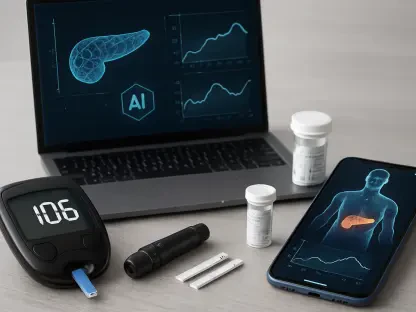
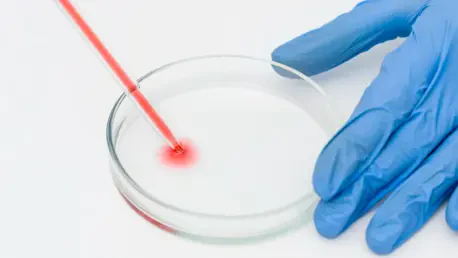
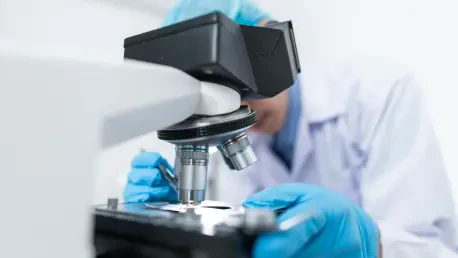
In vitro diagnostic technologies provide medical professionals with a platform to perform tests on biological samples collected from the human body, including urine, blood, and tissue. These treatment devices allow professionals to do research that can enhance health services and improve patient
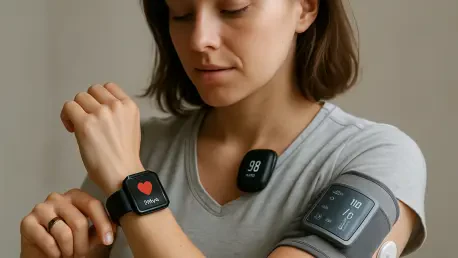
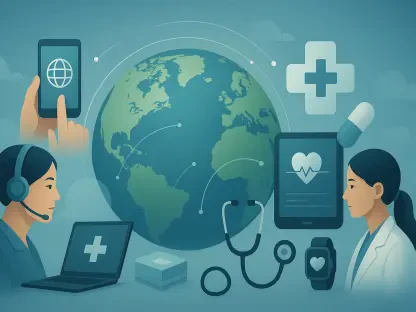
The way people think about health has changed a lot over the last ten years. They don’t just go to the doctor and get checked once a year like they used to. Now, healthcare is literally in everyone’s hands, pockets, arms, and even fingers. Wearable technology has been developed to help people
Every industry has adapted and implemented artificial intelligence, machine learning, and similar technologies where applicable, and healthcare is no different. The sector has taken it one step further and provided these advanced tools directly to its patients. The age of convenience is here.
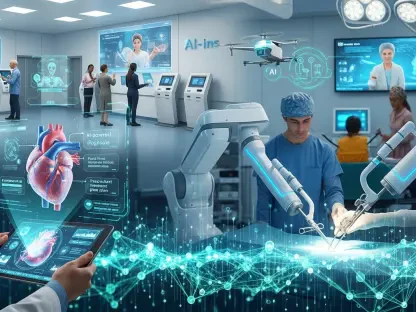
Artificial Intelligence (AI) is already changing many work fields, and healthcare is one of them. But AI's part in medicine is relatively fresh, and experts are still debating its role in the future. A study conducted in 2023 showed that many Americans are uncomfortable with their doctors using

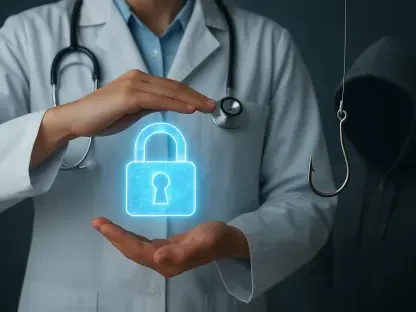
Juggling clinical operations and a maze of legal mandates (from protecting patient records to navigating complex reimbursement protocols) increases the pressure on professionals in the IT industry. One misstep could mean financial penalties, lawsuits, and lasting damage to your business’
Neurotechnology seems to advance by leaps and bounds every day. And one frontier that stands out among the rest is the world of brain-computer interfaces. What was once thought of as “the stuff of science fiction” is quickly becoming a reality for many. Today, scientists are increasingly developing