
The sudden transformation of the American medical landscape through the widespread adoption of personal biometric sensors has fundamentally altered the relationship between patients and their physicians. According to the 2026 Rock Health Survey, the integration of connected devices into daily routines has officially surpassed the threshold of a niche interest, establishing itself as a central component of modern wellness management. This transition signifies more than just a consumer trend; it represents a systemic shift toward data-driven autonomy where individuals maintain a constant digital vigil over their biological markers. For many years, the promise of remote patient monitoring remained a theoretical goal for the industry, yet current metrics suggest that the infrastructure for this reality has finally crystallized into a functional ecosystem. As the volume of real-time data continues to expand, the traditional boundaries of clinical care are dissolving, making way for a model where health is measured by long-term trends.
Widespread Ownership and the Expanding Digital Divide
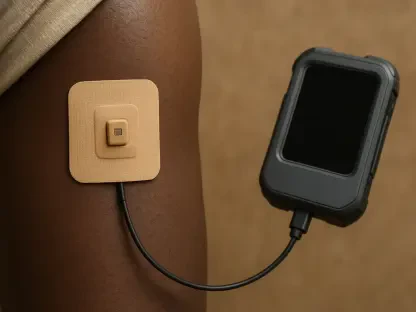
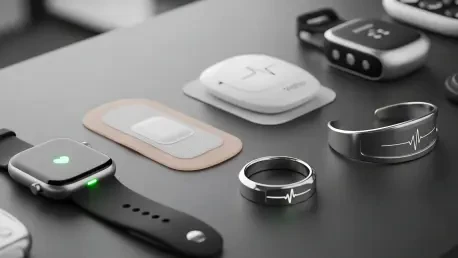
Nearly sixty percent of American adults now possess at least one connected health device, marking a staggering leap from the modest thirteen percent ownership rate recorded just a decade ago. This rapid expansion encompasses a diverse array of hardware, ranging from standard smartwatches and sleek biometric rings to specialized medical-grade instruments like continuous glucose monitors and Bluetooth-enabled blood pressure cuffs. The current wave of adoption is characterized by a significant change in user behavior; whereas previous gadgets often gathered dust in drawers, today’s consumers demonstrate intense engagement with their technology. Most users wear these devices around the clock, creating a continuous stream of longitudinal data that captures every heartbeat, sleep cycle, and physical movement. This persistent tracking reflects a profound cultural shift toward proactive health awareness as people move away from reactive treatments in favor of understanding their baseline physiology through the lens of sensors.
Despite the impressive statistics regarding overall market growth, a significant demographic disparity persists in terms of who actually has access to these life-enhancing technologies. Detailed analysis reveals that the current user base is predominantly composed of individuals who are younger, wealthier, and generally healthier, creating a noticeable digital divide across the country. This concentration of technology among low-risk populations means that the individuals who could benefit most from continuous monitoring are often the ones with the least access to it. Vulnerable populations, particularly the elderly living on fixed incomes and those residing in under-resourced rural areas, face substantial financial and technical barriers that prevent them from participating in this digital revolution. Without targeted interventions, the gap between the technologically empowered and the medically underserved will continue to widen, potentially exacerbating existing health inequities instead of resolving them through innovation.
Bridging Clinical Gaps and the Role of Federal Policy
As patients increasingly arrive at appointments armed with months of personal heart rate and sleep data, the medical industry finds itself struggling to adapt its infrastructure to this new reality. Healthcare providers are often overwhelmed by the sheer volume of information presented to them, as traditional clinical workflows are not designed to process thousands of data points gathered outside of a controlled environment. There is a palpable tension between the patient’s desire for data-driven insights and the physician’s need for medically actionable information that fits within the limited time of a standard consultation. Many doctors remain cautious about integrating consumer-generated data into their diagnostic process due to lingering concerns over the liability associated with missing critical events in a massive dataset. Furthermore, without standardized formats for data sharing, the information often remains siloed within proprietary apps, making it difficult for clinicians to view a holistic picture.
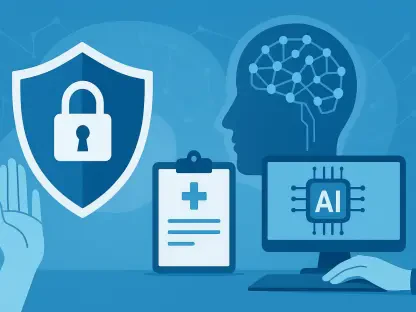
Federal policy makers recognized the necessity of fostering an environment where innovation could flourish while maintaining rigorous safety standards for all users. The Food and Drug Administration implemented streamlined pathways that allowed wellness-focused monitors to reach the market with greater speed, provided they met specific accuracy benchmarks. Simultaneously, the Centers for Medicare and Medicaid Services initiated pilot programs that subsidized the cost of connected devices for patients managing chronic conditions like diabetes. Stakeholders focused on establishing universal data standards to ensure that information from a smartwatch could be seamlessly ingested by an electronic health record. They promoted the development of ethics-first data privacy policies to protect users from the unauthorized sale of sensitive biological information. These actions collectively transformed the healthcare system into a proactive model that prioritized early detection and significantly improved equitable access.