
The tyranny of distance in the Australian interior has historically dictated the quality of healthcare individuals receive, but this paradigm is shifting rapidly as psychiatric services migrate to robust digital environments. For a resident in the Kimberley or the Pilbara, seeking a face-to-face consultation with a psychiatrist once meant days of travel or waiting months for a flying doctor visit. Today, however, the implementation of advanced telehealth nodes and 5G-enabled mobile clinics has transformed the landscape of mental health accessibility across the continent. These innovations are not merely providing a digital alternative to traditional therapy; they are redefining the standard of care through high-fidelity video conferencing and integrated biometric monitoring. By leveraging the latest in satellite internet technologies and secure cloud computing, medical providers are ensuring that the most vulnerable populations no longer face the isolation that often exacerbates complex psychiatric conditions in remote settings.
Technological Infrastructure: Advancements in Digital Diagnostic Frameworks
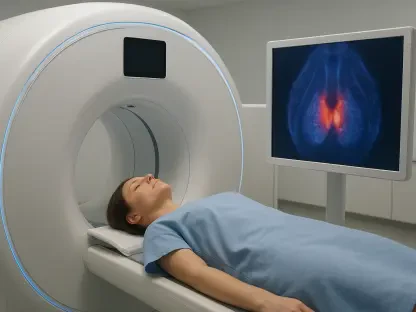
Digital platforms now utilize sophisticated algorithms to assist clinicians in identifying subtle behavioral markers during virtual sessions, providing a layer of diagnostic support that was previously unavailable in traditional settings. These tools analyze vocal patterns and facial micro-expressions in real time, offering psychiatrists data-driven insights into a patient’s emotional state during a consultation. This technology is particularly effective for monitoring long-term conditions like bipolar disorder or treatment-resistant depression, where small changes in speech cadence can signal a potential episode. Furthermore, the integration of wearable devices allows for the continuous collection of physiological data, such as sleep patterns and heart rate variability, which is then securely transmitted to the provider’s dashboard. This holistic view of a patient’s daily life enables more precise medication adjustments and intervention strategies, bridging the gap between monthly check-ups and the reality of day-to-day symptom management.
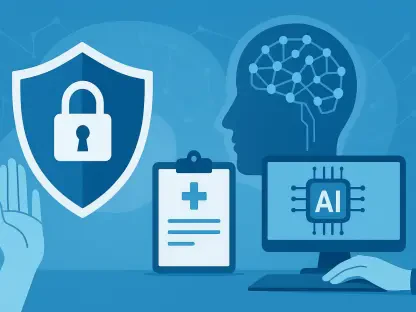
Security remains a primary focus of these technological developments, with end-to-end encryption and decentralized data storage protocols protecting sensitive patient information. As psychiatric care moves further into the cloud, the Australian Digital Health Agency has established rigorous standards for interoperability between private telehealth platforms and the national electronic health record system. This ensures that a psychiatrist in Melbourne can seamlessly access the medical history of a patient located in a remote mining town, provided the necessary consents are in place. The use of blockchain technology for identity verification has also reduced the risk of data breaches, fostering a higher degree of trust among users who may have been skeptical of digital medicine. By creating a secure and highly functional ecosystem, the medical community has successfully encouraged a broader demographic to engage with psychiatric services, significantly reducing the stigma associated with seeking help for mental health challenges.
Systemic Evolution: Strategic Implementation and Future Goals
The transition toward a digitally-centric psychiatric model required a significant overhaul of the existing Medicare billing framework to ensure financial viability for practitioners. Beginning in 2026, the federal government expanded subsidies for long-form telehealth consultations, acknowledging that complex mental health assessments require the same level of reimbursement as physical examinations. This policy shift incentivized more specialists to offer virtual hours, effectively increasing the available pool of psychiatrists for rural regions by over thirty percent. Additionally, community-led initiatives in Western Australia and the Northern Territory integrated these virtual services into local health hubs, where patients could access high-speed terminals and receive support from on-site nurse practitioners. This hybrid model ensured that while the specialist was remote, the patient still felt connected to a tangible support network, blending the efficiency of technology with the comfort of localized, personal care and community involvement.
The successful pilot programs across New South Wales and Queensland demonstrated that digital interventions could maintain patient retention rates comparable to in-person visits. Stakeholders recognized that the integration of artificial intelligence for preliminary screenings allowed psychiatrists to focus on acute cases, effectively reducing wait times by nearly forty percent. This shift encouraged the federal government to stabilize the Medicare billing codes, ensuring that tele-psychiatry remained a permanent fixture of the national health strategy. Medical schools also updated their curricula to include specialized modules on virtual bedside manner and remote crisis management, preparing the next generation of practitioners for a distributed care model. These steps ensured that the geographical barriers of the past remained obsolete, fostering a more equitable distribution of mental health resources throughout the nation. Moving forward, the focus turned toward enhancing cross-border data portability to ensure continuity of care.