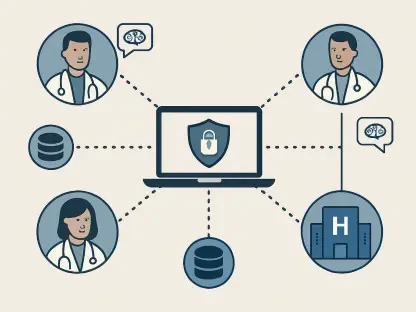

South Korea’s healthcare landscape is currently navigating a pivotal transition as the government moves to permanently integrate remote medical services into the national framework by late 2026. While the initial pivot toward digital health was born from necessity during global disruptions, the transition to a permanent legal structure has sparked a fierce debate between state regulators and the private entities that facilitate these connections. The Korea Telemedicine Industry Council, which represents the primary technology platforms, is actively challenging a series of newly proposed restrictions that they argue will stifle innovation and ignore the practical needs of millions of citizens. This tension highlights a fundamental disagreement over how to balance public safety with the undeniable efficiency of modern digital tools. As the Ministry of Health and Welfare finalizes subordinate regulations for the upcoming medical law, the industry remains adamant that current proposals fail to reflect the empirical data collected over years of successful operations.
Restrictive Policies and Their Impact on Chronic Care
The Seven-Day Limitation Dilemma
One of the most contentious points in the new regulatory framework involves a proposed seven-day cap on prescriptions for patients during their initial remote consultation. The Ministry intends for this measure to act as a safety buffer, yet industry leaders argue that such a rigid timeline is fundamentally incompatible with the treatment of chronic conditions. Statistics gathered by platform providers indicate that while eighty percent of users are technically labeled as first-visit patients within the digital system, approximately sixty percent are actually seeking ongoing management for long-term issues like hypertension and diabetes. For these individuals, a one-week supply of medication is insufficient, as their standard care cycles typically require thirty to ninety days of treatment to maintain physiological stability. Forcing these patients to return to a physical clinic every week for a new prescription effectively eliminates the convenience that telemedicine was designed to provide. Moreover, this policy could inadvertently increase the burden on brick-and-mortar hospitals by driving stable patients back into crowded waiting rooms for routine refills.
Challenges in Managing Specialized Treatments
The regulatory push also includes a controversial ban on prescribing non-reimbursable medications, specifically targeting treatments for conditions like androgenetic alopecia, commonly known as hair loss. The Korea Telemedicine Industry Council emphasizes that these medications are not merely cosmetic options but essential therapies that require strict adherence to maintain their clinical efficacy. If a patient is forced to discontinue their regimen due to sudden accessibility barriers, the progress made over months or even years of treatment can be reversed in a matter of weeks. By imposing administrative bans on these specific pharmaceutical categories, the government is essentially overriding a physician’s professional judgment regarding a patient’s individual needs and health history. Industry advocates argue that this sets a dangerous precedent where bureaucratic mandates take precedence over clinical decisions made during a private consultation. This approach risks alienating a significant portion of the population that has grown to rely on the digital format for discreet and consistent access to necessary, albeit non-subsidized, medical care.
Evidence-Based Policy and the Path Forward
Safety Records versus Perceived Risks
To counter the narrative that stricter regulations are necessary for public safety, the industry has brought forward significant empirical evidence demonstrating the reliability of remote services. During the provisional authorization period that led up to 2026, over thirty-six million consultations were conducted across various platforms, yet the Ministry of Health and Welfare’s own records show that only five medical incidents were officially reported. This incredibly low complication rate suggests that the safety concerns currently being used to justify heavy-handed restrictions are statistically unfounded and do not reflect the actual performance of the sector. When comparing these figures to traditional in-person care, the data implies that telemedicine is not only safe but highly effective at triaging patient needs without increasing systemic risk. The Council maintains that any new legislation should be rooted in this hard evidence rather than political compromises intended to appease traditional medical and pharmaceutical interest groups. Without a focus on science-based institutionalization, the legal framework risks becoming an obsolete barrier to a technology that has already proven its value and safety to the South Korean public.
Establishing an Inclusive Consultative Framework
Looking toward the immediate future of the digital health sector, the primary objective for stakeholders remained the establishment of a formal consultative body that included platform operators. The previous exclusion of these companies from policy discussions led to a disconnect between legislative intent and the operational reality of the healthcare market. To rectify this, the industry proposed a collaborative model where data from millions of digital interactions could inform smarter, more flexible regulations that adapted to changing patient behaviors. By integrating the technical expertise of platform providers with the clinical oversight of the government, South Korea could have secured its position as a global leader in health technology. This proactive approach sought to replace rigid administrative caps with dynamic monitoring systems that ensured both safety and accessibility. The final outcome of this dispute suggested that successful digital transformation required a shift away from traditional lobbying toward a more transparent, data-driven dialogue. This transition ensured that the national healthcare system remained resilient, responsive, and capable of meeting the diverse needs of its aging population while fostering a competitive domestic tech ecosystem.