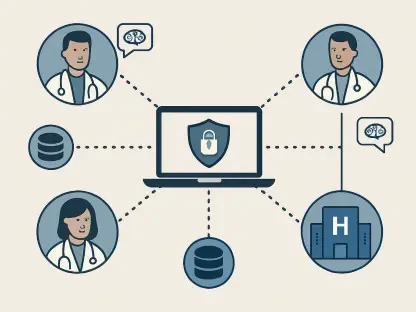

Navigating the chaotic sea of mobile wellness applications has become an overwhelming challenge for both clinicians and patients who seek reliable digital therapeutic interventions. With thousands of mental health tools populating digital storefronts, the difficulty lies in distinguishing evidence-based solutions from those that offer little more than aesthetic appeal. To address this critical gap, the American Psychological Association launched the APA Labs Digital Badge Solutions Library, a centralized repository that functions as a verified directory for high-quality psychological technology. This platform serves as a vital resource for users seeking assurance that their chosen software adheres to stringent clinical and ethical standards. By introducing a Digital Badge credential, the organization established a clear indicator of safety and efficacy in an otherwise unregulated environment. This move represents a significant shift toward professional accountability, ensuring that technology serves as a legitimate extension of mental health care. The searchable database provides a streamlined interface where professionals can verify the credentials of various apps before recommending them to their clients, thus bridging the gap between clinical expertise and consumer-facing technology. This initiative marks a pivotal moment in the evolution of digital healthcare by prioritizing data integrity and psychological soundness over mere market popularity.
Strengthening Standards: Multi-Disciplinary Oversight
The assessment framework governing this library involves far more than a cursory review of technical documentation or developer claims. Managing Director Tanya Carlson emphasized that the vetting process utilizes a multi-disciplinary team, including licensed psychologists, health technology engineers, and data privacy experts, who conduct hands-on testing of every submission. This rigorous evaluation ensures that each tool, such as StarStarter for Anxiety or Calm Health, meets precise requirements for evidence-based practice and user security. By synthesizing diverse professional perspectives, the organization provides a comprehensive seal of approval that technical reviews alone could not achieve. The initial rollout featured six foundational tools, including PepperChat and BrightCanary Parental Controls, spanning categories from pediatric care to mindfulness. These selections demonstrate the library’s breadth, offering validated solutions for various demographics and psychological needs. As more developers seek this credential, the database will likely grow into an essential industry benchmark. The oversight provided by APA experts in psychological science ensured that the featured tools aligned perfectly with both clinical standards and modern regulatory requirements. This level of scrutiny addressed the urgent need for a structured reference point that separates scientifically backed tools from the vast array of unverified options currently available on the global market.
The implementation of this credentialing system provided a necessary blueprint for the future of digital health integration. Stakeholders throughout the mental health sector recognized that transparency regarding data privacy and clinical efficacy remained the primary barrier to widespread adoption. To capitalize on this development, healthcare providers prioritized the use of badged applications in their treatment plans to ensure patient safety and data protection. Developers focused their efforts on aligning their software with these high standards, moving away from unverified claims toward validated psychological outcomes. This strategic shift fostered a more reliable ecosystem where innovation and ethics coexisted successfully. Patients utilized the library to take control of their digital well-being, selecting tools that had been proven effective by independent experts rather than by marketing budgets. The establishment of this repository simplified the decision-making process, allowing the industry to move toward a more standardized and trustworthy model of remote behavioral support that benefited the entire therapeutic community. Moving forward, the integration of these verified tools into standard medical records and therapeutic workflows helped solidify the role of technology in modern practice. This systematic approach effectively reduced the risks associated with data breaches and ineffective treatments while empowering users to make better choices for their mental health.