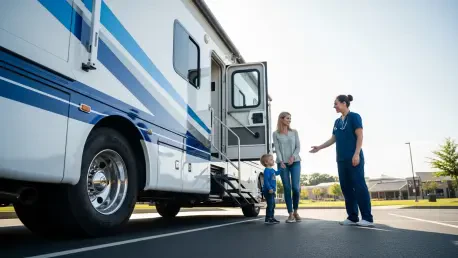

In a decisive move to dismantle the geographic and financial barriers that frequently impede pediatric medical care, RWJBarnabas Health and Union County officials recently introduced a state-of-the-art mobile unit. This innovative clinic on wheels arrived as a response to a critical need for equitable healthcare delivery in neighborhoods where traditional medical facilities remain out of reach for many families. By deploying this resource, the health system aims to revolutionize how preventive services are accessed, ensuring that every child receives essential checkups regardless of their socioeconomic standing. The launch, which took place in June, reflects a sophisticated evolution of the successful pilot programs previously seen in Essex County. This regional expansion demonstrates a long-term commitment to public health that prioritizes flexibility and direct community engagement. As the unit begins its rotation, it serves as a beacon of progress in the ongoing effort to close the gap in pediatric health outcomes across New Jersey.
Expanding Clinical Access: The Mobile Innovation Strategy
The mobile unit is scheduled to travel through several key municipalities, including Elizabeth, Plainfield, Linden, Union Township, and Rahway, to offer a comprehensive suite of clinical services. Families in these areas now have the opportunity to schedule routine physicals, developmental screenings, and necessary immunizations in a familiar environment. This strategy effectively transforms the traditional healthcare model by bringing the clinic to the patient rather than requiring the patient to navigate complex transit systems to reach a hospital. The medical team on board is equipped to handle everything from standard wellness exams to specialized screenings that can identify early signs of developmental delays. By providing these services directly within the community, the program ensures that children remain compliant with school health requirements while catching potential medical issues before they become serious. This proactive approach significantly reduces the strain on emergency rooms and urgent care centers throughout the county.
Beyond immediate clinical care, the mobile unit functions as a vital educational hub for parents and caregivers who may lack access to reliable health information. Every visit includes a component of health literacy, where medical professionals discuss nutrition, sleep hygiene, and long-term wellness strategies tailored to the specific needs of each child. This educational outreach empowers families to take an active role in their children’s health, fostering a culture of prevention rather than just reaction. The unit also serves as a bridge to more specialized care, as staff can facilitate referrals to the broader RWJBarnabas Health network if a child requires advanced intervention. By integrating education with clinical practice, the initiative ensures that the impact of a single visit lasts far longer than the appointment itself. This model of community-integrated care is essential for building trust in the medical system, particularly in underserved populations that have historically faced significant barriers to accessing quality healthcare.
Integrated Health Strategies: Socioeconomic Support Systems
This mobile health initiative is a cornerstone of the broader “Our Healthy Communities” program, which explicitly targets the social determinants of health that affect long-term patient outcomes. RWJBarnabas Health has dedicated a substantial $151 million reinvestment into these community-based outreach efforts, recognizing that factors like housing, transportation, and food security are just as critical as clinical medicine. The mobile unit addresses the transportation barrier directly, but it also acts as a portal for families to connect with other essential social services. Staff on the unit are trained to identify families who may be struggling with non-medical challenges and can provide direct connections to local resources. This holistic view of health acknowledges that a child’s well-being is deeply connected to their environment. By investing in mobile infrastructure, the health system is effectively hedging against the high costs associated with chronic diseases that often stem from a lack of early, consistent, and integrated medical intervention.
The operational success of this program depends heavily on the collaborative efforts between health system administrators and local civic leaders, including Senate President Nicholas Scutari. These partnerships ensure that the mobile unit’s schedule aligns with the actual needs of the residents, placing the clinic at community centers, schools, and local events where foot traffic is highest. Union County Commissioners have played a pivotal role in coordinating these logistics, emphasizing that public-private partnerships are the most efficient way to maximize the impact of available resources. Furthermore, the unit complements existing specialized projects, such as the street medicine initiatives at Trinitas Regional Medical Center, which focus on the most vulnerable segments of the population. This unified approach creates a seamless safety net where various programs work in tandem to address both immediate medical needs and systemic lifestyle challenges. Through this cooperation, the county is establishing a more resilient public health framework that can adapt to changing demographics.
Enhancing Regional Wellness: The Academic Network Impact
As the largest academic health system in New Jersey, RWJBarnabas Health leverages an immense pool of resources and expertise to support these localized outreach efforts. With a network of 14 hospitals and thousands of affiliated physicians, the organization provides a robust foundation for mobile initiatives that would be difficult for smaller entities to sustain. In Union County, the synergy between the new mobile unit and established facilities like Robert Wood Johnson University Hospital Rahway ensures a high standard of care. This institutional strength allows the mobile clinic to offer pediatric expertise that is usually reserved for major academic medical centers, bringing top-tier talent directly into residential neighborhoods. The system’s ability to process data across its vast network also means that the mobile unit’s impact can be measured and optimized in real-time. This data-driven approach ensures that the health system remains agile, allowing administrators to redirect resources to where they are most needed as health trends evolve within the state.
The implementation of the Union County Mobile Pediatric Health Unit demonstrated that true medical equity required a shift from static facilities to dynamic community engagement. It was determined that successful health initiatives needed to prioritize consistent scheduling and deep integration with neighborhood leaders to maintain the trust built during the initial rollout. Stakeholders observed that scaling these mobile clinics across various municipalities provided a concrete solution to the problem of declining immunization rates in both urban and suburban corridors. The program suggested that the most effective way to sustain pediatric wellness involved continuous data tracking to adjust service routes based on emerging local needs and patient feedback. By analyzing the outcomes of these visits, administrators confirmed that removing the burden of travel was the single most influential factor in increasing patient compliance with preventive care. These findings served as a blueprint for other healthcare systems looking to modernize their public health delivery models and improve outcomes for the next generation.