
Hospital emergency rooms often face a seasonal surge in admissions as temperatures drop and respiratory viruses begin to circulate more widely among the general population. The integration of high-fidelity remote monitoring systems has fundamentally changed how providers manage these seasonal spikes by allowing patients with chronic conditions to remain in their homes while receiving continuous clinical oversight. These systems utilize cellular-enabled medical devices that transmit real-time data to centralized command centers, where algorithms flag subtle changes in vital signs before a crisis occurs. By reducing the physical traffic in hospitals, healthcare systems are better equipped to handle acute emergencies without compromising the quality of care for vulnerable populations. This proactive approach ensures that the most at-risk individuals receive immediate intervention based on physiological data rather than waiting for symptoms to become debilitating during the coldest months of the year.
Technical Infrastructure: The Backbone of Virtual Health
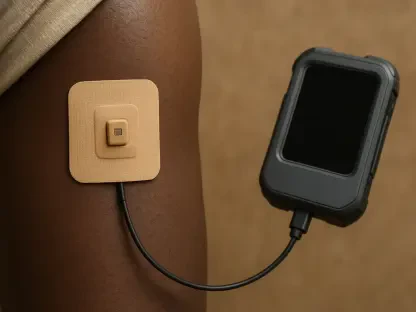
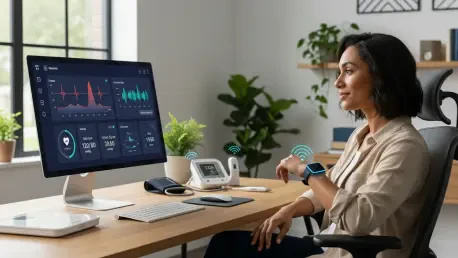
Advanced sensor technology now enables the collection of clinical-grade data from non-invasive wearable devices that track oxygen saturation, heart rate variability, and blood pressure with extreme precision. These devices connect seamlessly to cloud platforms using encrypted 5G or narrowband IoT networks, ensuring that patient data remains secure while being accessible to medical professionals around the clock. The current iteration of these platforms incorporates machine learning models that have been trained on millions of data points to recognize the early indicators of a flare-up in chronic obstructive pulmonary disease. These predictive analytics are crucial during the winter months when environmental factors like poor air quality and cold air can rapidly worsen lung function. Instead of relying on manual data entry, the system automatically captures and analyzes information, providing a comprehensive longitudinal view of a patient’s health status. This level of automation reduces the burden on both users and clinicians.
Implementation strategies have shifted toward providing all-in-one kits that require zero configuration from the end-user to accommodate elderly patients who may not be digitally savvy. These kits often include a tablet with a pre-installed interface that serves as a communication hub for telehealth visits and educational resources regarding winter wellness. By 2026, the interoperability between different device manufacturers and major electronic health record systems has improved significantly, allowing for a unified view of patient history and current vitals. This connectivity ensures that if a patient does require hospitalization, the emergency department already has access to several weeks of baseline data recorded in the home environment. The transition from home monitoring to acute care becomes a data-driven process where clinicians are not starting from scratch but are instead building on a detailed record of the patient’s physiological trajectory. Such technical synergy is vital for maintaining care continuity when facilities are full.
Clinical Efficiency: Optimization of Resource Allocation
Hospital systems are increasingly utilizing remote monitoring to implement “hospital-at-home” programs that allow for the early discharge of patients who still require significant clinical observation. During the winter, this freeing up of physical beds is essential for managing the influx of acute cases while maintaining high standards for post-surgical or recovering patients. Clinicians can monitor multiple patients simultaneously through sophisticated dashboards that prioritize alerts based on the severity of the data deviation. This triage system ensures that medical staff focus their attention on the most critical cases first, effectively expanding the reach of a single nurse or physician. Research conducted throughout the 2026 to 2028 period has indicated that patients monitored remotely often experience faster recovery times due to the comfort of their home environment and the reduced risk of hospital-acquired infections. The psychological benefits of being in a familiar setting also contribute to better medication adherence.
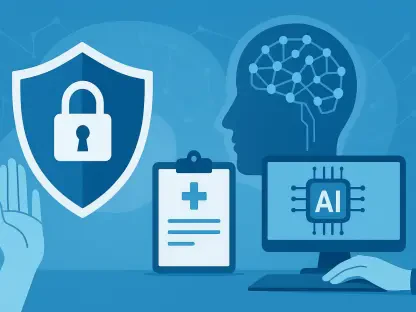
Stakeholders determined that the most effective path forward involved the standardization of data formats across all monitoring platforms to ensure universal compatibility. It was recommended that healthcare organizations prioritized the training of specialized remote response teams who were dedicated solely to managing virtual patient loads. These teams successfully utilized the winter data to identify specific demographic groups that required more intensive support during sub-zero temperatures. Furthermore, the decision was made to integrate behavioral health screenings into the remote monitoring routine to address the seasonal affective issues that often complicated physical recovery. Moving forward, providers found that the most resilient systems were those that combined high-tech monitoring with high-touch human interaction through scheduled virtual check-ins. It was also established that consistent investment in cybersecurity measures was non-negotiable for maintaining patient trust. These actions transformed the way seasonal challenges were handled.