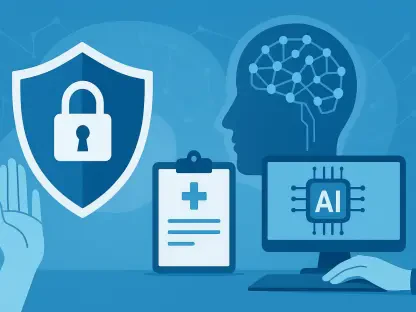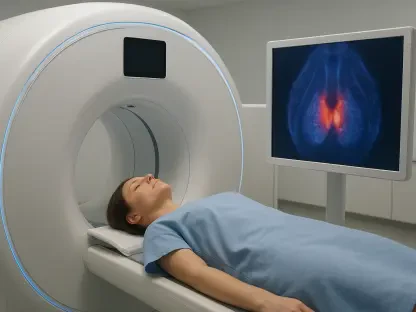

The traditional landscape of the American medical system is undergoing a radical transformation as millions of patients now prioritize the immediate availability of digital intelligence over the logistical hurdles of setting up an office appointment. Recent data reveals that artificial intelligence has transitioned from a specialized technological curiosity into a foundational resource for a substantial portion of the population. Nearly half of all individuals in the United States currently leverage these sophisticated tools to navigate their personal health journeys. A recent study highlights that over seventy percent of respondents interacted with an AI platform for health-related inquiries within a single thirty-day period. This rapid adoption suggests that the reliance on automated systems is not merely a passing trend but a structural change in how health information is consumed. While many users treat these tools as a secondary source, a growing segment increasingly views them as a primary gateway to medical knowledge.
Barriers Driving the Rise of Digital Diagnostics
The emergence of what experts term “doctor avoidance” is perhaps the most significant revelation in the current healthcare climate, with millions choosing to bypass professional consultations entirely. Statistical analysis indicates that approximately fourteen percent of AI users—representing roughly fourteen million citizens—forwent a physical visit to a healthcare provider because of information generated by an algorithm. This behavior is largely symptomatic of deep-seated systemic challenges within the traditional medical model rather than a simple preference for technology. For many, the prohibitive cost of a standard office visit serves as a primary deterrent, making the free or low-cost nature of digital tools an irresistible alternative. Furthermore, the lack of flexibility in standard business hours and the difficulty of securing timely appointments drive patients toward platforms that offer instantaneous feedback. These digital solutions provide a sense of control and accessibility that the legacy system often fails to deliver in a modern society.
Beyond financial and logistical constraints, the shift toward artificial intelligence is frequently motivated by the quality of previous interactions with human medical professionals. A notable portion of the population reports feeling dismissed or misunderstood during traditional consultations, leading them to seek the objective and tireless nature of a computer interface. This trend is particularly evident in the investigation of physical symptoms and the pursuit of guidance regarding nutrition and exercise, which account for nearly sixty percent of all health-related queries. Patients also utilize these platforms to decode complex medical records or research the side effects of prescribed medications with a level of detail that a brief office visit might not accommodate. This desire for comprehensive data is empowering a new generation of patients who arrive at the clinic—if they go at all—with a much higher level of informed skepticism and a clearer understanding of their own biological indicators and potential health outcomes.
Navigating the Intersection of Safety and Innovation
While the technological advancement of medical algorithms offers unprecedented convenience, the integration of these tools into everyday life necessitates a careful balance between empowerment and safety. Nearly half of the individuals using such platforms reported a significant increase in confidence when discussing their health with professionals, which can foster a more collaborative diagnostic environment. Additionally, more than twenty percent of users credited digital tools with identifying potential health concerns much earlier than they would have through conventional check-ups. However, the inherent risks associated with self-diagnosis through unverified models cannot be overlooked, as the long-term clinical accuracy and safety of these automated suggestions remain under intense scrutiny. The immediate challenge for the medical community involves establishing clear guidelines for the use of such technology to ensure that it acts as a robust supplement rather than a hazardous replacement. Ensuring that patients can distinguish between information and a validated clinical diagnosis is essential.
The transformation of the American healthcare experience reached a critical juncture as the widespread adoption of digital health tools forced a fundamental reassessment of the patient-provider relationship. To address the potential for misinformation, stakeholders recognized the urgent necessity for standardized regulatory frameworks that could certify the reliability of health-focused algorithms. Educational initiatives were expanded to help medical professionals integrate patient-generated AI data into their workflows, thereby enhancing rather than replacing the expertise of trained physicians. Systems that prioritized the synchronization of digital findings with professional oversight were shown to provide the highest level of patient safety and satisfaction. Moving forward, the focus shifted toward creating a hybrid model where technology removed the barriers of cost and time while the human element remained the final authority on complex interventions. By embracing this evolution, the industry ensured that the benefits of accessibility were never achieved at the expense of clinical excellence.