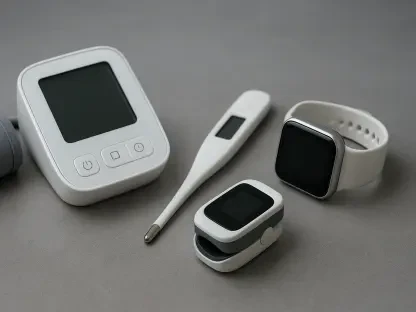

The rapid evolution of healthcare technology has fundamentally altered the way millions of individuals manage chronic conditions through the use of sophisticated wearable devices that provide constant biometric feedback. These tools, including continuous glucose monitors and insulin pumps, have transitioned the medical field from a reactive model of treating symptoms to a proactive system of data-driven wellness. However, as these devices become more deeply integrated into the American healthcare infrastructure, they create an unprecedented vulnerability in the nation’s security framework. Unlike standard consumer electronics, medical-grade wearables are directly linked to sensitive insurance databases and healthcare provider portals, creating a vast and permeable attack surface. The intimacy of the biological data collected—ranging from blood sugar levels to metabolic patterns—presents a unique opportunity for foreign adversaries to gain strategic leverage or conduct large-scale surveillance on the citizenry.
Economic Pressures and Federal Procurement Vulnerabilities
A significant portion of the current risk stems from the structural design of the Centers for Medicare and Medicaid Services Competitive Bidding Program. While the primary objective of this initiative is to reduce the burden on taxpayers by encouraging market competition, its heavy reliance on identifying the lowest possible price point has created a massive opening for Chinese manufacturers. These state-linked companies often benefit from significant government subsidies, allowing them to offer hardware at rates that American and allied competitors cannot match without incurring severe losses. This financial disparity essentially forces the federal government to prioritize short-term cost savings over long-term security considerations. By selecting providers based almost exclusively on price, the procurement process inadvertently subsidizes the integration of potentially compromised technology into the personal lives of millions of Medicare beneficiaries, many of whom have no choice but to use the devices provided.
The systemic erosion of the domestic manufacturing base represents a critical threat to the overall integrity of the healthcare supply chain. When Chinese firms dominate the market through predatory pricing, they effectively hollow out the capabilities of domestic innovators who are held to much higher safety, labor, and environmental standards. This dependence on a hostile foreign power for essential medical hardware creates a scenario where the health of American citizens is tied to the strategic whims of the Chinese Communist Party. Experts have pointed out that “cheap” technology often carries a hidden cost that far exceeds its initial purchase price, particularly when that technology is physically attached to a human body. The long-term consequence of this trend is a weakened industrial base that is less capable of responding to national emergencies, leaving the United States vulnerable to supply chain disruptions and political blackmail that could jeopardize the continuous care of patients.
Geopolitical Strategy and the Necessity of Reform
The concerns surrounding Chinese-manufactured medical devices are not merely theoretical, as they are grounded in the specific legal and strategic frameworks of the Chinese state. Under existing laws in Beijing, all domestic companies are required to cooperate with national intelligence agencies, providing the government with a legal mandate to access any data collected by these firms. This means that biological information from American patients could be utilized for profiling, blackmail, or long-term strategic analysis by a foreign adversary. Documented instances of security flaws, such as backdoors in the Contec CMS8000 patient monitor, illustrate the potential for remote code execution that could manipulate vital signs or even result in fatal medical errors. These vulnerabilities transform a life-saving device into a potential weapon or a tool for digital espionage, allowing an adversary to bypass traditional cyber defenses by exploiting the trusted connections between a wearable and a hospital network.
Recognizing these urgent risks, a bipartisan coalition of lawmakers has begun pushing for significant reforms to the way medical technology is vetted and purchased. The proposed legislative framework seeks to implement a five-year moratorium on the inclusion of high-risk devices, such as insulin pumps and continuous glucose monitors, in the competitive bidding process. This “cooling-off” period was designed to give federal regulators sufficient time to establish rigorous cybersecurity standards and verify the transparency of supply chains before these devices are distributed on a massive scale. To ensure the safety of the public, the government shifted its focus toward providers who operate in a transparent manner and demonstrate a clear commitment to U.S. data protection laws. By the end of this transition, it became evident that the true value of medical innovation was inseparable from the security of the hardware itself, necessitating a shift toward procurement policies that prioritize the long-term sovereignty of American health data.
In the recent landscape of medical policy, the reconciliation of health innovation with national security became a defining challenge for federal authorities. The transition away from low-cost, high-risk procurement reflected a broader understanding that patient privacy and national sovereignty are inextricably linked in the digital age. Moving forward, the implementation of localized manufacturing incentives and the mandatory auditing of device firmware served as the new standard for all medical hardware entering the domestic market. Policymakers realized that the biological integrity of the population could not be traded for budgetary convenience, and as a result, they moved to decouple critical health infrastructure from the influence of hostile states. This shift was not merely a defensive measure but a proactive strategy to foster a secure, resilient ecosystem where technological progress serves the patient without compromising the nation. By prioritizing verified, secure supply chains, the healthcare sector effectively closed a dangerous chapter of vulnerability.