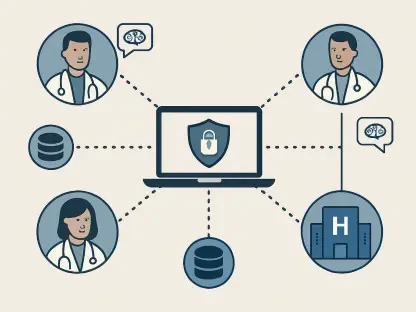

For childhood cancer survivors who have already faced grueling treatments, the long-term risk of secondary malignancies like colorectal cancer represents a significant medical hurdle that requires lifelong vigilance. Despite clinical guidelines from the Children’s Oncology Group recommending frequent screenings starting at a young age, a persistent gap remains between medical advice and patient adherence. The ASPIRES trial, spearheaded by researchers at the University of Chicago, recently examined whether mobile technology could serve as a catalyst for behavioral change among high-risk individuals. By moving beyond traditional mailers and phone calls, this study explored the potential of tailored digital outreach to “activate” survivors who might otherwise overlook their increased risk profile. This digital evolution aims to simplify complex medical requirements into manageable, actionable steps via smartphones, reflecting a broader shift in how chronic health conditions are managed in a hyper-connected era.
Trial Methodology: Testing the Impact of Outreach
The trial structure involved 300 adult survivors from the Childhood Cancer Survivor Study who were classified as overdue for their colorectal cancer screenings. The research team divided participants into three distinct experimental groups: a control group receiving standard care summaries, a group receiving tailored digital outreach including text messages and short videos, and a third group that combined digital outreach with direct messaging to the survivor’s primary care provider. This approach was designed to isolate the impact of direct patient interaction versus a model that involves a clinical intermediary. By focusing on survivors who were not already following the recommended screening timeline, the trial sought to address the specific inertia that often prevents high-risk individuals from scheduling invasive procedures like colonoscopies. Each participant’s journey was tracked over a twelve-month period to ensure longitudinal accuracy.
Trial Results: Assessing the Effectiveness of Mobile Alerts
Data from the trial indicated that direct digital communication was exceptionally potent, nearly tripling the likelihood of a survivor completing their screening compared to those in the control group. Specifically, approximately 32% of those who received the tailored mobile prompts successfully navigated the screening process within a year, whereas only 14% of the control group did so. Involving primary care providers did not yield a statistically significant improvement over the patient-only digital approach. This suggests that the complexity of medical coordination might actually introduce friction into the process, whereas empowering the patient directly allows for a more streamlined path to completion. By removing the need for a physician to act as a primary motivator, these mobile tools demonstrate a capacity to reduce the administrative burden on clinical staff while simultaneously achieving better outcomes.
Demographic Shifts: Bridging Information and Education Gaps
A deeper investigation into the demographics of the participants revealed that the digital intervention was most effective for individuals with a high school education or less. For this specific subgroup, the odds of completing a screening increased more than fourfold when compared to similar individuals in the control group. This outcome underscores the potential of mobile health tools to serve as an equalizer in healthcare, bridging educational gaps by providing clear, visual, and highly accessible information. Traditional healthcare communication often relies on dense, text-heavy brochures that may be difficult to navigate, but the use of short videos and direct text messages bypasses these barriers. By presenting health risks and necessary actions in a format that is easily digestible on a handheld device, the intervention empowered survivors who might have otherwise felt overwhelmed by the complexities of the medical system.
Persistent Obstacles: Identifying Logistical and Awareness Barriers
Despite the clear success of mobile outreach, the study also cast a harsh light on the persistent challenges that prevent a full recovery in screening rates. Many survivors reported that logistical hurdles, such as the difficulty of scheduling appointments and the time-intensive nature of the preparation for colonoscopies, remained significant deterrents. Furthermore, a portion of the participants expressed a lack of awareness regarding the intensity of their specific risk, highlighting a need for even more personalized education. For those managing multiple chronic health conditions, the added burden of another screening often felt insurmountable within an already crowded medical schedule. These findings suggest that while digital tools are a powerful first step, they must be integrated with broader systemic improvements, such as simplified scheduling platforms, to reach the remaining portion of the high-risk population.
Scalable Solutions: Refining Future Digital Care Models
The success of the ASPIRES trial points toward a future where low-cost, scalable digital tools are a fundamental component of survivorship care plans. Researchers are already looking at how to refine these tools by incorporating interactive artificial intelligence that can answer patient questions in real-time or address specific anxieties about the screening process. Furthermore, the potential to combine reminders for multiple types of screenings—such as mammographies or skin exams—into a single digital dashboard could further simplify the healthcare journey for cancer survivors. By centralizing these requirements, technology can help patients maintain a holistic view of their health without feeling inundated by disconnected notifications. Automated reminders at a low marginal cost make this approach attractive for modern health systems looking to improve preventive care metrics across the board.
Strategic Implementation: Establishing New Standards for Survivorship
The implementation of targeted mobile interventions successfully demonstrated that direct patient engagement is a critical factor in improving screening compliance for childhood cancer survivors. This study provided a clear roadmap for healthcare providers to move away from passive communication and toward active, technology-driven outreach strategies that prioritized the patient’s convenience. Clinical teams recognized that reducing the reliance on primary care intermediaries often expedited the screening process, allowing survivors to take full ownership of their preventive health. To build on these findings, medical institutions focused on integrating these mobile prompts directly into electronic health records to ensure seamless data flow. Future efforts looked toward refining the content of digital messages to better address the psychological barriers associated with medical surveillance. The healthcare community worked to ensure that childhood survivors were protected from preventable diseases.