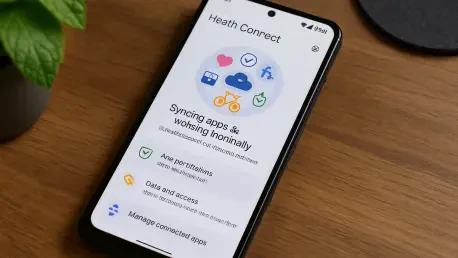

Digital wellness enthusiasts have long struggled with the frustrating reality of having their biometric data siloed within dozens of disconnected fitness applications and hardware ecosystems, leading to inconsistent metrics and redundant battery drain. While Apple has managed to maintain a cohesive ecosystem with its HealthKit framework, the Android landscape remained a fragmented territory where smartwatches, smart scales, and sleep trackers often refused to communicate effectively with one another. Google Health Connect emerged as the critical infrastructure designed to dissolve these barriers, acting as a standardized intermediary that allows diverse applications to read and write data from a centralized on-device repository. This shift marks a significant departure from the old cloud-to-cloud synchronization methods, which were notoriously unreliable and frequently plagued by authorization errors or delayed updates. By providing a unified set of permissions and a common data language, the platform promises to turn a collection of disparate apps into a comprehensive health dashboard that reflects a user’s daily physiological state.
Overcoming the Fragmentation of Android Wellness Data
The Architecture of a Unified Health Hub
At the core of this transformation is a sophisticated set of Application Programming Interfaces that eliminate the need for developers to build individual integrations for every wearable device on the market. Historically, an app developer would have to write custom code to sync with Fitbit, then another set for Garmin, and yet another for Samsung Health, creating a maintenance nightmare that often left smaller apps behind.
Health Connect simplifies this by offering a single point of entry where data types like heart rate, oxygen saturation, and basal metabolic rate are stored in a standardized schema that any authorized application can access. This modularity ensures that when a user switches from a Pixel Watch to a specialized medical-grade pulse oximeter, their historical data remains intact and accessible to their preferred coaching or nutrition platforms, ensuring a seamless experience across hardware generations.
Security Protocols and Data Sovereignty
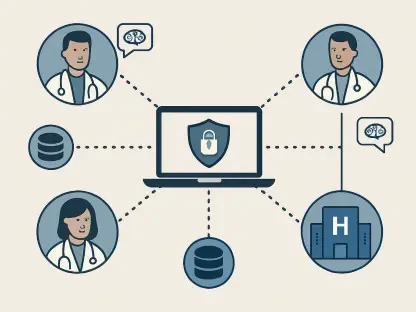
Data privacy has become the paramount concern for modern users who are increasingly wary of how their sensitive medical information is handled by third-party corporations and advertising agencies. Google Health Connect addresses these anxieties by moving the primary data storage from the cloud directly onto the local hardware of the Android device, providing a physical layer of security that was previously absent.
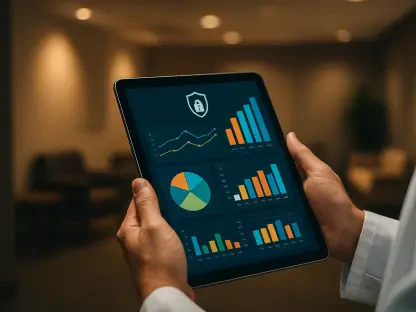
Users are granted granular control through a centralized dashboard where they can see exactly which applications have requested access to specific categories, such as sleep stages or blood glucose levels, and can revoke those permissions at any moment. This localized approach not only enhances privacy but also significantly reduces the latency involved in data retrieval, as apps no longer need to wait for a remote server response to update a user’s progress or notify them of potential health fluctuations.
Integrating the Diverse Ecosystem of Digital Health
Streamlining Communication Between Competing Apps
The true measure of success for any platform lies in its ability to foster cooperation among competing software developers who traditionally viewed their data as a proprietary asset rather than a shared resource. Major fitness players like Strava, MyFitnessPal, and Oura have integrated these protocols to allow for a seamless exchange of information that benefits the end user’s holistic view of their personal performance.
For instance, a morning run recorded on a Garmin device can now instantly inform a nutrition app about caloric expenditure, which in turn updates a recovery coach app regarding the necessary rest period for the following day. This level of interconnectivity removes the manual entry tasks that often lead to user burnout and data abandonment, keeping people engaged with their long-term health goals through automation and higher accuracy.
Predictive Analytics and Personalized Monitoring
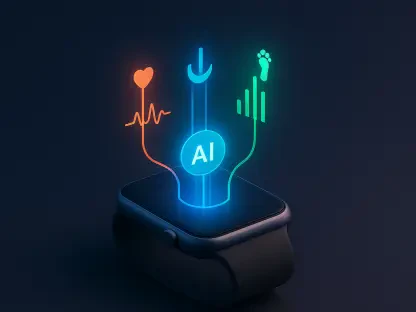
The transition to a unified data architecture proved to be the essential precursor to the sophisticated predictive analytics that revolutionized the wellness industry and changed how users interacted with their devices. Doctors and personal trainers previously had to piece together a puzzle of incomplete charts, but they eventually relied on a continuous stream of high-fidelity data that provided a nuanced view of patient health between clinical visits.
Developers refined these algorithms to detect early warning signs of cardiovascular issues or metabolic shifts before they manifested as chronic conditions, leveraging the aggregated data for proactive interventions. Users were encouraged to regularly audit their permission settings to ensure they shared data only with apps that provided tangible value, which successfully shifted the industry toward a model where the device was a vital partner in maintaining long-term vitality through data-driven decisions.