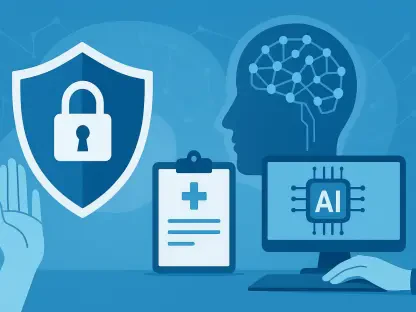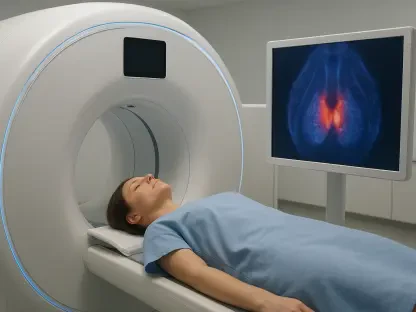

A growing number of individuals are now bypassing traditional doctor appointments in favor of immediate, automated consultations provided by sophisticated large language models and generative artificial intelligence platforms. This shift represents a fundamental transformation in how the general public interacts with the healthcare system, as millions of users daily turn to digital interfaces to interpret complex blood work or diagnose persistent physical symptoms. The appeal of these systems lies in their ability to synthesize vast amounts of medical literature into conversational prose, offering a semblance of clarity that was previously only available through years of specialized education. However, as this technology becomes deeply embedded in personal health management, the distinction between a helpful digital assistant and a dangerous source of misinformation begins to blur significantly. The widespread adoption of these tools creates a paradox where accessibility increases while the reliability of the information provided may actually decrease for the average user who lacks medical training.
The Factors Driving AI Medical Integration
Systemic Pressures: Healthcare Strain
The primary catalyst for the current reliance on artificial intelligence in the medical field stems from the immense strain on contemporary healthcare infrastructures. In the period from 2026 to 2028, the shortage of primary care physicians has led to ballooning wait times, often forcing patients to wait weeks for a basic consultation. This systemic bottleneck, combined with the rising costs of private healthcare services, has created a vacuum that technology companies are eager to fill. By offering what appears to be a no-cost, instant alternative to a human doctor, these AI platforms act as a first-line diagnostic tool for those who feel ignored by a slow-moving bureaucracy. Consequently, individuals use these chatbots not just for convenience, but out of perceived necessity, relying on algorithms to determine if their physical ailments are worthy of the financial and temporal investment required for professional medical intervention. This economic and logistical reality makes digital alternatives almost irresistible for a frustrated public.
Psychological Comfort: Digital Interactions
Beyond the logistical challenges of modern medicine, psychological factors significantly drive the popularity of health-oriented chatbots among diverse demographics. Users often report a sense of relief when receiving an immediate response from a digital entity, as the ambiguity of a lingering symptom is replaced by the confident, authoritative tone of a machine. This perceived expertise provides a unique form of comfort, allowing patients to discuss sensitive or potentially embarrassing issues in a judgment-free environment where human social pressure is entirely absent. The anonymity of a screen creates a safe space for inquiries that might otherwise go unasked during a brief, face-to-face clinical encounter. This sense of psychological security, however, can be deceptive, as the emotional reassurance provided by the chatbot does not necessarily correlate with the clinical accuracy of its output. The comfort of the interaction often masks the underlying risks associated with self-diagnosis through unverified and unregulated software platforms.
Accuracy Risks and Clinical Hazards
Digital Hallucinations: Factuality Issues
The most pressing technical concern regarding generative AI in medicine is the phenomenon of digital hallucinations, where models present false information with absolute certainty. Research from institutions like Oxford University has demonstrated that these platforms are highly sensitive to the specific phrasing of a query, meaning that two slightly different ways of asking about a symptom can yield radically different medical advice. For instance, a patient might receive a benign explanation for chest pain in one interaction and a dire warning in another, simply based on the syntax used. This lack of consistency poses a severe hazard, as the average person cannot distinguish between a response grounded in medical literature and one fabricated by the predictive nature of the language model. Because these models prioritize linguistic coherence over factual veracity, they often create plausible-sounding but entirely incorrect medical explanations that can lead users to make dangerous decisions regarding their personal long-term health.
Emergency Recognition: Diagnostic Failures
AI systems frequently struggle to recognize the critical nuances required for accurate clinical judgment, particularly when symptoms overlap between minor and major conditions. Unlike a human physician who uses physical observation and context to triage a patient, a chatbot relies exclusively on the text provided, which may be incomplete or misleading. This diagnostic gap becomes life-threatening when an algorithm fails to identify the “red flag” symptoms of an acute emergency, such as an atypical presentation of a stroke or an allergic reaction. By providing a false sense of security for what might be a serious condition, the software can cause patients to delay seeking urgent care at a hospital, turning a treatable event into a permanent tragedy. The absence of a real-world feedback loop means the AI cannot correct its mistakes in real-time, leaving the user vulnerable to the inherent limitations of a system that lacks actual medical training, physical perception, or any real sense of professional accountability.
Privacy Implications and Cybersecurity Threats
Data Persistence: Permanent Records
The integration of personal health data into commercial AI platforms introduces a permanent digital footprint that poses long-term risks to individual privacy. Every interaction with a medical chatbot is recorded and stored, often becoming part of a massive dataset used to further train the underlying machine learning models. This means that highly sensitive details about a person’s chronic illnesses, reproductive health, or genetic predispositions are potentially retained indefinitely by private corporations. Even when data is ostensibly anonymized, advanced re-identification techniques can sometimes link these health details back to specific individuals, leading to a permanent loss of confidentiality. Since medical history is an immutable part of an individual’s identity, any breach or exposure of this information cannot be rectified like a stolen credit card number. The persistence of this data creates a vulnerability that could be exploited by future employers, insurers, or other third parties who might gain access to these digital repositories.
Regulatory Loopholes: Security Gaps
Current regulatory frameworks are struggling to keep pace with the rapid deployment of health-focused AI, leaving significant loopholes that cybercriminals are eager to exploit. Many consumer-facing AI services operate outside the strict purview of health privacy laws, which were originally designed for traditional medical providers rather than software developers. This regulatory gap means that the vast amounts of medical data collected by these apps are often subject to less stringent security standards, making them a lucrative target for identity theft and insurance fraud. As health information is shared among advertisers and data brokers, the likelihood of a catastrophic data breach increases, potentially exposing millions of users to financial and social harm. The lack of clear oversight also means that users have little recourse when their data is misused or when a platform’s security measures fail. Without a robust legal structure that treats AI-driven medical data with the same gravity as hospital records, personal privacy remains in a state of constant peril.
Strategic Paths for Safe Digital Health
The development of standardized protocols for the verification of medical algorithms became a critical priority for health authorities and technology developers alike. Experts recognized that the only way to mitigate the inherent risks of automated diagnosis was to implement rigorous peer-review processes and transparent data handling practices. Government agencies sought to close existing regulatory gaps by introducing updated privacy protections that explicitly covered health information shared with non-medical software entities. Simultaneously, healthcare systems focused on improving patient education to ensure that individuals understood the limitations of digital triage tools compared to professional clinical oversight. Hospitals and clinics also worked to integrate these AI systems into supervised workflows rather than allowing them to operate as standalone diagnostic authorities. These collective efforts established a more secure environment where the benefits of rapid information retrieval did not come at the expense of patient safety or the fundamental right to medical privacy.