
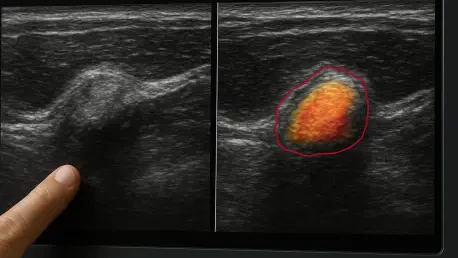
Traditional imaging methods like DECT and MRI offer high accuracy for gout diagnosis but remain limited by their high cost and lack of portability. In the management of advanced gout, the presence of tophi—dense accumulations of monosodium urate crystals—serves as a definitive marker of disease

Even when individuals understand the risks of improper drug storage, shifting entrenched domestic habits like monitoring expiration dates remains a difficult behavioral challenge. The accumulation of expired, damaged, or unused pharmaceutical products in private residences has grown into a
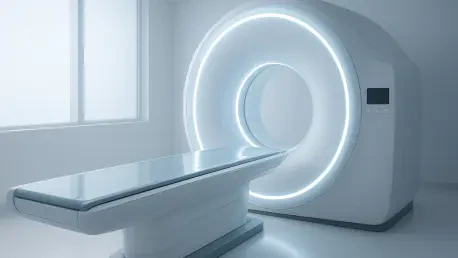
Total-body PET/CT represents a fundamental shift in medical physics, moving the industry away from the rigid trade-offs between image quality and scanning speed. For decades, the nuclear medicine community has been constrained by the physical limitations of short-axial field-of-view (SA-FOV)

Automated agents within the platform are now capable of identifying missed opportunities for value-based quality metrics and preventive screenings during the point of care. This milestone marks a significant shift for Elation Health as it formalizes its end-to-end revenue cycle management solution,
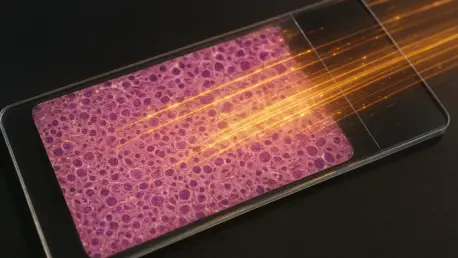
Advanced machine learning models are now capable of interpreting preoperative MRI scans to identify highly aggressive liver tumors before a surgical incision is ever made. This breakthrough, originating from a significant multicenter research initiative in China, represents a pivotal shift in how
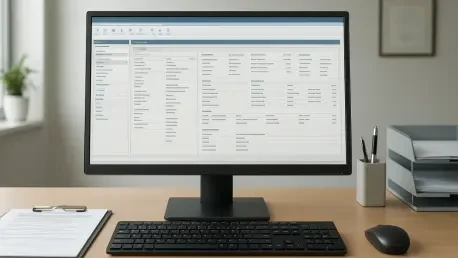
Actionable intelligence gathered from these informal workarounds reveals a significant need for software engineering fixes that prioritize the actual movement of clinical labor over data rigidity. The United States Department of Veterans Affairs is currently navigating a monumental shift in its

Arriving at a medical facility forty-five minutes early provides the necessary time to request and scrutinize paper versions of electronic consent forms. In the landscape of 2026, medical data has become one of the most valuable commodities in the digital economy, often traded between providers,
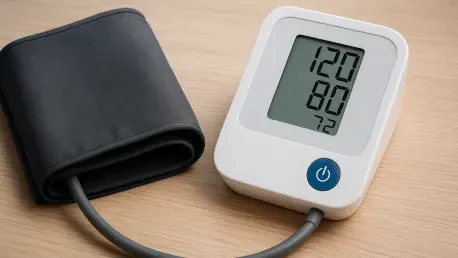
Medical professionals have long sought a passive monitoring solution that can identify nocturnal hypertension and the cardiovascular stress caused by sleep apnea. For decades, the standard for tracking cardiovascular health has relied on the intermittent use of inflatable arm cuffs. While these
When a modern physician enters an examination room today, they are no longer just competing with time and fatigue but with a tidal wave of medical data that grows more complex every single hour of every single day. The doubling time of medical knowledge has shrunk from decades to mere weeks,

Traditional medical devices often function as passive data loggers, requiring patients to wait weeks or months for a specialist to interpret their physiological information. This static approach creates a significant lag between data collection and clinical action, leaving individuals in a state of


