

The digital landscape of federal employment is currently experiencing a profound shift as the Office of Personnel Management attempts to centralize the most intimate details of millions of civil servants. Late last year, the agency introduced a controversial Information Collection Request that

From Novel Spark to Standard of Care: Why PFA Dominated HRS 2026 Conference corridors hummed as pulsed field ablation shifted from curious novelty to default workflow, widening ablation eligibility, compressing case times, and rearranging competitive expectations across a roughly $16B

Families who expected a routine pharmacy pickup or a standard follow-up appointment instead found collection threats, frozen prescriptions, and five-figure balances piling up over months as back-office flags and mismatched files undercut promises that Tricare’s transition was complete and stable.

CliniciansaccustomedtotreatingX-raysasobjectiveanchorsinuncertaincasesaremeetingagenerativeAIfakethatlookseverybitrealonthefirstpassandstilldefieseasyverificationonthesecond. A peer-reviewed study found that text-to-image models can fabricate chest radiographs so anatomically plausible that

Record-setting health care fraud takedowns and lab-centered prosecutions have reset the compliance baseline, forcing diagnostics leaders to prove that every dollar paid and every test billed can withstand statutory, clinical, and coding scrutiny. Momentum from the Department of Justice’s 2025
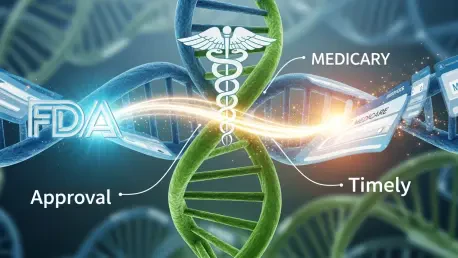
A device can clear the FDA and still spend years in limbo before Medicare agrees to pay for it, a gap that has drained momentum from breakthrough technologies and stranded value for patients, providers, and investors alike. The Regulatory Alignment for Predictable and Immediate Device (RAPID)