

The rapid shift from static AI models to autonomous, agentic systems has fundamentally altered the clinical landscape, leaving traditional regulatory frameworks struggling to remain relevant in a world where software now makes independent medical decisions. Current healthcare environments are

Federal oversight from the Office of the National Coordinator now mandates that laboratories treat finalized reports as electronic health information subject to non-blocking rules. This regulatory pivot marks the end of an era where diagnostic data was sequestered within a strict medical hierarchy.
As drug discounts become a rapidly expanding financial liability for manufacturers, the push for program integrity is reshaping the operational landscape of American healthcare. The federal 340B program, once a quiet mechanism for supporting safety-net clinics, has transformed into a massive

When a generic chatbot suggests an incorrect medication or diagnostic path, the lines of responsibility between the software provider, the clinician, and the hospital remain dangerously undefined. This uncertainty is the byproduct of shadow AI, where clinicians utilize consumer-grade tools that
International healthcare groups often apply higher privacy standards in jurisdictions with strict regulations like GDPR while leaving users in other regions vulnerable to data harvesting. This reality has come to the forefront following a deep-dive investigation into Doctoralia, a dominant force in
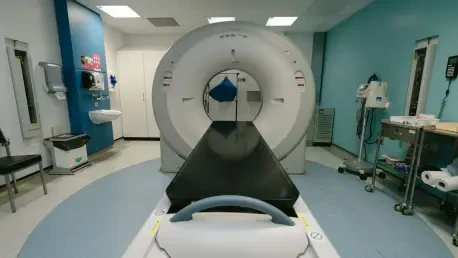
Medicare’s Procedure Price Lookup tool often fails to show the full cost difference because it compares hospitals to surgical centers instead of freestanding imaging offices. This discrepancy often leaves patients blindsided by bills that are significantly higher than expected for routine