
Fraudulent equipment orders signed by telemedicine doctors who never examined their patients have resulted in more than thirty million dollars in false claims against Medicare and TRICARE. This systemic abuse of the healthcare infrastructure reflects a significant challenge in 2026, where the rapid
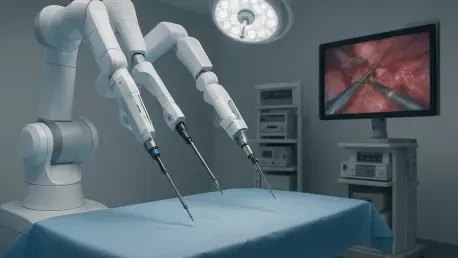
Powell Valley Healthcare CEO Todd Sandberg has identified the acquisition of a da Vinci Surgical System as a critical step for maintaining parity with neighboring medical facilities. This initiative represents a significant evolution in the regional healthcare landscape of the Big Horn Basin, where

Adversaries are currently executing harvest-now, decrypt-later attacks by stealing encrypted medical records to unlock them once quantum computing matures. This specific threat model transforms the traditional understanding of data breaches, as the value of healthcare information does not degrade

Transitioning from a one-size-fits-all imaging model to precision medicine requires the integration of spectral technology to optimize individual patient exposure thresholds. This evolution marks a significant departure from the historical reliance on generalized protocols that often prioritized

The state’s multi-faceted investment strategy addresses the intersection of advanced medical technology, personnel retention, and accessible health insurance for all citizens. This initiative represents a profound shift in regional governance priorities under the administration of Governor Sheriff
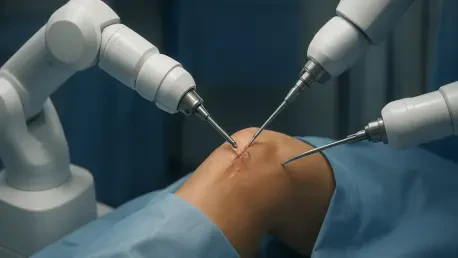
While the long-term survivorship of implants may benefit from better alignment, current research shows no functional difference in the short-term post-operative window. This observation presents a complex challenge to the rapid adoption of robotic-assisted total knee arthroplasty, which has often