
The global medical community currently faces a profound paradox where the hazardous byproducts of nuclear energy are becoming the most sought-after ingredients for next-generation oncology treatments. While nuclear waste was historically viewed as a multi-generational liability requiring secure subterranean storage, contemporary breakthroughs in radiopharmaceutical science have redefined these materials as invaluable medical assets. The urgency of this transition is driven by a massive surge in demand for targeted alpha therapies, which utilize high-energy particles to destroy malignant cells with microscopic precision while sparing healthy tissue. However, the existing infrastructure for producing these isotopes is severely strained, leading to a worldwide supply shortage that threatens the rollout of life-saving drugs. By tapping into legacy stockpiles and decommissioned equipment, researchers are effectively bridging the gap between the atomic age’s environmental challenges and the future of personalized healthcare. This shift represents more than just a scientific curiosity; it is a fundamental restructuring of the nuclear fuel cycle to support a multi-billion dollar pharmaceutical industry.
The Mechanics of Extraction: From Radioactive Waste to Precision Medicine
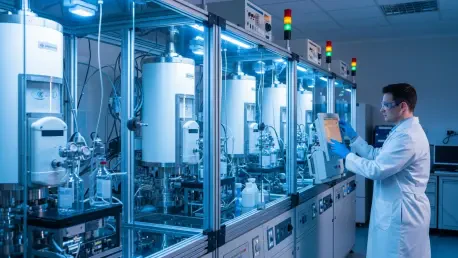
Central to this industrial evolution is the United Kingdom National Nuclear Laboratory, where specialized facilities are used to extract medical-grade isotopes from materials originally intended for power generation or legacy stockpiles. The process often involves the use of isotope generators, colloquially known in the laboratory as “cows,” which consist of parent isotopes stored securely within specialized glass columns. These parent materials undergo natural radioactive decay, producing daughter isotopes like lead-212 or actinium-225 that can be “milked” at regular intervals for pharmaceutical formulation. This sophisticated engineering leverages the natural principles of alpha and beta decay to isolate pure, high-potency substances from complex waste streams. Because these isotopes have incredibly short half-lives, sometimes measured in mere hours or days, the proximity of extraction facilities to clinical centers is becoming a critical component of the supply chain. This logistical necessity is prompting new partnerships between energy firms and biotech giants to build a localized network for drug synthesis.
Commercial investors and pharmaceutical executives recognized the immense potential of these targeted drugs, leading to a significant influx of capital into the radioligand therapy sector. This financial backing allowed for the development of high-security refinement labs that operated under strict regulatory oversight to ensure both safety and purity. Moving forward, the industry prioritized the establishment of decentralized production hubs to mitigate the risks associated with transporting short-lived radioactive materials across international borders. Strategic focus shifted toward the decommissioning of older nuclear sites, turning them into centers for medical innovation rather than mere storage facilities. Stakeholders implemented standardized protocols for the “milking” of isotopes, which streamlined the path from nuclear byproduct to patient bedside. By integrating nuclear science directly into the pharmaceutical pipeline, the medical community established a sustainable cycle that converted a long-standing environmental burden into a powerful tool for modern oncology. This transition essentially solidified the role of repurposed atomic material as a cornerstone of sustainable healthcare.