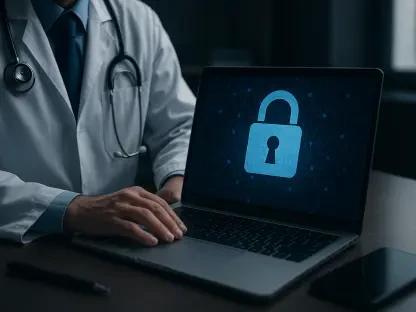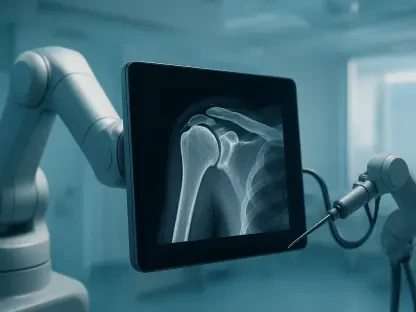

The socio-psychological dimension of medical privacy is the bedrock of trust, as patients must feel comfortable sharing sensitive information to receive effective and accurate care. In 2026, the healthcare industry has moved almost entirely into a digitized environment, where traditional paper records have been replaced by high-speed electronic health records and real-time telehealth interfaces. While these advancements have drastically reduced diagnostic errors and improved patient outcomes, they have also created a massive digital footprint that is increasingly difficult to protect against modern threats. Data security is no longer just a technical concern relegated to server rooms; it is now an essential element of hospital administration and clinical practice. As providers rely more heavily on artificial intelligence and interconnected cloud networks, the vulnerability of sensitive medical information becomes an existential threat to the stability of the entire healthcare system. Consequently, establishing a robust defense against cyber threats is viewed today as a fundamental moral obligation and a primary pillar of patient safety.
The Unique Value and Vulnerability of Medical Data
Part 1: Protecting the Immutable Identity of the Patient
Unlike financial credentials that can be voided with a phone call, medical records represent an immutable digital twin of a person’s physical and biological existence. These datasets include genetic sequences, deep-rooted medical histories, and Social Security numbers that remain static throughout a person’s life. When a hacker gains access to this information, they are not just stealing a set of numbers; they are seizing an identity that cannot be reset or changed. This permanence creates a lucrative market on the dark web, where medical dossiers fetch significantly higher prices than credit card numbers. Because the damage from a medical data breach can persist for decades, healthcare institutions have recognized that their defensive posture must be significantly more resilient than that of a standard commercial enterprise. The stakes are raised by the fact that this data is the primary tool used for insurance verification and chronic care management, making its integrity vital for the patient’s long-term administrative and physical wellbeing.
Part 2: Mitigating Long-Term Personal and Professional Risks
The exposure of private health information often leads to severe social and professional consequences that extend far beyond financial loss. Patients with sensitive diagnoses, such as psychiatric conditions or chronic illnesses, may face discrimination or social stigma if their records are leaked to the public or unauthorized third parties. In the modern interconnected job market, the confidentiality of medical diagnostic reports is a prerequisite for maintaining personal privacy and professional standing. When an institution fails to secure its database, it effectively compromises the personal history and future opportunities of the human beings it serves. This unique vulnerability necessitates a security strategy that prioritizes data confidentiality as highly as clinical precision. Hospitals must acknowledge that they are custodians of human lives in both a physical and a digital sense. Protecting this information is therefore an essential component of the ethical duty to do no harm, ensuring that a patient’s medical journey remains a private matter between them and their clinical team.
Managing the Expanding Attack Surface and Patient Safety
Part 1: Addressing Technological Interconnectivity and Legacy Risks
The rapid digitization of healthcare has significantly expanded the attack surface, creating a vast network of potential entry points for sophisticated cybercriminals. With the widespread adoption of the Internet of Medical Things, devices such as connected insulin pumps and smart pacemakers are now integrated directly into hospital networks. While these tools allow for unprecedented remote monitoring and life-saving interventions, they also rely on public or semi-secure networks that were not originally designed for high-level security. Furthermore, many facilities continue to operate with legacy software and hardware that are difficult to update against modern exploits. This mixture of cutting-edge remote tools and aging internal infrastructure creates a complex environment where one unpatched device can serve as a gateway to the entire system. Ensuring that every node in this interconnected web is secure has become a primary challenge for modern healthcare administrators who must balance clinical convenience with the rigorous demands of cybersecurity.
Part 2: Ensuring Clinical Continuity and Preventing Physical Harm
A critical shift has occurred in how the industry views cyber threats, with a clear consensus that data security is now a direct matter of physical patient safety. Historically, a data breach was viewed as an administrative or financial liability, but the rise of systemic ransomware attacks has demonstrated that digital disruptions have life-altering consequences. When a hospital network is compromised, clinicians are immediately cut off from vital patient information, including allergy lists, current medication schedules, and surgical charts. This lack of access often leads to the dangerous necessity of postponing surgeries or diverting emergency ambulances to other, potentially more distant, facilities. The inability to utilize digital diagnostic tools in real-time can result in delayed treatments that negatively impact patient recovery or even survival. Consequently, maintaining a secure and resilient digital infrastructure is now recognized as being just as important as maintaining the sterility of an operating room, as both are essential for the safe and effective delivery of medical care.
The Psychological Foundation of the Medical Relationship
Part 1: Maintaining Public Trust in the Age of Digital Innovation
The healthcare industry relies on a foundation of absolute trust, as the effectiveness of any treatment is largely dependent on a patient’s willingness to share their most private details. If the public perceives that healthcare providers are unable to safeguard their personal data, this essential trust begins to erode. A significant breach of security is more than just a technical failure; it is a violation of the patient-provider relationship that can have long-term negative effects on public health. Patients who fear for the privacy of their data may become hesitant to utilize patient portals, engage in telehealth consultations, or disclose full medical histories during diagnostics. This hesitation undermines the precision of modern medicine and complicates the task of providing personalized care. Ensuring data security is therefore a strategic necessity for maintaining the integrity of the medical profession and ensuring that the digital tools designed to improve care do not inadvertently push patients away from the help they need.
Part 2: Fostering Participation in AI-Driven Medical Research
As the medical field moves toward a future defined by AI-driven diagnostics and large-scale genetic research, the demand for high-quality, truthful patient data has reached an all-time high. The success of these advanced technologies depends on the participation of millions of individuals who contribute their data to vast research networks. However, without a categorical guarantee of privacy and security, the public is unlikely to consent to the level of data sharing required for these breakthroughs to manifest. In 2026, the progress of medical science is inextricably linked to the sector’s ability to demonstrate its commitment to data protection. When patients feel that their most intimate biological information is safe from exploitation, they are far more likely to support clinical trials and research initiatives that fuel innovation. Protecting this data is not merely a defensive measure; it is a proactive investment in the future of medical discovery, ensuring that the next generation of life-saving treatments can be developed within a framework of safety and ethical transparency.
The Human Factor in Cybersecurity
Part 1: Balancing Workflow Efficiency with Rigorous Security Culture
Despite the implementation of advanced encryption and biometric authentication, human error remains one of the most significant risks to the security of modern healthcare systems. Medical professionals often operate in high-pressure, time-sensitive environments where the speed of information access can be the difference between life and death. In these emergency situations, security protocols that are perceived as cumbersome or slow are often bypassed by staff members seeking a “workaround” to reach clinical data quickly. This inherent tension between security and workflow efficiency creates subtle vulnerabilities that can be exploited through phishing or unauthorized credential sharing. To address this, institutions have moved toward fostering a culture of security where every employee, from surgeons to administrative staff, views themselves as an active participant in the hospital’s defense. Training programs have been redesigned to be continuous and integrated into clinical routines, emphasizing that data protection is an extension of the care they provide to every patient.
Part 2: Designing Secure Systems for Clinical Environments
The realization that the human element is the primary variable in the security equation has led to a major redesign of how digital systems are implemented in clinical settings. Security experts now work closely with medical practitioners to develop interfaces that are both highly secure and intuitively fast. By reducing the friction involved in secure logins and data entry, organizations can minimize the likelihood of staff resorting to risky behaviors or shortcuts. In 2026, the focus has shifted toward automated security measures that operate in the background, allowing doctors and nurses to focus on their patients without being bogged down by complex administrative barriers. This approach recognizes that the most effective security is one that aligns with the natural habits of the user rather than working against them. By treating the clinical staff as a critical asset in the security framework rather than a liability, healthcare providers have successfully built a more resilient environment where technical defenses and human vigilance work in tandem to protect sensitive data.
Implementing a Multi-Layered Defense Strategy
Part 1: Adopting Modern Frameworks and AI-Enhanced Monitoring
To stay ahead of increasingly sophisticated threats, the healthcare sector has adopted a multi-layered defense strategy centered on a Zero-Trust architecture. This model operates on the principle that no user or device within the network is inherently safe, requiring continuous verification at every stage of data access. This approach is supplemented by high-level encryption for data both at rest and in transit, providing a basic but formidable barrier against unauthorized intrusion. Furthermore, the integration of artificial intelligence into network monitoring has revolutionized the way hospitals detect potential breaches. These AI systems analyze network traffic in real-time, identifying anomalous patterns and neutralizing threats long before they can escalate into a systemic crisis. By combining these advanced technical tools with strict risk management policies for third-party vendors, healthcare institutions have created a robust and resilient ecosystem. This unified defense strategy ensures that even if one layer is compromised, the integrity of the patient’s clinical and personal data remains fully intact.
Part 2: Accomplishing Sustainable Digital Resilience in Medicine
The implementation of these advanced protocols ensured that the transition to decentralized care did not compromise the underlying security of the patient journey. Hospitals and clinics prioritized the establishment of comprehensive response plans, which allowed them to recover from localized incidents without experiencing systemic failure. By focusing on the intersection of human behavior and technological capability, the industry redefined the parameters of excellence in the digital age. This proactive stance fostered a deeper level of cooperation between IT specialists and clinical staff, resulting in a more resilient healthcare infrastructure. Institutions that invested in these security measures successfully protected their reputations and maintained the high level of trust necessary for public health. Moving forward, the industry adopted a policy of continuous auditing and iterative improvement to stay ahead of evolving threats. Ultimately, the commitment to rigorous data protection standards served as a catalyst for broader medical innovation, providing a stable and secure foundation for the next generation of life-saving medical tools.