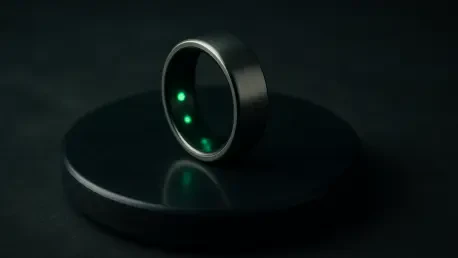

The hardware succeeds in miniaturizing a silent health laboratory into an elegant piece of jewelry that requires minimal user intervention. As the landscape of wearable technology shifts away from the intrusive buzz of wrist-based screens, the Oura Ring 5 emerges as a definitive answer for individuals seeking deep biological insights without the burden of digital noise. This latest iteration marks a significant mechanical leap, reducing the device’s footprint by nearly 40 percent compared to earlier models while housing an array of advanced sensors. By prioritizing a form factor that vanishes during daily wear, the ring serves a growing demographic that values recovery and long-term wellness over momentary notifications. It represents a pivot toward ambient intelligence, where the collection of physiological data occurs naturally and continuously. The result is a device that feels less like a gadget and more like a high-end titanium accessory, successfully bridging the gap between medical-grade monitoring and sophisticated aesthetic design.
Mechanical Engineering: Aesthetics and Structural Resilience
Crafted from high-grade titanium, the outer shell of the ring provides a robust defense against the rigors of daily activity while maintaining a weight that barely registers on the finger. The engineering team successfully transitioned from the protruding sensor pods of the past to recessed domes that measure approximately one millimeter in depth. This subtle structural adjustment ensures consistent contact with the skin for accurate data collection without the physical irritation often associated with bulkier wearable devices. With an IP68 rating, the hardware remains fully submersible, allowing users to move seamlessly from the swimming pool to the shower without removing the device. While the scratch-resistant coating preserves the premium appearance of finishes like gold, rose gold, and matte stealth, the ring remains a functional tool that survives heavy physical labor. This balance of elegance and durability establishes a new standard for how wearable hardware should integrate into a user’s lifestyle without demanding constant maintenance.
Power management in a chassis this small requires a sophisticated approach to battery chemistry and energy efficiency. Despite the significant reduction in physical volume, the ring achieves a battery life ranging from six to nine days on a single charge, a feat that distinguishes it from smartwatches requiring near-daily recharging. This longevity supports the “set it and forget it” philosophy, encouraging users to wear the ring consistently for weeks at a time. Recharging the device is handled through a streamlined USB-C dock, while an optional portable charging case provides up to a month of power for those who travel frequently. The efficiency of the internal components ensures that the tracking remains uninterrupted, which is critical for establishing a baseline of health data. By eliminating the anxiety of a dead battery, the device moves closer to becoming a truly invisible companion. This engineering success reinforces the idea that technology is most effective when it does not require the user’s constant attention to stay operational and functional.
Biological Synthesis: Translating Signals into Insights
The core functionality of the device centers on its ability to monitor a wide array of vital signs through upgraded LEDs and photodiodes located on the inner band. These sensors capture high-fidelity data regarding heart rate variability, blood oxygen levels, and skin temperature fluctuations throughout the day and night. However, the value of the device lies not just in raw data collection but in how it amalgamates these signals into three primary scores: Readiness, Sleep, and Activity. These metrics provide a holistic view of the body’s internal state, helping users understand when to push their physical limits and when to prioritize rest. The precision of these readings has improved significantly since 2026, with the algorithms now capable of identifying subtle shifts in recovery that might indicate the onset of illness or the effects of chronic stress. This synthesis transforms complex physiological information into a clear narrative, making it accessible for individuals who may not have a background in data science or medicine.
Sleep tracking remains the hallmark of the experience, offering a detailed breakdown of sleep stages and disturbances that rivals many dedicated clinical monitors. By analyzing movement patterns and heart rate trends, the software identifies the user’s unique chronotype, suggesting optimal windows for rest and productivity based on natural circadian rhythms. This personalized approach extends into specialized health areas, including a dedicated Menopause Impact Scale and advanced cycle tracking for women. Rather than relying on simple calendar mathematics, the system uses basal body temperature shifts to predict reproductive cycles with high accuracy. This level of specialization addresses a long-standing gap in the wearable market, providing tailored insights that reflect the diverse biological needs of its user base. By integrating metabolic trends and the impact of medications into the daily report, the device offers a comprehensive view of wellness that goes far beyond simple step counting or basic caloric expenditure.
Functional Performance: Navigating the Fitness Landscape
While the device excels as a recovery monitor, it has also expanded its capabilities within the realm of active fitness tracking. Users can now initiate and pause various workout sessions directly through the companion app, which supports an extensive catalog of activities ranging from traditional running to niche movements like house chores. Since the ring lacks internal GPS hardware to preserve its slim profile, it utilizes a tethered connection to a smartphone to record distance, elevation, and pace during outdoor excursions. This data then syncs automatically with popular platforms like Strava, allowing users to keep their training logs updated without manual entry. For the general population, this level of tracking provides an adequate overview of daily exertion and movement patterns. It fills the role of a silent observer that captures the broad strokes of physical activity throughout the day, ensuring that even light movement is accounted for in the overall readiness and activity scores.
However, the screenless design and minimalist approach introduce specific hurdles for high-performance athletes who require real-time feedback. The absence of a display means that users cannot check their heart rate or pace during a sprint without looking at their phone, which can be cumbersome during intense intervals. Furthermore, the automatic exercise detection occasionally misidentifies sedentary tasks as light activity, and the lack of a robust auto-pause feature can lead to inaccurate workout durations if the user forgets to stop the timer. These limitations highlight the trade-off between the ring’s invisible design and the functional demands of dedicated fitness trackers. For those whose primary goal is competitive training or high-intensity sport, the device serves better as a secondary recovery tool rather than a primary training computer. Nevertheless, for the user who prioritizes a seamless aesthetic and passive monitoring, the ring provides a sufficient and integrated way to track general health and movement.
Economic Structure: The Cost of Continuous Guidance
The financial commitment required to enter the ecosystem involves both a high upfront hardware cost and a recurring monthly investment. With prices starting at a premium level and increasing for specialized finishes, the ring is positioned as a luxury wellness product. However, the purchase of the hardware only provides access to basic metrics; the “brain” of the device, which includes detailed trend analysis, personalized guidance, and the full suite of health scales, is locked behind a monthly subscription fee. This model has become a central point of discussion among potential buyers, as the annual cost adds up significantly over the lifespan of the device. Oura justifies this recurring fee by highlighting the continuous rollout of AI-driven updates and new research-backed metrics that are delivered to the software regularly. This approach ensures that the hardware remains at the cutting edge of data science without requiring a new physical purchase every year as new features are developed.
This subscription-heavy model creates a distinct value proposition compared to competitors that offer a one-time purchase price. While other brands provide similar hardware without a recurring fee, the depth of the data science and the polish of the user interface often fall short of the standard set by the Oura ecosystem. The decision for the consumer then becomes a choice between a lower long-term cost and a more sophisticated, well-supported software experience. For those who utilize the device to manage chronic conditions, track reproductive health, or optimize professional performance, the monthly fee is often viewed as a justifiable expense for high-quality health coaching. For more casual users, the paywall may represent a significant barrier to entry that diminishes the overall appeal of the hardware. This tension between hardware ownership and service access continues to shape the market for high-end wearables, forcing users to weigh the value of long-term data insights against a persistent financial obligation.
Strategic Implementation: Selecting the Ideal Wellness Pathway
When compared to the broader wearable market, the device occupies a unique niche that emphasizes comfort and longitudinal data over immediate utility. It does not offer the emergency safety features, fall detection, or cellular connectivity found in modern smartwatches, but it provides a superior experience for sleep monitoring and 24/7 wearability. While watches are often removed at night due to their size or charging needs, the ring stays in place, capturing a complete picture of the body’s recovery. This makes it an ideal choice for individuals who find traditional trackers distracting or uncomfortable. The accuracy of its heart rate and temperature sensors has been validated against clinical standards, ensuring that the insights provided are grounded in reliable data. For the user who wants to understand the subtle signals of their body without being tethered to a digital screen, the ring offers a level of discretion and sophistication that remains unmatched by larger, more complex wrist-based gadgets.
In the final assessment, the hardware proved to be a masterclass in miniaturization and thoughtful software integration. Those who adopted the device found that its greatest strength lay in its ability to fade into the background while providing a wealth of actionable information. The transition to a smaller form factor and the introduction of advanced health scales effectively addressed the needs of a diverse user base, from those managing stress to those tracking metabolic health. Moving forward, potential users should evaluate their specific needs for real-time feedback versus passive monitoring. For those who value a polished app and deep data science, the ring remains the benchmark for the category. The next step for interested individuals involves assessing whether the subscription model aligns with their long-term health goals. By prioritizing recovery and sleep hygiene, the device established itself as a critical tool for anyone looking to build a more informed and proactive relationship with their own biological data in a screen-free environment.