
The rapid integration of advanced textiles into the clinical environment has fundamentally altered the trajectory of modern diagnostic healthcare and patient management. This seismic shift toward digitized, patient-centric, and preventative care models is primarily driven by the medical smart shirt market, an innovative intersection of textile engineering, sensor technology, and high-level data analytics. These specialized garments are no longer conceptual prototypes but are actively integrated with medical-grade biometric sensors designed to track physiological parameters continuously and non-invasively. By monitoring heart rate, respiratory patterns, and body temperature in real-time, these devices offer a level of data granularity that periodic clinical snapshots simply cannot match. Currently valued at approximately $1,500 million in 2026, the market is poised for monumental expansion, with projections indicating it will reach a $5.0 billion valuation by 2035. This growth is underpinned by a compound annual growth rate of 13.1%, reflecting a broader consensus within the medical community that continuous, real-world data collection is the superior method for managing chronic conditions and improving overall long-term patient outcomes.
Technological Architecture and Market Segmentation
Engineering High-Fidelity Wearable Sensors
The evolution of the medical smart shirt represents a significant departure from first-generation wearables such as wristbands or smartwatches, which often lack the necessary surface area for consistent high-fidelity monitoring. While wrist-based devices are suitable for casual fitness tracking, they frequently struggle with motion artifacts and inconsistent contact during vigorous activity or sleep. Smart shirts overcome these limitations by embedding medical-grade sensors directly into the fabric of the garment, ensuring the sensors remain in close, stable proximity to the torso. This placement allows for the collection of hospital-quality data, including multi-lead electrocardiograms and detailed thoracic expansion metrics, all while the user remains in their natural environment. The current market is heavily focused on garment-integrated solutions that utilize conductive fibers and flexible electronics, which allow the shirt to retain the feel of traditional apparel while functioning as a sophisticated diagnostic hub.
Maintaining the delicate balance between user comfort and diagnostic accuracy remains the primary engineering challenge for manufacturers in this sector. Modern medical smart shirts utilize specialized silver-coated yarns and carbon-based conductive polymers that are knitted directly into the textile matrix to ensure a seamless fit. These materials must be capable of stretching and flexing with the body without losing their electrical conductivity or compromising the integrity of the signal. Furthermore, the integration of micro-miniaturized processing units, which are often detachable or housed in moisture-resistant pockets, allows for the onboard filtering of electronic noise. This engineering approach ensures that the biometric data harvested is clean and actionable for healthcare providers. By focusing on the ergonomics of the wearer, companies are ensuring that patients are more likely to comply with long-term monitoring requirements, which is essential for gathering the longitudinal data sets needed for accurate chronic disease management and proactive intervention.
Connectivity and Multi-Parametric Monitoring
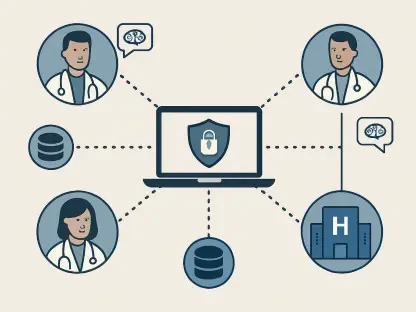
Connectivity serves as the central nervous system of the medical smart shirt ecosystem, with wireless protocols such as Bluetooth Low Energy, Wi-Fi 6, and 5G dominating the current technological landscape. These systems facilitate the seamless and secure transmission of biometric data from the garment to various endpoints, including personal mobile devices and cloud-based hospital management systems. The shift toward 5G technology has been particularly transformative, as it allows for the near-instantaneous transmission of large data packets, which is critical for real-time cardiac monitoring and emergency alert systems. In a clinical context, this means that a patient’s vital signs can be monitored by a specialist located hundreds of miles away, with the data updated every few seconds. This level of connectivity ensures that the smart shirt is not just a recording device but an active participant in a decentralized healthcare network that prioritizes speed and accessibility.
The application spectrum for these garments is exceptionally broad, covering several vital diagnostic areas that were previously confined to stationary hospital equipment. Continuous ECG tracking remains the most prominent application, allowing for the detection of intermittent arrhythmias that might be missed during a standard ten-minute office visit. Beyond cardiology, these shirts are becoming indispensable for respiratory monitoring, particularly for patients suffering from chronic obstructive pulmonary disease or severe asthma. By tracking the rate and depth of chest wall movements, the sensors can provide early warnings of respiratory distress or declining lung function. Additionally, the integration of accelerometers and gyroscopes enables precise posture and gait analysis, which is invaluable for elderly patients in fall-prevention programs or individuals undergoing physical rehabilitation. This multi-parametric approach ensures that a single garment can provide a comprehensive overview of a patient’s physiological state across multiple medical disciplines.
Key Drivers of Industry Expansion
The Shift to Telemedicine and Chronic Care
The rapid ascent of the smart shirt market is fundamentally tied to the global transition toward remote patient monitoring and telemedicine, which has now become a standard pillar of modern healthcare delivery. In an era where healthcare systems are often overstretched, the ability to monitor patients outside of traditional clinical settings has moved from being a luxury to a systemic necessity. Medical smart shirts serve as the essential hardware for this paradigm shift, providing the continuous stream of objective data that physicians need to make informed clinical decisions without requiring the patient to travel. This is especially beneficial for rural populations or individuals with limited mobility who may otherwise struggle to attend regular check-ups. By transforming the patient’s home into a monitored clinical environment, these shirts help to reduce the burden on hospital infrastructure and minimize the costs associated with unnecessary in-patient stays.
Furthermore, the growing global prevalence of chronic conditions, such as diabetes and cardiovascular disease, necessitates a level of constant vigilance that traditional care models cannot provide. Managing these long-term illnesses requires a proactive approach where subtle changes in vital signs are caught before they escalate into acute medical crises. Medical smart shirts offer a low-friction solution for this monitoring, allowing patients to go about their daily lives while remaining connected to their medical team. This constant connection fosters a sense of security for the patient and provides a safety net that can significantly reduce the frequency of emergency room visits. As the global population continues to age and the incidence of lifestyle-related diseases rises, the demand for non-invasive, continuous monitoring solutions is expected to intensify, further solidifying the smart shirt’s role as a cornerstone of the modern chronic care strategy.
Synergy with Artificial Intelligence and Wellness Trends
Modern medical smart shirt ecosystems are increasingly defined by their deep integration with Artificial Intelligence and cloud-based analytics platforms. The raw biometric data generated by these garments is often too voluminous for manual review by healthcare professionals; therefore, AI algorithms are employed to filter out background noise and identify clinically significant patterns. For example, machine learning models can analyze heart rate variability over several weeks to identify early markers of autonomic nervous system stress or impending cardiac events. These predictive capabilities allow for a level of early intervention that was previously impossible, moving medicine from a reactive stance to a truly preventative one. By providing actionable insights rather than just raw numbers, AI-enhanced smart shirts empower both the physician and the patient to take a more informed and data-driven approach to health management.
In addition to clinical applications, a burgeoning “prosumer” segment of health-conscious individuals is driving market expansion into the general wellness and performance sectors. These consumers are not necessarily patients with diagnosed conditions but are individuals who seek professional-grade data to optimize their fitness, recovery, and stress management. High-performance athletes and fitness enthusiasts are increasingly adopting smart textiles to monitor their physiological response to training loads and to ensure they are recovering adequately between sessions. This cross-over between the medical and consumer markets has accelerated the pace of innovation, as manufacturers strive to meet the high aesthetic and durability standards of the fitness world while maintaining the rigorous accuracy required for medical certification. This dual-market appeal broadens the financial base for research and development, ultimately benefiting the medical sector through more refined and cost-effective technology.
Competitive Landscape and Regional Growth
Innovation in Smart Textile Engineering
The current competitive landscape of the medical smart shirt market is characterized by a vigorous push toward “invisible” technology, where the hardware becomes entirely indistinguishable from the garment itself. Manufacturers are investing heavily in research to create sensors that are so thin, flexible, and integrated into the fabric that the wearer completely forgets they are being monitored. This focus on invisibility is not merely aesthetic; it is a critical factor in patient compliance, as people are far more likely to wear a garment that feels like a standard cotton or synthetic t-shirt than one that feels like a piece of medical equipment. Startups and established tech giants alike are competing to develop the next generation of conductive inks and yarns that can be printed or woven directly into high-performance fabrics, allowing for a level of design flexibility that was previously unattainable in the wearable medical device sector.
A significant portion of current industry investment is also being funneled into improving the long-term durability and maintenance of these smart textiles. One of the primary historical hurdles for smart garments was their inability to withstand repeated washing without the sensors or conductive pathways degrading. However, current engineering breakthroughs have led to the development of encapsulated sensors and robust conductive fibers that can survive hundreds of industrial-strength wash cycles while maintaining their diagnostic precision. This durability is essential for making smart shirts a practical solution for daily use and for ensuring they meet the hygiene standards required in both home and hospital settings. As manufacturers solve these material science challenges, the barrier to widespread adoption continues to lower, making these garments a more viable long-term investment for both healthcare providers and individual consumers looking for reliable, long-lasting monitoring solutions.
Global Adoption and Geographic Trends
Geographically, North America currently holds the dominant share of the medical smart shirt market, a position solidified by its dense concentration of technology innovators and a healthcare system that increasingly rewards efficiency and remote monitoring. The presence of major industry players and a robust venture capital ecosystem has allowed for rapid prototyping and the clinical validation of new smart textile technologies. Furthermore, high levels of consumer tech literacy and an established infrastructure for digital health services make the North American market a fertile ground for early adoption. However, the region’s leadership is also defined by its rigorous regulatory environment, which ensures that only the most accurate and secure devices reach the hands of consumers and medical professionals, thereby maintaining a high standard of care and data privacy across the entire digital health landscape.
In contrast, the Asia-Pacific region is projected to experience the fastest growth through 2035, driven by massive population centers in China and India and a rapid expansion of digital infrastructure. Governments in this region are aggressively investing in healthcare modernization to address the challenges of serving vast and often remote populations. The widespread availability of high-speed mobile connectivity in Asia-Pacific makes the integration of smartphone-linked smart shirts a highly feasible and cost-effective solution for large-scale health monitoring. Meanwhile, Europe is maintaining a steady growth trajectory, supported by government-backed digital health initiatives that aim to modernize public health strategies through the integration of wearable tech. These regional trends highlight a global movement toward the decentralization of healthcare, where digital tools are used to bridge the gap between traditional medical facilities and the daily lives of the global population.
Future Outlook for Global Healthcare Integration
Supporting Universal Health Coverage and Workforce Efficiency
Smart textiles are increasingly recognized as a vital tool for achieving the goals of Universal Health Coverage by providing low-cost, scalable monitoring solutions to underserved populations. In many parts of the world, access to specialized medical equipment is limited by geography or economic factors, but the widespread adoption of smart shirts could provide a baseline of diagnostic care that is both accessible and affordable. By automating the collection of vital signs and transmitting that data to centralized medical hubs, these garments help to bridge the gap in healthcare access, ensuring that even those in remote areas can receive professional-level monitoring. This democratization of data is a key component of a more equitable global healthcare system, where the quality of one’s medical monitoring is no longer strictly determined by their proximity to a physical hospital or clinic.
Furthermore, the integration of these devices into standard medical practice is significantly enhancing the efficiency of the healthcare workforce. By automating the routine collection of vital signs, smart shirts allow nurses and physicians to shift their focus from manual data entry to high-level diagnosis and direct patient interaction. This digital enablement of the workforce reduces the risk of human error in data collection and provides a more accurate and comprehensive record of a patient’s health over time. In an environment where medical professionals are often burdened by administrative tasks, the ability to rely on a continuous, automated stream of accurate biometric data is a major benefit. This shift not only improves the job satisfaction of healthcare workers but also enhances the overall quality of care, as medical teams are better equipped with the information they need to provide personalized and timely interventions.
Evolution Toward Ubiquitous Health Monitoring
As the technology matured during the current decade, the “smartness” of the garment became increasingly defined by the strength of its software backend and its ability to transform raw data into definitive medical insights. The industry moved away from simply presenting a list of numbers to providing context-aware health narratives that accounted for a patient’s activity level, environmental conditions, and historical trends. This evolution was particularly evident in the transition toward “hospital-at-home” models, where the smart shirt served as the primary diagnostic link for patients recovering from major surgeries or managing complex chronic conditions. By the time the market reached its current state, these garments were no longer considered specialized accessories but had become a standard component of many medical prescriptions. This shift reflected a fundamental change in how both providers and patients viewed health monitoring, moving it from an occasional event to a continuous, background process.
The success of the medical smart shirt market ultimately depended on its ability to integrate seamlessly into the existing healthcare ecosystem while offering a clear value proposition for all stakeholders involved. Insurance companies recognized the long-term cost savings associated with early detection and prevention, which led to broader reimbursement policies for smart textile monitoring. Healthcare providers embraced the technology because it offered a more nuanced view of patient health, and consumers adopted it because it provided a non-intrusive way to take control of their own wellness. Looking back at the progress made between the start of the decade and the mid-2030s, it is clear that the smart shirt played a pivotal role in the modernization of medicine. These devices paved the way for a future where health monitoring was ubiquitous, data-driven, and centered entirely on the needs and comfort of the individual, ensuring that the global medical ecosystem remained responsive to the challenges of a changing world.