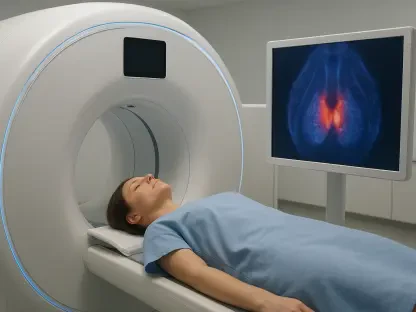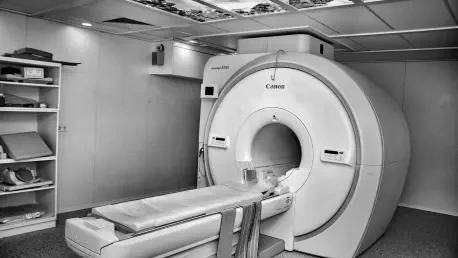

Navigating the traditional health insurance pathway often involves a series of administrative hurdles and mandatory waiting periods that delay critical diagnostic imaging for several weeks. This bureaucratic maze is frequently characterized by the prior authorization process, which requires physicians to justify the clinical necessity of a scan to a third-party payer before the procedure is approved. In many instances, insurance carriers impose a “conservative treatment” period, mandating that patients complete several weeks of physical therapy or medication trials regardless of the severity of their symptoms. This step-therapy logic effectively puts the diagnostic process on hold, forcing individuals to manage pain without a definitive understanding of its underlying cause. While these policies are framed as cost-saving measures for the insurance company, they often lead to secondary complications as the root problem remains unidentified and untreated during the waiting phase. Consequently, the patient experiences physical discomfort and a loss of productivity that far outweighs the perceived savings from delaying the scan.
The Financial Paradox of Modern Insurance
The evolution of health insurance has led to the widespread adoption of High-Deductible Health Plans (HDHPs), which have fundamentally shifted the financial burden onto the consumer. In the current market, many individuals find themselves paying thousands of dollars out-of-pocket before their insurance benefits even begin to take effect, effectively turning their coverage into a safety net for only the most catastrophic events. When a patient needs a diagnostic scan, they are often charged the “negotiated rate,” which reflects a price agreed upon between the insurer and a hospital system. Surprisingly, this negotiated rate is frequently much higher than the actual operational cost of performing the MRI. A patient might receive a bill for $2,400 or $2,600 for a single imaging session because they have not yet met their substantial deductible. This reality exposes a significant flaw in the modern insurance model where coverage does not equate to affordability for routine care. Patients are essentially paying a premium for the privilege of paying higher rates for essential services.
This economic discrepancy is a primary driver of the ongoing medical debt crisis, as families are forced to navigate the choice between essential health insights and their financial stability. Data from 2026 suggests that medical expenses remain a leading cause of individual insolvency in the United States, even among those who are fully insured. The lack of pricing transparency in traditional hospital settings further complicates the issue, as patients rarely know the final cost of their scan until weeks after the procedure has been completed. This surprise billing culture creates a climate of fear and avoidance, where individuals delay necessary medical intervention to avoid unpredictable financial liabilities. Consequently, the reliance on insurance-negotiated pricing has created a barrier that discourages early detection. By the time a patient feels financially prepared for a scan, a manageable issue may have progressed into a chronic condition requiring more expensive treatments that further strain the individual’s long-term health and the broader medical system.
The Transparency of the Cash-Pay Alternative
A transformative movement is gaining momentum as independent imaging centers move toward a direct-pay or cash-pay model to circumvent the complexities of the insurance industry. By removing the administrative layer required to process insurance claims, these facilities can drastically reduce their overhead costs and pass those savings directly to the patient. High-profile advocates for healthcare reform argue that the current system is illogical, as it involves insurers paying inflated prices for services that can be delivered efficiently for a fraction of the cost. In a cash-pay environment, the relationship is simplified to a direct transaction between the provider and the patient, eliminating the need for coding specialists, billing departments, and the constant back-and-forth of authorization loops. This streamlined approach allows facilities to focus entirely on clinical excellence and patient experience rather than administrative compliance, effectively disrupting the traditional hospital-centric model that has dominated the diagnostic landscape for many years.
Price transparency is the cornerstone of these emerging cash-pay facilities, such as TaylorMed MRI and similar independent centers. These providers often list their prices openly, offering high-quality scans for a flat fee, often around $400, which includes the radiologist’s interpretation. This clarity is revolutionary in a sector where pricing has historically been opaque and variable. Patients are increasingly opting for these services because they provide a predictable financial commitment without the risk of hidden fees or subsequent bills. Furthermore, the ability to bypass physician referrals in some jurisdictions and avoid lengthy insurance waiting periods appeals to those who value efficiency. This model is particularly beneficial for small business owners, freelancers, and individuals with high-deductible plans who realize that paying the cash rate is significantly more cost-effective than using their insurance and being billed the hospital rate. This shift is not just about cost; it is about reclaiming the right to access healthcare services on one’s own terms and timelines.
Autonomy and Efficiency in Patient Care
The impact of the cash-pay model extends beyond financial savings, significantly improving clinical outcomes through the speed of intervention. In the traditional insurance-led pathway, the time elapsed between the onset of symptoms and a diagnosis can span several weeks or even months due to mandatory waiting periods. In contrast, the cash-pay model allows patients to secure an appointment almost immediately, often within the same or next business day. This rapid turnaround is essential for treating acute orthopedic injuries or neurological concerns where every day of delayed diagnosis can lead to further tissue damage or functional decline. Most direct-pay facilities prioritize providing the final radiologic report within twenty-four hours, ensuring that the patient and their treating physician have the necessary data to begin a treatment plan without delay. This acceleration of the diagnostic timeline reduces the duration of patient suffering and facilitates a faster return to daily activities, which is a critical metric of success in any modern healthcare delivery system.
The movement toward transparent, direct-to-consumer imaging successfully challenged the long-standing monopoly of insurance-based healthcare delivery. By prioritizing the individual’s need for clarity and speed, these facilities demonstrated that high-quality diagnostic services could be both affordable and accessible. Moving forward, the integration of AI-driven scheduling and automated preliminary analysis will likely further reduce costs and improve the accuracy of these cash-pay models. Healthcare consumers should actively investigate independent imaging options and compare flat-rate pricing against their insurance deductibles to make the most informed financial decisions. The shift toward autonomy empowered patients to take charge of their diagnostic journeys, ensuring that medical decisions were driven by clinical necessity rather than bureaucratic approval. As this trend matured, it forced a broader conversation about the necessity of direct-pay options in all facets of care to ensure a value-based system that works for the patient.