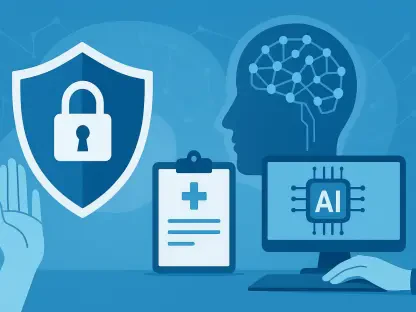

The convergence of advanced genomic sequencing and high-performance computing is currently reshaping the global healthcare landscape, pushing nations to develop unified databases that can unlock the secrets of human longevity and disease resistance. A dedicated Digital Healthcare team at Lee & Ko integrates pharmaceutical, biotech, and IT expertise to address the multifaceted challenges of modern medical technology licensing. This strategic alliance with the National Integrated Bio Big Data Project, commonly referred to as BIKO, signifies a major milestone in South Korea’s ambition to become a global hub for biotechnology. By providing a sophisticated legal framework, the firm aims to bridge the gap between high-tech research and strict regulatory compliance. This initiative is not merely an administrative exercise; it is a foundational shift in how medical data is perceived, handled, and utilized for the greater public good. As the project moves forward, the focus remains on ensuring that every byte of genetic information is protected while remaining accessible for groundbreaking research.
Structural Foundations and National Oversight
Establishing Governance for Precision Medicine
The BIKO project stands as a massive research and development undertaking, carefully managed by a coalition of major South Korean government bodies, including the Ministry of Health and Welfare and the Korea Disease Control and Prevention Agency. This collaborative effort, operating through the Korea Health Industry Development Institute, establishes a robust governance model designed to oversee the collection and analysis of genomic data from a vast sample of one million citizens. This scale of data collection is unprecedented in the region and requires a highly organized administrative structure to ensure that all operational phases align with national health priorities. By creating a centralized repository, the project serves as the bedrock for the development of precision medicine, allowing for a level of detail in health analysis that was previously impossible. The oversight provided by these agencies ensures that the project maintains a high degree of transparency and accountability throughout its current rollout, fostering a stable environment for innovation.
Standardizing Data Protocols for Research
Beyond the administrative logistics, the primary goal of this governance structure is to catalyze innovation across the entire healthcare ecosystem by providing a secure and standardized analytical environment. This environment allows researchers and private sector companies to access high-quality data that can be used to develop targeted therapies and highly sophisticated diagnostic tools. The initiative essentially democratizes access to complex bio-information, enabling smaller biotech firms to compete on a global stage by leveraging the shared national resource. As precision medicine becomes the standard of care, the ability to tailor treatments to an individual’s genetic makeup will depend heavily on the insights gleaned from the BIKO repository. This strategic pooling of resources minimizes the redundancy often found in isolated research efforts and maximizes the potential for medical breakthroughs. The integration of clinical records with genomic sequences provides a comprehensive view of public health, which is essential for predicting disease and improving pharmacological interventions.
Strategic Objectives and Legal Frameworks
Modernizing Regulations for the Bio-Data Industry
The cooperation framework focuses on navigating the entire lifecycle of biomedical data, from the initial collection phase to its practical application in various sectors. A primary objective of this partnership is to drive legislative and regulatory reform, ensuring that current laws governing artificial intelligence and digital healthcare keep pace with the rapid technological shifts occurring in 2026. The legal landscape must be agile enough to accommodate new methods of data processing while providing a clear set of guidelines for researchers. Through strategic policy development and academic exchange, the firm offers the necessary guidance to harmonize South Korean regulations with international standards. This alignment is crucial for fostering an environment where innovation can thrive without being stifled by outdated or overly restrictive legal hurdles. By modernizing these frameworks, the project ensures that the legal infrastructure is as advanced as the medical technology it supports, allowing for a seamless transition from data to discovery.
Leveraging Specialized Tech and Healthcare Expertise
A critical component of this partnership is the utilization of specialized expertise within the firm’s technology and telecommunications practice, alongside its dedicated Digital Healthcare team. The Tech & AI group consists of approximately 100 specialist attorneys and former regulatory officials who have a proven track record of drafting complex legislation and advising on large-scale data governance. This deep bench of talent allows the firm to provide a multidisciplinary perspective that is often missing in traditional legal consultations. By bringing together experts who understand both the code behind AI algorithms and the nuances of medical ethics, the team is uniquely positioned to address the multifaceted challenges of the BIKO project. Their history of working with government agencies and private corporations provides them with a balanced viewpoint, ensuring that legal strategies are both practical and forward-thinking. This concentration of specialized knowledge serves as a safeguard against the unforeseen risks that accompany pioneering endeavors.
Leadership Perspectives and Public Trust
Balancing Industrial Growth with Ethical Integrity
During the formalization of this partnership, leadership from both organizations emphasized that the initiative must uphold public value while simultaneously driving economic growth in the bio-health sector. The success of building a national bio-data repository hinges entirely on public trust, which requires a coherent and secure legal foundation to maintain participant confidence over the long term. If citizens do not feel that their most sensitive information is handled with the utmost care, the participation rates necessary for a statistically significant sample will never be reached. Therefore, the legal framework was designed to be as inclusive and transparent as possible, clearly outlining how data is stored, who can access it, and for what specific purposes. Leaders highlighted that economic benefits, such as the creation of new jobs in the biotech industry, should never come at the expense of ethical standards. This commitment to integrity is the cornerstone of the strategy to secure widespread public support and ensure long-term project sustainability.
Driving Global Competitiveness in the Data Economy
To maintain a competitive edge, South Korea established a pathway that integrated legal foresight into the fabric of scientific discovery. The partnership between Lee & Ko and BIKO demonstrated that the successful implementation of a national bio-data project required more than just technological prowess; it demanded a sophisticated understanding of the evolving legal landscape. For other nations looking to replicate this model, the key takeaway was the necessity of involving legal experts at the earliest stages of project development. This proactive engagement allowed for the identification of potential regulatory bottlenecks before they could impede progress. Looking ahead, the focus shifted toward continuous monitoring of emerging AI technologies to ensure that the legal framework remained relevant. By prioritizing both innovation and ethical governance, the initiative provided a blueprint for how to handle sensitive information in a digital-first economy. The emphasis on transparency and public trust ultimately secured the project’s legacy as a transformative force in global digital healthcare.