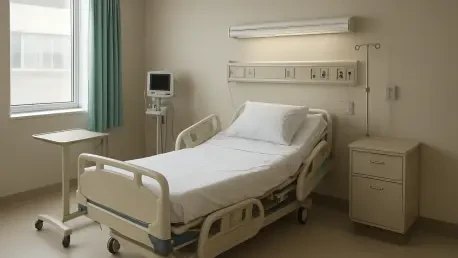

Retirees living on fixed incomes are finding that the 3.6 percent Social Security COLA is insufficient to cover the retail pharmacy charges generated by observation stays. A seventy-two-year-old individual might enter an emergency room on a Friday evening complaining of acute chest pain, only to spend the next three nights in a specialized hospital bed under constant monitoring. While this patient receives intravenous fluids, multiple cardiac workups, and their standard daily medications for hypertension and high cholesterol, they may never technically be admitted. Upon discharge on Monday morning, the paperwork reveals that the entire stay was categorized as outpatient observation rather than an inpatient admission. This subtle linguistic shift carries profound financial consequences, as Medicare Part B assumes responsibility for the charges instead of Part A. Six weeks later, a bill arrives for the full retail cost of every pill administered by the nursing staff, creating a significant and often unmanageable debt for those already struggling with rising living expenses.
1. The Billing Mechanics: Understanding Observation Status
Observation status is primarily a billing designation rather than a physical location within the medical facility. A patient might occupy the same room, wear the same gown, and receive care from the same clinical team as an inpatient, yet the administrative classification determines the entire cost-sharing structure. This distinction is critical because Medicare Part B covers physicians’ services, outpatient hospital care, and durable medical equipment, while Part A is reserved for inpatient hospitalizations. When a hospital classifies a stay as observation, it essentially treats the patient as an outpatient who happens to be using a bed for an extended period. This administrative choice is often driven by strict federal guidelines that require specific clinical criteria to be met before a patient can be formally admitted. For the unsuspecting senior, this means the protective umbrella of Part A never opens, leaving them exposed to the varied and uncapped coinsurance requirements of Part B.
The mathematical shift between these two statuses can be staggering for a household budget. In 2026, the Medicare Part A inpatient deductible is set at $1,736, which typically covers all hospital costs for the first sixty days of an admitted stay, excluding specific professional fees. However, if the stay is billed under Part B, this deductible does not apply. Instead, the patient must meet the $283 annual Part B deductible and then face a twenty percent coinsurance for most services rendered. While avoiding a nearly $1,800 deductible might initially seem like a benefit, the cumulative cost of labs, imaging, and professional consultations can quickly exceed that amount. Without a supplemental Medigap policy or a Medicare Advantage plan with capped copayments, the financial burden of a three-day observation stay can easily reach several thousand dollars. Furthermore, because there is no out-of-pocket maximum under Original Medicare, the costs for extensive diagnostic testing can escalate without limit.
2. Strategic Advocacy: Managing Medications and Status
Managing the financial risks of a hospital stay requires proactive communication with the medical staff from the moment of entry. Patients and their families should inquire about their admission standing daily, specifically asking the attending physician or the discharge planner if the status is currently inpatient or observation. Because these designations can change during a stay based on clinical findings, consistent verification is essential to understanding potential liabilities. Additionally, patients should discuss their personal medications with the staff immediately. While hospitals frequently prohibit the use of home-carried medications for safety and liability reasons, some facilities may permit patients to use their own properly labeled supply under supervision. If the hospital allows this practice, it can effectively bypass the high retail pharmacy charges associated with hospital-dispensed maintenance drugs. Establishing this protocol early in the stay can prevent a significant portion of the surprise bill that often accompanies an outpatient observation discharge.
Securing one’s financial future against these medical surprises required a structured approach to retirement planning. Beyond filing manual Part D claims with itemized receipts to recover retail drug costs, individuals benefited from a systematic review of their long-term strategies. Many began by completing a comprehensive questionnaire to identify their specific goals and current financial vulnerabilities. This data allowed them to connect with screened professionals who were vetted to ensure they met rigorous standards for expertise and ethical conduct. By interviewing and selecting the best match for their needs, retirees were able to build a retirement vision that accounted for the specific complexities of the healthcare landscape. In the end, these proactive measures transformed a potentially devastating hospital bill into a manageable component of a well-ordered fiscal life. Those who integrated professional guidance with vigilant medical advocacy successfully protected their savings from the hidden costs of the healthcare system. Consequently, the transition was marked by increased resilience.