
James Maitland stands at the intersection of medical innovation and practical application, specializing in how robotics and IoT are transforming the modern operating room. With a career dedicated to enhancing surgical precision and patient accessibility, he offers deep insights into the rapid evolution of outpatient care. In our conversation, he explores how the decentralization of robotic surgery is making high-tech procedures more available through compact, specialized platforms that challenge the traditional hospital-centric model. We discuss the recent regulatory milestones for the Dexter system and what the shift toward ambulatory surgery centers means for the future of women’s health.
How does the compact and portable design of the Dexter system fundamentally alter the operational dynamics of ambulatory surgery centers compared to traditional hospital robots?
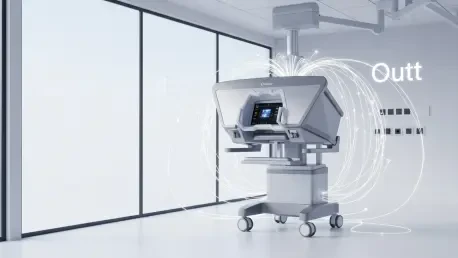
The transition from massive, stationary units to compact systems is a total shift in how we think about the footprint of surgical excellence. In an ambulatory surgery center, every square foot is premium real estate, so having a portable robot allows for a level of flexibility that bulky, legacy systems simply cannot match. Clinicians can actually move the unit between different operating rooms, which streamlines the daily workflow and ensures the equipment is never just a heavy ornament when not in use. This portability creates a sense of agility in the OR, allowing staff to reset and prepare for the next case with the speed essential for a high-volume, same-day procedure model.
With the recent FDA clearance for pelvic organ prolapse and endometriosis resection, what does this expansion of indications mean for the accessibility of specialized women’s health services?
These new clearances for endometriosis and pelvic organ prolapse are significant wins for patient access because they move complex reconstructive work out of the intimidating hospital environment and into the community. By adding these to the existing clearances for hysterectomies and ovary removals, we are seeing a comprehensive suite of gynecological tools finally become available in lower-cost settings. Patients feel a different level of comfort when they can receive specialized care at a local outpatient center, and the data shows that over 4,000 patients have already benefited from this specific robotic approach. It is about more than just hardware; it is about providing a sense of relief to women who can now access advanced surgical outcomes without the logistical hurdles of a major hospital stay.
Beyond gynecology, how do the broader applications of this technology, such as hernia repairs and gallbladder removals, contribute to the economic viability of outpatient centers?
To make a robotic platform a smart investment, it must be a versatile tool that handles a variety of common procedures like inguinal hernia repairs and gallbladder removals. Outpatient administrators look for this flexibility because maximizing the utilization of the machine is the only way to justify the cost in a lower-reimbursement environment. When a single system can pivot from a morning of general surgery to an afternoon of complex gynecological work, the return on investment becomes much clearer and more sustainable. This multi-specialty capability transforms the robot from a niche luxury into a fundamental pillar of the center’s daily operation, ensuring the technology is constantly working for both the surgeon and the facility.
As clinical trials for myomectomies continue, what is your forecast for the future of robotic integration in community-based surgical care?
I foresee a future where the distinction between hospital-grade and outpatient-grade surgery completely evaporates as these compact robotic systems become the clinical standard. The ongoing investigational device exemption trials for myomectomies suggest that we are only at the beginning of what these portable units can handle in a U.S. clinical setting. We are moving toward a decentralized healthcare model where high-precision, robotically-assisted surgery is the expected norm for every neighborhood clinic, not just elite university hospitals. My forecast is that within the next decade, the portability factor will be the primary driver for all new surgical technology, making life-changing procedures more affordable and physically closer to the patients who need them most.