
The journey from a clinical student to a certified radiologic technologist represents one of the most rigorous transformations within the modern healthcare educational landscape. This shift is not merely a change in title but a fundamental evolution in identity that occurs when the controlled environment of a laboratory is replaced by the high-stakes reality of a trauma center or a diagnostic clinic. In these moments, the abstract concepts of physics and anatomy transform into immediate, actionable decisions that directly impact patient outcomes. The recent pinning ceremonies for the class of 2026 highlight this transition, where thirteen new professionals at Yavapai College demonstrated the mastery required to join the third-largest group of healthcare providers. These individuals enter a field where technical precision must be balanced with profound human empathy, setting a new standard for what it means to be an imaging expert in an increasingly complex medical world. This foundational period defines their professional trajectory and their future role within the broader medical community.
The Intersection of Technical Precision and Compassion
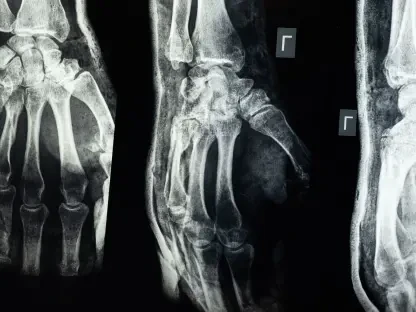
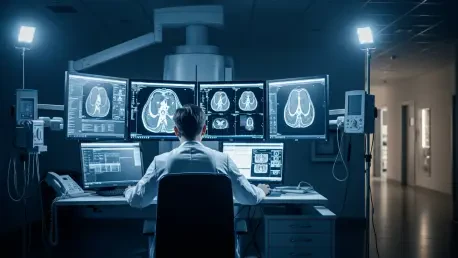
Modern radiologic technologists must navigate a sophisticated landscape defined by rapid advancements in imaging modalities such as high-resolution CT, MRI, and digital radiography. Achieving expertise in this domain requires a comprehensive understanding of the physics of radiation, the nuances of cross-sectional anatomy, and the strict implementation of safety protocols designed to protect both the patient and the operator. The ability to evaluate medical images in real-time is a critical skill that demands sharp analytical thinking and an eye for detail that can distinguish between a successful scan and one that requires immediate adjustment. This scientific foundation ensures that the diagnostic data provided to physicians is of the highest quality, facilitating accurate diagnoses and timely interventions. For the 2026 cohort, this technical fluency is the baseline, representing years of dedicated study and practical application in specialized labs. These experts are expected to manage complex machinery while maintaining the highest level of accuracy under pressure.
While the technical aspects of the role are indispensable, the next generation of experts is equally defined by a capacity for genuine human connection and emotional intelligence. Patients undergoing radiologic procedures are often experiencing some of the most stressful and vulnerable moments of their lives, requiring the technologist to serve as a steady source of reassurance. Providing care with a “kind eye and an encouraging head” transforms a routine procedure into a compassionate medical encounter. This duality of the “head and the heart” is essential because the quality of a diagnostic image often depends on the patient’s ability to remain calm and cooperative, which is directly influenced by the technologist’s communication skills. Consequently, the modern professional is no longer viewed as a mere equipment operator but as a critical caregiver who manages the intersection of advanced machinery and delicate human experience with equal proficiency. Their success is measured by their ability to provide comfort while executing highly technical tasks.
Rigorous Training Standards and Market Demand
The path to professional certification in radiologic technology is characterized by an intensity that rivals many advanced medical degrees, requiring 22 months of exhaustive study. A defining feature of this preparation is the requirement for 1,800 clinical hours, a benchmark that ensures students are exposed to a vast array of clinical scenarios, from routine screenings to emergency department protocols. This massive investment in hands-on training is a primary reason why top-tier programs boast exceptional outcomes, such as 94% first-time pass rates on national credentialing examinations. This level of rigor is designed to build the stamina and resilience necessary to thrive in the fast-paced healthcare environment of 2026. By the time these graduates enter the workforce, they have already proven their ability to handle the technical and psychological demands of the profession, making them ready to contribute immediately to their respective medical teams. The completion of these hours signifies a readiness that is respected across the entire medical industry.
Beyond individual academic success, the emergence of these highly trained professionals addresses a critical deficit within the broader healthcare infrastructure. Hospitals and specialized imaging centers across the region are currently facing significant staffing challenges, which can lead to longer wait times for patients and increased stress for existing medical personnel. The infusion of new, qualified technologists into the labor market is essential for maintaining the stability and efficiency of diagnostic services. By aligning educational curriculums with the immediate needs of the local economy, institutions are effectively bridging the gap between student preparation and professional demand. These graduates provide the necessary clarity in diagnostic settings, acting as the vital link between patients and their healthcare providers. Their presence in the workforce ensures that communities continue to have access to life-saving imaging technologies delivered by experts who understand the local demographics. This integration is vital for the continued health of the regional medical system.
Ethical Commitment and the Future of Imaging
Entering the professional world of medical imaging involves a solemn commitment to a strict ethical framework that prioritizes patient safety and diagnostic integrity. The Radiology Code of Ethics serves as the moral compass for these new experts, guiding their actions in everything from radiation protection to the handling of sensitive patient data. This commitment to ethics is what builds the public’s trust in the medical imaging community, ensuring that every technologist acts as a steadfast advocate for the individuals under their care. The pinning ceremony acts as a symbolic gateway, marking the moment when the student takes on the full weight of these professional responsibilities. It is a transition into a lifelong journey of accountability where the technologist must remain current with evolving regulations and technological standards. This ethical foundation is not just a set of rules but a defining characteristic of their professional identity that will influence every clinical decision they make throughout their careers.
The landscape of radiologic technology is in a state of constant evolution, necessitating a commitment to lifelong learning and proactive professional advocacy. The experts of 2026 understand that their initial certification is only the beginning of a career that will require them to adapt to new artificial intelligence integrations, advanced contrast agents, and shifting healthcare policies. They are encouraged to pursue specialized certifications in areas like mammography, interventional radiology, or nuclear medicine to further expand their impact on patient care. This drive for growth is paired with a responsibility to advocate for the profession itself, ensuring that the role of the radiologic technologist is recognized as a cornerstone of modern medicine. By staying engaged with professional organizations and continuing education, these experts ensure that they remain at the forefront of the field, ready to embrace the “beauty of possibilities” that an ever-changing technological landscape offers to those prepared to meet it.
Future Professional Development and Strategic Outcomes
The pinning ceremony successfully established a high bar for the next generation of healthcare professionals by emphasizing the necessity of both technical mastery and human kindness. The graduates demonstrated that the path to becoming an expert required a synthesis of 1,800 clinical hours and a deep-seated commitment to the Radiology Code of Ethics. This transition proved that the integration of rigorous academic standards with hands-on experience was the most effective method for preparing technologists to face the urgent demands of the current medical workforce. Moving forward, the focus shifted toward maintaining this level of excellence through continuous professional development and the adoption of emerging imaging technologies. The industry recognized that the true measure of these experts was found in their ability to bring clarity to diagnostic procedures while advocating for patient safety. These steps ensured that the medical community remained robust, resilient, and fully equipped to provide high-quality care.
To ensure long-term success, healthcare organizations prioritized the creation of mentorship programs that paired seasoned veterans with the 2026 graduates. This approach allowed for the seamless transfer of institutional knowledge while fostering an environment of mutual respect and ongoing education. Institutions also focused on expanding access to specialized training in emerging fields like artificial intelligence-enhanced diagnostic imaging. By providing these pathways for advancement, the medical community successfully retained top talent and maintained high standards of diagnostic accuracy. The legacy of the 2026 cohort became a blueprint for future vocational training, highlighting that the most effective healthcare professionals were those who balanced scientific expertise with an unwavering dedication to the human element of medicine. These strategic actions solidified the role of the radiologic technologist as an indispensable asset in the pursuit of better patient outcomes and a more efficient healthcare delivery system for the community.