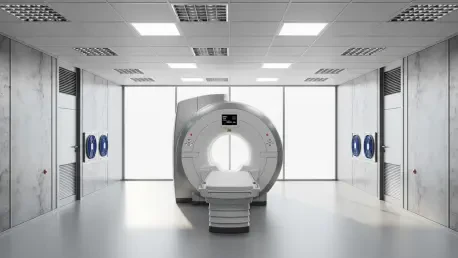

The landscape of medical diagnostics across West Africa is undergoing a profound transformation as the 37 Military Hospital in Accra introduces the first helium-free MRI system to the region. This technological leap, achieved through a strategic partnership between HealthTech Ghana Limited and the Ministry of Defense, marks a departure from traditional imaging methods that rely heavily on finite natural resources. By eliminating the need for liquid helium, which is often subject to global supply chain disruptions and significant price volatility, the facility ensures a more stable and reliable diagnostic environment for thousands of patients. This advancement not only enhances the hospital’s capacity to handle complex cases but also positions Ghana as a leader in sustainable healthcare innovation. The introduction of this center represents a critical response to the growing demand for high-quality medical imaging that can support timely interventions for trauma, oncology, and neurology. This shift addresses logistical barriers.
1. Technological Innovation: Sustainable Healthcare Delivery
Transitioning from traditional magnetic resonance imaging to advanced helium-free systems signifies a major milestone for Ghana’s healthcare infrastructure. For years, medical facilities struggled with the logistical nightmare of importing liquid helium, a substance that requires specialized handling and constant replenishment to keep superconducting magnets cool. The arrival of this new technology at the 37 Military Hospital effectively bypasses these constraints, utilizing a sealed cooling system that requires only a negligible amount of helium, which never needs to be refilled. This innovation ensures that the diagnostic center remains operational even during global shortages, providing a level of reliability previously unseen in the local medical sector. By stabilizing the availability of imaging services, the hospital can now maintain a consistent schedule for routine check-ups and emergency procedures alike, ultimately reducing the wait times that have historically plagued public health institutions in the region.
The partnership between the Ministry of Defense and private entities like HealthTech Ghana Limited serves as a successful blueprint for future infrastructure projects across the continent. This collaborative effort demonstrates how public-sector needs can be met with private-sector efficiency and technological prowess. By situating the diagnostic center within a military hospital, the government ensures that both service members and the general public have access to state-of-the-art diagnostic tools. This dual-use strategy maximizes the impact of the investment, fostering a healthcare environment where diverse patient populations benefit from centralized expertise. Furthermore, the integration of such high-end technology requires specialized training for local technicians and radiologists, thereby elevating the overall professional standard within the country. As these experts gain experience with helium-free systems, they become pivotal in disseminating knowledge and best practices to other medical facilities.
2. Access Protocols: Navigating the Patient Journey
Accessing the benefits of this new diagnostic center involves a clear and structured process designed to manage the influx of patients seeking advanced imaging. To take advantage of the current promotional offer and ensure a smooth experience, individuals must follow specific administrative guidelines provided by the facility. First, interested persons must sign up as a patient at the 37 Military Hospital to establish their medical record within the system. Following registration, the second step requires seeing a physician to get an MRI referral form, ensuring that the scan is medically necessary. Third, patients must turn in their completed paperwork at the new diagnostic center to initiate the scheduling process. The fourth step involves booking a visit for a date between June 8 and June 20, 2026, which coincides with the free scan period. Finally, patients are required to settle the required fee and carry out the remaining protocols to finalize their appointment and complete the procedure efficiently.
The implementation of this advanced imaging technology provided a clear roadmap for how specialized medical services could be modernized across the region. Healthcare administrators ensured that the facility remained open 24/7 to address urgent needs like trauma or stroke screenings. While the imaging itself was offered for free during the promotional period, patients were required to cover a small fee for specialized reporting to maintain diagnostic accuracy. Medical professionals recommended that patients engage actively with the new referral systems to maximize the utility of these high-tech resources. The successful operation of the helium-free MRI center demonstrated that strategic public-private partnerships were capable of delivering high-quality care. By adopting these actionable strategies, the facility moved beyond traditional limitations and established a resilient framework for excellence. This shift ensured that the latest medical innovations remained accessible to the broader population.