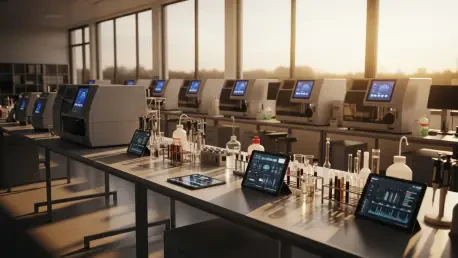

The inherent fragility of modern healthcare infrastructure becomes tragically apparent when sophisticated diagnostic equipment sits dormant in hospital wards while thousands of vulnerable patients await results that could mean the difference between life and death. In the city of Santiago de Cuba, a significant breakthrough has recently occurred through the intervention of the Swiss non-governmental organization Camaquito, which successfully mobilized approximately $17,000 to reactivate two essential blood gas analyzers. These high-precision instruments are fundamental for managing patients with acute respiratory distress, severe infections, and metabolic imbalances, yet they had remained non-functional for an extended period. The initiative highlights a recurring challenge in international aid where high-tech donations from developed nations, such as the initial contribution of these machines by the Embassy of Japan, eventually stall because the local system cannot sustain the specialized supplies required for their daily operation. By securing a comprehensive one-year inventory of necessary consumables, the project effectively restores a vital diagnostic lifeline for a population exceeding 13,700 individuals, including neonates and patients in intensive care units who require constant monitoring.
Bridging the Gap Between Technology and Utility
The restoration of these analyzers at the Juan Bruno Zayas Clinical Surgical Hospital and the Dr. Juan de la Cruz Martínez Maceira North Pediatric Hospital serves as a poignant case study in the complexities of medical logistics within a constrained economy. While the original donation of the hardware represented a significant technological leap for these facilities, the subsequent lack of reagents and specialized sensors rendered the equipment into little more than expensive furniture. This paradox of having the machinery but lacking the means to use it is a systemic hurdle that often goes unaddressed in short-term humanitarian cycles. By specifically targeting the supply chain for consumables rather than just providing hardware, the recent funding ensures that medical staff can actually utilize their training to provide accurate, real-time data for critical interventions. The impact is particularly profound in neonatal care, where precise blood gas measurements are non-negotiable for the survival of premature infants experiencing respiratory failure. Without these data points, physicians are forced to rely on clinical observation alone, which is significantly less reliable in high-stakes environments where every minute and every micro-adjustment in oxygenation counts.
This localized success occurs against a backdrop of severe physical infrastructure challenges that threaten the stability of the entire regional healthcare network. Recent accounts from the affected hospitals have described a environment where clinicians must battle not only disease but also the decay of the buildings themselves, with reports indicating sewage leaks in patient areas and unpredictable power fluctuations. When intensive care units face sudden outages, the existence of functional, battery-backed or stabilized diagnostic tools becomes even more critical for maintaining patient safety during emergency evacuations or transitions to manual support. The intervention by the Swiss NGO does not merely provide chemicals for a machine; it offers a buffer against the mounting operational hazards that define daily life in these medical centers. By ensuring that the blood gas analyzers remain operational throughout 2026 and into 2027, the project provides a temporary but essential stabilization of diagnostic capacity. This allows the medical teams to focus on patient outcomes rather than the constant frustration of equipment failure, effectively creating a small pocket of functional modern medicine within a system that is otherwise struggling to maintain basic sanitation and electrical reliability.
Systemic Realities and the Humanitarian Response
The healthcare landscape in which these hospitals operate has reached a point of unprecedented strain, characterized by a staggering lack of essential medications and a decline in public health indicators. Statistical data from recent periods indicates that the availability of basic pharmaceutical products has plummeted, with only 30% of necessary medicines currently accessible to the general population. This shortage extends from simple analgesics to complex antibiotics and life-saving hormonal treatments, forcing families to seek alternatives through informal markets or international donations. The doubling of infant mortality rates over the last decade serves as a grim barometer for the overall health of the nation, reflecting the cumulative impact of nutritional deficits, aging equipment, and the exodus of trained medical personnel. In this environment, the role of international organizations has shifted from providing supplementary support to becoming the primary source of operational continuity for specialized services. The ability to perform a blood gas analysis is no longer a routine procedure but a rare luxury made possible only through the persistent navigation of international procurement and shipping hurdles by outside entities.
Navigating the bureaucratic and logistical minefield of delivering medical supplies to the island requires a nuanced, non-political approach that prioritizes human life above ideological concerns. Mark Kuster, the founder of Camaquito, has maintained this focus for over twenty-five years, emphasizing that the preservation of health services for vulnerable families must remain a universal priority regardless of the surrounding political climate. The NGO has managed to raise millions of euros by focusing on transparent, project-based interventions that show immediate and measurable results, such as the number of patients treated or the successful repair of a specific ward. This model of targeted aid is increasingly seen as the most effective way to prevent the total collapse of specialized medical departments that the state can no longer afford to maintain. By acting as a bridge between international donors and local practitioners, these organizations bypass the inefficiencies of centralized distribution, ensuring that the reagents reach the specific labs where they are most needed. The ongoing crisis, marked by fuel shortages and daily power outages lasting up to twenty hours, necessitates a decentralized and agile response that traditional government-to-government aid often fails to provide.
Strategic Directions for Sustainable Medical Aid
The successful revitalization of diagnostic capabilities in Santiago de Cuba demonstrated that the most effective humanitarian interventions were those that prioritized operational longevity over the initial acquisition of hardware. International observers recognized that future aid strategies must shift toward a model of “total cost of ownership,” where donors commit to multi-year supply chains for consumables and maintenance rather than one-time equipment transfers. This approach addressed the fundamental flaw in historical cooperation efforts, where advanced technology frequently became obsolete within months due to the absence of a single proprietary component or reagent. To prevent the recurrence of such failures, new frameworks encouraged the establishment of regional hubs for medical supplies, which helped mitigate the logistical delays caused by global shipping disruptions and local bureaucratic hurdles. Stakeholders began to focus on the procurement of open-source or universal diagnostic platforms that could utilize a wider range of generic consumables, thereby reducing the dependency on specialized, manufacturer-specific supplies that were often difficult to import.
Beyond the immediate provision of materials, the focus moved toward reinforcing the local technical expertise required to maintain and repair existing infrastructure in high-stress environments. Training programs were integrated into aid packages, empowering local biomedical engineers to perform complex repairs using 3D-printed parts or salvaged components when original spares were unavailable. This shift fostered a culture of resilience and self-sufficiency, ensuring that critical machines remained online even when international supply lines faced temporary interruptions. Furthermore, the integration of solar power backups for essential diagnostic tools became a standard requirement for new projects, shielding life-saving equipment from the instability of the national power grid. These forward-looking measures transformed the nature of international cooperation from simple charity into a strategic partnership aimed at building a robust, albeit decentralized, medical safety net. By prioritizing the continuous functionality of existing assets, humanitarian organizations ensured that the most at-risk patients continued to receive high-quality care despite the broader economic challenges facing the healthcare system.