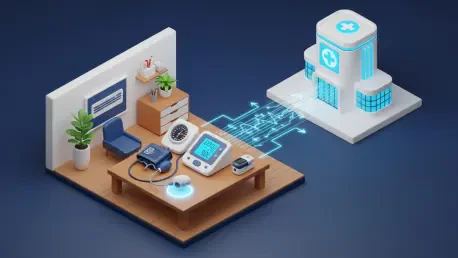

The global healthcare landscape is currently undergoing a profound metamorphosis as the focus shifts from reactive hospital stays to proactive, data-driven home management protocols. At the very center of this evolution is the remote patient monitoring sector, which is projected to reach an impressive valuation of $117.9 billion by 2033. Beginning with a robust baseline of $67.3 billion in 2026, the market is sustaining a compound annual growth rate of 8.3 percent, driven by a universal mandate to improve clinical outcomes while simultaneously reducing the financial burden on global health systems. This digital transition utilizes sophisticated tools to gather health metrics from patients in real-time, transmitting this data securely to providers regardless of their physical location. By bypassing the need for frequent in-person consultations, medical professionals can now deliver timely interventions that prevent acute episodes, ensuring that healthcare remains both accessible and efficient for populations that were previously difficult to reach or monitor effectively.
Primary Drivers: Clinical and Demographic Shifts
Chronic Disease Management: A Clinical Necessity
The persistent rise in chronic conditions such as heart disease, diabetes, and hypertension serves as one of the most significant catalysts for the adoption of remote monitoring solutions. These long-term illnesses require meticulous, daily management to avoid life-threatening complications and the subsequent high costs associated with emergency room visits or prolonged hospitalizations. Remote systems facilitate the continuous observation of vital signs, such as blood pressure and heart rate, allowing clinicians to receive instant notifications if a patient’s metrics deviate from established safety thresholds. This capability has transformed the way chronic diseases are treated, moving the needle from episodic care to a continuous, supportive environment. Patients no longer feel isolated between appointments; instead, they are connected to a digital safety net that monitors their physiological status around the clock, drastically reducing the likelihood of undetected health crises.
Beyond immediate physiological tracking, remote patient monitoring empowers individuals to take an active role in their own health journeys through increased visibility of their health data. When patients can see how their lifestyle choices, medication adherence, and dietary habits directly influence their daily readings, they are often more motivated to follow prescribed treatment plans. This behavioral shift is a crucial component in managing chronic illness, as it leads to better long-term compliance and fewer avoidable readmissions. Furthermore, the integration of these systems into primary care allows doctors to prioritize their patient lists, focusing intensive resources on those whose data indicates an urgent need for intervention. This optimization of clinical workflows ensures that no patient falls through the cracks, even in systems that are currently facing a shortage of qualified medical staff. The data collected provides a comprehensive historical record that enhances diagnostic accuracy.
Demographic Transitions: Supporting the Aging Population
The global demographic shift toward an aging population presents a unique set of challenges that traditional hospital-based models are increasingly unable to meet effectively. Older adults frequently manage multiple co-morbidities and may suffer from limited mobility or cognitive decline, making the journey to a physician’s office a significant physical and logistical hurdle. Remote monitoring technology addresses these barriers by bringing the clinic into the comfort and safety of the patient’s own living environment, thereby improving quality of life and preserving independence. By utilizing user-friendly devices that require minimal technical knowledge, the elderly can maintain constant communication with their care teams without the stress of travel. This approach not only enhances the patient experience but also allows family caregivers to have greater peace of mind, knowing that professional medical oversight is being provided remotely through a reliable and secure digital platform.
Healthcare payers and providers are also navigating a transition toward value-based care, a model that compensates medical institutions based on patient outcomes rather than the volume of services. In this fiscal environment, the implementation of remote monitoring has become a strategic necessity for maintaining profitability while delivering high-quality care to various populations. By preventing hospital readmissions and reducing the duration of acute stays, remote monitoring aligns perfectly with the financial incentives of modern insurance and government reimbursement programs. This economic alignment is driving large-scale institutional investments into the infrastructure required to support remote care at scale. As healthcare organizations seek to differentiate themselves in a competitive market, those who successfully leverage these technologies are finding they can provide a superior level of service. The transition to remote care is thus viewed not just as a medical upgrade, but as a redesign of the business model.
Technological Innovation: Connectivity and Intelligence
Wearable Medical Devices: From Gadgets to Clinical Instruments
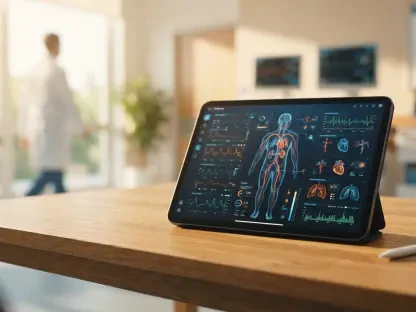
Wearable technology has evolved from simple fitness trackers into sophisticated medical-grade instruments that represent the most significant product segment within the monitoring market. Modern smartwatches, specialized ECG patches, and pulse oximeters are now capable of delivering clinical-quality data that was once only obtainable through expensive, stationary equipment in a hospital setting. These devices are designed to be worn comfortably for extended periods, providing a continuous stream of information that captures fluctuations in health throughout the day and night. For instance, an ECG patch can detect irregular heart rhythms during a patient’s normal daily activities, catching issues that might be missed during a standard ten-minute office examination. This level of granular detail allows for a much more accurate assessment of a patient’s condition, enabling physicians to tailor treatments to the specific physiological patterns of the individual rather than relying on generalized averages.
Continuous glucose monitors have specifically revolutionized the management of diabetes by eliminating the need for frequent finger-prick testing and providing real-time blood sugar trends. These sensors, often connected to a smartphone application, alert both the patient and their physician to impending highs or lows before they reach dangerous levels, allowing for immediate corrective action. The shift toward non-intrusive, aesthetically pleasing designs has significantly increased patient adherence, as these devices no longer carry the social stigma of traditional medical hardware. As battery life improves and sensor accuracy increases, these wearables are becoming the primary interface through which patients interact with the healthcare system. The proliferation of these tools is creating a massive influx of objective health data, which serves as the foundation for the next generation of digital health services. This seamless integration of technology into daily life is the hallmark of the modern monitoring era.
Strategic Integration: Overcoming Implementation Barriers
The sheer volume of health data generated by wearable devices would be overwhelming for human clinicians to process without the assistance of artificial intelligence and advanced cloud computing. AI algorithms are now being utilized to scan millions of data points across thousands of patients to identify subtle patterns and early warning signs that precede major medical events. By implementing machine learning models, healthcare systems can transition from a reactive posture to a predictive one, intervening days or even weeks before a patient requires emergency care. This proactive approach is particularly effective in identifying early signs of congestive heart failure or respiratory distress, where timely medication adjustments can prevent a crisis. The ability of AI to filter out noise and highlight only the most critical information ensures that doctors are not burdened by alarm fatigue, allowing them to focus their expertise where it is most needed for clinical outcomes.
The industry recognized that the transition to a hospital-at-home model required more than advanced hardware; it demanded a complete cultural shift within medical practice. Leading healthcare organizations successfully formed strategic partnerships with technology giants to create seamless, end-to-end platforms that integrated diagnostic tools with electronic health records. These collaborations prioritized the user experience, ensuring that both patients and clinicians found the technology intuitive and helpful rather than a burden. As these systems matured, providers implemented rigorous training programs that prepared the workforce for a future where digital data was the primary tool for clinical decision-making. To sustain this momentum, stakeholders focused on finalizing international standards for data interoperability and expanding reimbursement coverage to include a wider range of services. Organizations that adopted these strategies early were better positioned to manage the demands of the modern population.