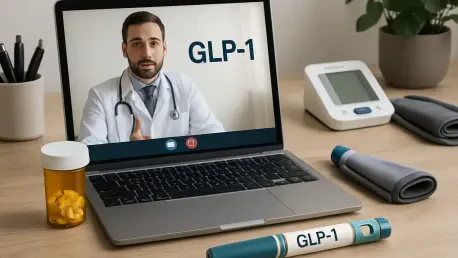

The digital transformation of weight management has accelerated at a pace that frequently outstrips the ability of traditional regulatory frameworks to maintain rigorous safety standards for patients. This shift from physical clinics to sleek smartphone applications has democratized access to revolutionary GLP-1 receptor agonists, such as semaglutide and tirzepatide, turning what was once a complex clinical intervention into a few taps on a screen. While the convenience of these platforms addresses a significant public health demand for obesity treatment, it simultaneously introduces a structural disconnect between the prescribing clinician and the individual. Without the direct oversight inherent in a face-to-face medical encounter, the nuances of patient history, metabolic status, and potential contraindications are often compressed into standardized digital forms. This streamlined process, while efficient for the consumer, raises fundamental concerns about whether the speed of delivery is being prioritized over long-term safety.
The Dangers: Accelerated Clinical Onboarding
The velocity at which telehealth platforms move a person from their initial inquiry to the delivery of a first injection creates a significant margin for clinical error. Many of these services utilize asynchronous communication methods where a doctor reviews a questionnaire rather than conducting a real-time interview, leading to a superficial understanding of the patient’s unique health profile. This lack of a physical examination means that vital signs, such as baseline blood pressure or heart rate, are often self-reported or entirely ignored, despite the known cardiovascular effects of these medications. When the onboarding process is optimized for conversion rates rather than clinical scrutiny, the risk of overlooking pre-existing conditions like pancreatitis or specific endocrine disorders increases dramatically. This “check-the-box” approach to medicine prioritizes the transaction, potentially placing vulnerable individuals on a pharmacological path that their physical state cannot safely support.
Once a prescription is issued, the burden of administration shifts entirely to the patient, who must often navigate complex titration schedules without the immediate support of a nursing team. Traditional clinical settings provide hands-on training for self-injections, but digital platforms frequently rely on generic video tutorials that may not address the specific anxieties or technical mistakes of a first-time user. Consequently, reports of dosing errors have surged, with patients inadvertently taking significantly higher amounts than prescribed, resulting in severe gastrointestinal distress and hospitalizations for dehydration. These instances of “therapeutic accidents” highlight a critical flaw in the remote delivery model: the absence of a safety net for those who experience adverse reactions in the privacy of their homes. Without a dedicated practitioner to monitor early side effects and adjust dosages in real time, the promise of easy weight loss can quickly transform into an emergency event.
Compounded Drugs: The Subscription Business Model
To navigate the persistent supply shortages of brand-name GLP-1 medications, many telehealth providers have increasingly turned to compounded formulations of semaglutide and tirzepatide. These custom-mixed drugs are created in specialized pharmacies that, while regulated, do not face the same rigorous level of scrutiny as the manufacturing facilities of major pharmaceutical companies. This regulatory gap creates a landscape where the purity, potency, and sterility of the medication can vary significantly between batches, leading to unpredictable physiological responses in patients. Furthermore, some platforms market these alternatives as being identical to their FDA-approved counterparts, which can be misleading to consumers who assume they are receiving a drug that has undergone the same decade-long clinical trial process. The reliance on these “copycat” versions introduces a level of chemical uncertainty into the patient’s regimen, as the presence of unauthorized salt forms or incorrect pH levels can lead to complications.
The financial structure of many modern digital health companies further complicates the patient-provider relationship by tying revenue directly to a recurring subscription model. When a business is incentivized to maintain a high volume of active monthly memberships, the clinical decision to discontinue a medication for safety reasons may run counter to the organization’s bottom-line objectives. This creates a potential conflict of interest where the healthcare provider, often an independent contractor for the platform, might feel pressured to keep prescriptions active even when a patient plateaus or experiences persistent side effects. Unlike a traditional primary care physician who may suggest lifestyle changes or alternative therapies when a drug is no longer effective, a subscription-based service is built on the continuity of the medication itself. This systemic bias toward long-term dependence can lead to the over-medicalization of weight management, where the goal of recovery is replaced by monthly billing.
Navigating Regulatory Intervention: Social Media Pressure
The unprecedented demand for GLP-1 therapies is inextricably linked to the aggressive marketing strategies employed across social media platforms, where influencers often showcase dramatic weight loss results without discussing the medical risks. This cultural phenomenon has created a “pull” effect in the market, where individuals approach telehealth providers with a preconceived demand for a specific drug, often for aesthetic goals rather than clinical obesity. This consumer-driven pressure shifts the role of the medical professional from an objective gatekeeper to a service provider fulfilling a request, which can compromise the integrity of the prescribing process. When patients view these medications as lifestyle tools rather than potent metabolic regulators, they are less likely to adhere to necessary lifestyle modifications or report serious symptoms. The normalization of these drugs in non-clinical contexts fosters a casual attitude toward treatment that ignores the serious, life-altering nature of altering one’s metabolism.
In response to the proliferation of misleading claims and the rise of unauthorized compounded versions, federal regulators have intensified their oversight of the digital weight loss sector. Recent enforcement actions have included warning letters to companies that fail to provide adequate risk information in their advertisements or those that make unsubstantiated claims about the efficacy of generic alternatives. This shift toward a more restrictive regulatory environment indicates that the “Wild West” era of unregulated digital health is coming to a necessary close. Regulators are now emphasizing the importance of transparency in drug sourcing and the requirement for platforms to provide clear, accessible channels for reporting adverse events. By holding these companies accountable for the accuracy of their marketing and the safety of their supply chains, the government is attempting to re-establish a baseline of clinical protection for the public and ensure that technological benefits do not come at the cost of ethics.
Future Considerations: Transitioning Toward Integrated Care Models
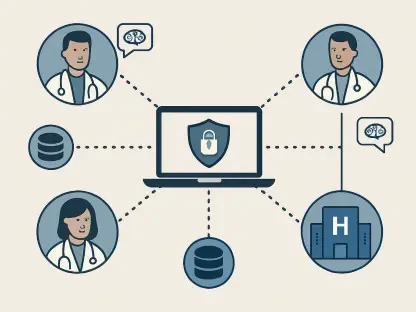
As the initial surge of GLP-1 telehealth adoption stabilized, the medical community began to advocate for a more integrated approach that prioritized comprehensive metabolic health over simple prescription volume. Progressive organizations moved away from the isolated delivery of injections and started incorporating mandatory virtual check-ins with registered dietitians and behavior change specialists. This hybrid model ensured that patients received the necessary education to manage their treatments safely while addressing the underlying lifestyle factors that contributed to their metabolic conditions. Furthermore, the implementation of more rigorous data-sharing protocols between telehealth platforms and primary care physicians allowed for a more holistic view of the patient’s health trajectory. These steps demonstrated that digital healthcare could evolve from a transactional marketplace into a sophisticated clinical tool that balanced accessibility with stringent safety benchmarks for all users.
In addition to clinical oversight, the industry recognized that the successful management of obesity required a shift in consumer expectations toward a more conservative and safety-first mindset. Medical societies collaborated with technology developers to create advanced software that tracked patient progress using biometric data from wearable devices, allowing for the early detection of potentially harmful physiological trends. This proactive surveillance system enabled clinicians to intervene well before side effects escalated into medical emergencies, thereby preserving the efficacy of the GLP-1 medications without sacrificing patient safety. The establishment of these gold-standard practices meant that the convenience of digital access no longer had to compete with the necessity of high-quality medical care. These advancements ultimately redefined the role of telehealth in the broader healthcare ecosystem, proving that remote monitoring could be effective when supported by proper ethics.