
The inclusion of a bicep band option allows cyclists and weightlifters to achieve more precise heart rate tracking than standard wrist-based sensors typically provide. This specific design choice underscores a broader shift in wearable technology toward functional utility over visual flair. In an era where digital distraction has become a primary concern for many, the Garmin Cirqa arrives as a dedicated physiological monitor that intentionally lacks a display. By stripping away the screen, the device eliminates the constant barrage of notifications and the temptation to check one’s wrist every few minutes. Instead, it directs all its energy toward capturing high-fidelity data that feeds directly into the comprehensive Garmin Connect ecosystem. This strategy targets a growing demographic of fitness enthusiasts who prioritize recovery metrics and long-term health trends over the immediate gratification of a smartwatch interface. It serves as a bridge for those who want professional-grade insights without the bulk.
Minimalist Construction: Form Follows Function
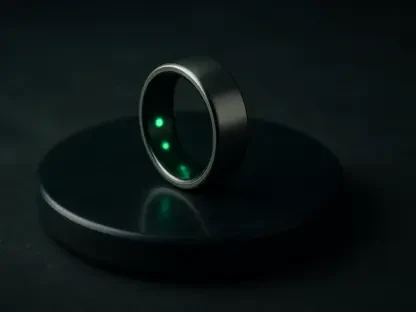
The physical profile of the Cirqa is defined by its unobtrusive nature, utilizing a compact sensor unit that rests comfortably against the skin within a soft, woven nylon band. This material choice is not merely aesthetic; it provides the necessary breathability for 24/7 wear, which is essential for accurate sleep tracking and continuous heart rate variability monitoring. Available in two distinct sizes and a range of seven colors, the device adapts to various personal styles while maintaining a low profile that fits easily under dress shirts or athletic gear. A textured physical button provides a tactile interaction point, allowing users to start or stop activities manually without needing to look at a screen or navigate complex menus. This reliance on physical feedback reflects a sophisticated understanding of ergonomics, ensuring that the device remains functional even during high-intensity training where touchscreens often fail. The integration of a reliable Velcro fastening system further enhances this utility for athletes.
Beyond the immediate comfort of the nylon strap, the internal engineering of the Cirqa emphasizes longevity and ease of maintenance in a busy lifestyle. The device offers a ten-day battery life, a significant advantage over many full-featured smartwatches that require daily charging cycles. This extended duration ensures that data gaps are minimized, particularly during critical recovery periods or overnight sleep cycles where other devices might be sitting on a charger. Interestingly, Garmin opted to retain its standard charging cable for this model, which simplifies the transition for existing users who are already invested in the brand’s hardware ecosystem. By maintaining this consistency, the company reduces the friction of adopting a new form factor. The sensor itself is robust enough to handle the rigors of various environments, from humid gym settings to outdoor trails, provided the user utilizes the connected GPS via a paired smartphone for location data. This hardware stability creates a reliable foundation.
Comprehensive Analytics: Health Insights Beyond the Screen
At the heart of the Cirqa’s value proposition is the sophisticated suite of sensors that monitor heart rate, stress levels, skin temperature, and blood oxygen saturation. While it employs a Gen4 optical sensor rather than the very latest hardware revisions, the software optimization within the Garmin Connect app compensates for this by providing deep contextual analysis. The standout Health Status metric is particularly valuable, as it establishes a personal baseline over several weeks to detect subtle deviations in physiological state. This allows the system to warn users about potential overtraining or oncoming illness before symptoms become physically apparent. Such proactive health management is a hallmark of modern wearable tech from 2026 to 2028, focusing on prevention rather than just recording. The app’s Essentials tab provides a clear, high-level overview of caloric expenditure and recovery status, making the data accessible without being overwhelming. Users can customize this view to focus only on the metrics that matter.
The decision to integrate the Cirqa into a fitness regimen depended largely on a user’s specific need for focus and data integrity. For individuals who sought to reduce their screen time while maintaining access to elite-level physiological metrics, this device offered a clear path forward. It was recommended that prospective users evaluate their current reliance on wrist-based notifications before making the switch, as the absence of a display required a shift in how one interacted with their health data. Those who prioritized the Garmin Connect ecosystem found that the Cirqa functioned as a perfect secondary device or a primary tracker for minimalist enthusiasts. The industry moved toward these specialized, screenless solutions as a way to combat digital fatigue while still providing the granular data necessary for high-level performance. Future considerations for users involved assessing whether the tactile button and bicep band compatibility outweighed the convenience of a display. Ultimately, the Cirqa stood as a focused tool.